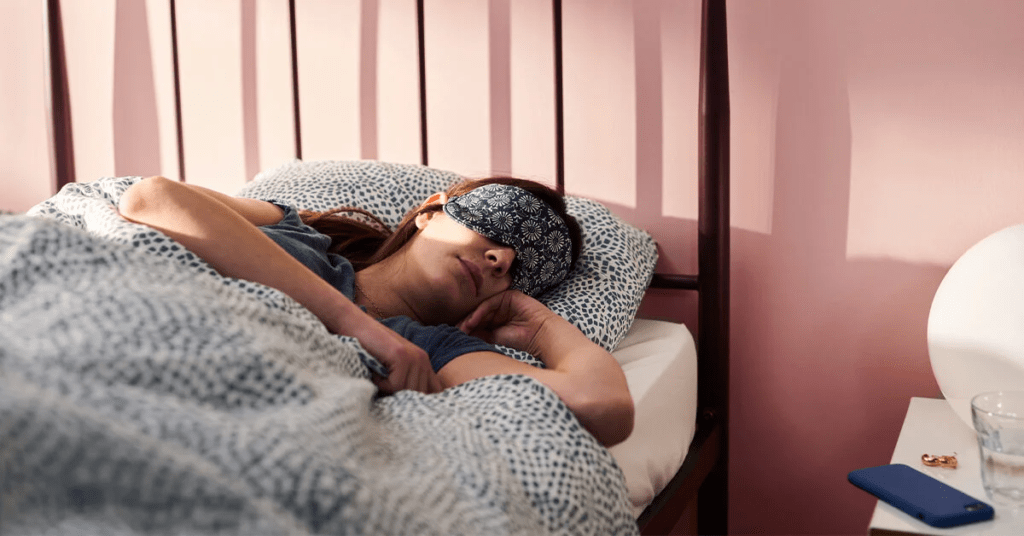
We’ve all heard the phrase “get your beauty sleep,” but for women, good sleep goes way beyond just looking refreshed. It’s a powerful regulator of hormones—those chemical messengers that control everything from your mood and metabolism to your menstrual cycle and fertility. Yet, so many women push sleep to the back burner in the rush of busy schedules, late-night scrolling, or multitasking between work and home.
If you’ve been feeling off lately—moody, tired, bloated, or just not yourself—it may be time to look at your sleep routine a little more seriously. Let’s explore why a good night’s rest is essential for hormonal balance and how small changes in your bedtime habits can make a huge difference in your overall well-being.
The Hormone-Sleep Connection: What’s Really Going On?
Sleep isn’t just “rest time” for the body. It’s a highly active process where your brain, glands, and organs sync up and reset. For women, this time is especially critical because it affects the production and regulation of key hormones like:
- Cortisol – the stress hormone that can spike if you’re sleep-deprived, leading to anxiety and weight gain.
- Melatonin – produced in the dark, it regulates your sleep-wake cycle and also supports reproductive hormones.
- Estrogen and Progesterone – the primary female hormones that regulate periods, pregnancy, and menopause. These are directly impacted by your circadian rhythm (your body’s internal clock).
- Leptin and Ghrelin – hunger hormones that get thrown off when you’re sleep-deprived, leading to overeating and cravings.
When these hormones are out of balance, it can manifest in symptoms like irregular periods, mood swings, acne, low libido, or even PCOS (polycystic ovarian syndrome) symptoms getting worse.
Why Women Are More Affected by Poor Sleep
Studies have shown that women are more likely than men to suffer from insomnia and sleep disturbances. Hormonal shifts during menstruation, pregnancy, perimenopause, and menopause play a big role. Add to this the mental load that many women carry—juggling responsibilities, caregiving, emotional labor—and it’s easy to see why women’s sleep cycles are more vulnerable.
Even something as simple as your period can disrupt your ability to fall or stay asleep due to cramps, bloating, or night sweats. And during perimenopause, fluctuating estrogen levels can lead to hot flashes and disturbed sleep. In short, your sleep isn’t just about being tired—it’s part of your body’s hormonal ecosystem.
Signs Your Sleep Routine Might Be Harming Your Hormones
You may not even realize your hormones are out of balance until your body starts sending signals. Some common signs include:
- Feeling tired all day, even after 7–8 hours of sleep
- PMS symptoms that feel worse than usual
- Irregular or painful periods
- Unexplained weight gain or difficulty losing weight
- Increased irritability, anxiety, or emotional ups and downs
- Frequent bloating or digestive issues
These signs could point to more than just lifestyle stress—they could be a red flag that your sleep (or lack of it) is disrupting your hormonal rhythm.
How to Reset Your Sleep Routine for Better Hormonal Health
The good news? You don’t need to overhaul your life to sleep better. A few thoughtful changes can help realign your sleep and hormonal health.
1. Stick to a Regular Sleep Schedule
Your body loves rhythm. Going to bed and waking up at the same time every day—even on weekends—helps stabilize your internal clock, which in turn regulates melatonin and cortisol production.
2. Create a Bedtime Wind-Down Ritual
Start slowing down at least 30 minutes before bed. Dim the lights, put away screens, and try something relaxing like:
- Reading a physical book
- Listening to calming music or a podcast
- Taking a warm shower or bath
- Journaling or practicing gratitude
This signals your brain that it’s time to prepare for sleep, not stress.
3. Watch Out for Screen Time
Blue light from phones and laptops blocks melatonin, the hormone that helps you fall asleep. Try to avoid screens at least one hour before bedtime. If that’s tough, consider blue light-blocking glasses or turning on “night mode” on your devices.
4. Cut Caffeine After 2 PM
Caffeine stays in your system for hours, and it can silently sabotage your ability to fall asleep. Switch to herbal teas or water in the afternoon and evening.
5. Balance Your Blood Sugar Before Bed
Fluctuations in blood sugar can wake you up at night. A light snack with protein and healthy fat—like a spoonful of almond butter or a boiled egg—can help maintain stability and promote deeper sleep.
6. Rethink Workouts and Stress Timing
While exercise is great for hormonal health, doing high-intensity workouts too close to bedtime can elevate cortisol. Try doing workouts in the morning or early evening. For late nights, opt for something restorative like stretching, walking, or gentle yoga.
Don’t Ignore Sleep—It’s a Hormonal Superpower
It’s tempting to see sleep as something optional—something that can be sacrificed for deadlines, parenting, or a little extra “me time” at night. But consistently poor sleep can push your hormones into chaos, leading to long-term issues like PCOS, fertility struggles, thyroid dysfunction, and even early menopause symptoms.
If you’ve been struggling to feel like yourself lately, checking in on your sleep habits is a gentle but powerful place to start. Just a week or two of better sleep hygiene can lead to noticeable improvements in mood, cycle regularity, energy, and emotional resilience.
And remember, if symptoms persist despite improving sleep, it’s worth getting a professional opinion. A women’s health expert like Dr. Sabia Mangat can help assess whether hormonal imbalances are the root cause and guide you through a personalized recovery plan.
Final Thoughts
Hormonal health is complex—but sleep is one of the simplest and most natural tools we have to support it. Don’t wait for burnout or a health scare to prioritize your rest. Your body, mind, and hormones are constantly working behind the scenes, and a stable sleep routine gives them the environment they need to thrive.
So tonight, instead of one more episode or another scroll through your feed, try slipping into bed 30 minutes earlier. Your hormones will thank you—and so will your future self.