In high-performance environments like industrial turbine operations, electrical reliability isn’t just important—it’s critical. Whether in power generation, oil and gas, or heavy manufacturing, turbines depend on robust control systems that must operate continuously under intense conditions. At the heart of this reliability lies a lesser-known but essential component: line module protection.
In General Electric (GE) turbine systems, line module protection plays a key role in safeguarding control components from electrical anomalies that could otherwise lead to catastrophic failure, downtime, or safety hazards.
What Is Line Module Protection?
Line module protection refers to the set of mechanisms—both hardware and logic—designed to monitor, manage, and protect the power distribution to sensitive electronic control modules. These line modules act as conduits, delivering power to various parts of the turbine’s control system.
Because turbines operate in electrically demanding environments, these power lines are vulnerable to:
- Voltage surges
- Transient spikes
- Ground faults
- Overcurrents
Without protection, these disturbances could damage critical components, corrupt data, or interrupt operations. Line module protection ensures that only stable, filtered, and safe power is delivered to the control system, shielding it from electrical noise and faults.
Importance in GE Turbine Systems
GE turbine systems, especially those built on the Mark series architecture (Mark V, Mark VI, etc.), are known for their advanced automation and fault-tolerant designs. These systems include programmable logic controllers (PLCs), input/output (I/O) modules, and signal processing boards, all of which require clean and reliable power.
A single power disturbance can have far-reaching effects:
- Triggering false alarms or system shutdowns
- Damaging high-value components
- Interrupting turbine operation and causing revenue loss
Line module protection is therefore not an optional feature—it’s a fundamental safeguard embedded in the system design to ensure operational continuity.
How Protection Modules Work
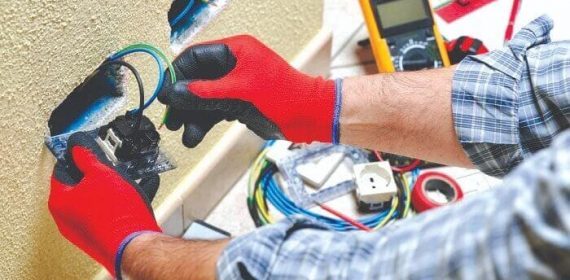
Protection modules within GE systems are typically circuit boards installed in the control cabinet. Their function is threefold:
1. Monitoring
They continuously monitor incoming power for signs of irregularity, such as voltage fluctuations or frequency drift.
2. Filtering and Conditioning
They filter electrical noise and stabilize input signals, ensuring clean delivery to downstream components.
3. Fault Isolation
If an anomaly is detected, the module isolates the fault to prevent it from cascading across the system. In many cases, this includes sending diagnostics to the control system for logging and alerting maintenance personnel.
By acting as the first line of defense, these modules prevent small issues from becoming costly failures.
Applications in the Turbine Industry
Line module protection is especially vital in gas and steam turbine systems, where operating conditions can be unpredictable and maintenance windows are tight.
Common use cases include:
- Power plants: Ensuring stable operations and reducing unplanned outages.
- Oil & gas facilities: Protecting turbines in offshore and onshore environments with fluctuating power conditions.
- Industrial cogeneration: Supporting simultaneous heat and power generation systems that rely on real-time performance.
In these scenarios, line module protection contributes to system uptime, safety compliance, and asset longevity.
Operational Benefits
GE’s integration of line module protection into its systems provides several key benefits:
- Improved reliability: Systems are less likely to experience unplanned downtime due to power anomalies.
- Reduced maintenance costs: Fewer component failures mean less frequent repairs and replacements.
- Enhanced safety: Protection against short circuits and power surges minimizes fire risk and operator exposure.
- Faster troubleshooting: Built-in diagnostic support simplifies fault detection and root cause analysis.
Conclusion
In the fast-paced, high-stakes world of turbine operation, line module protection is essential to maintaining control system integrity. GE’s approach to embedding intelligent, responsive protection into its turbine control architecture ensures that even the most complex systems can operate safely and efficiently under demanding conditions.
By shielding sensitive electronics from unpredictable power conditions, line module protection not only reduces the risk of costly failures but also supports long-term performance and operational peace of mind.
For plant operators, engineers, and maintenance teams, understanding the role of line module protection is key to building a resilient and future-proof turbine infrastructure.