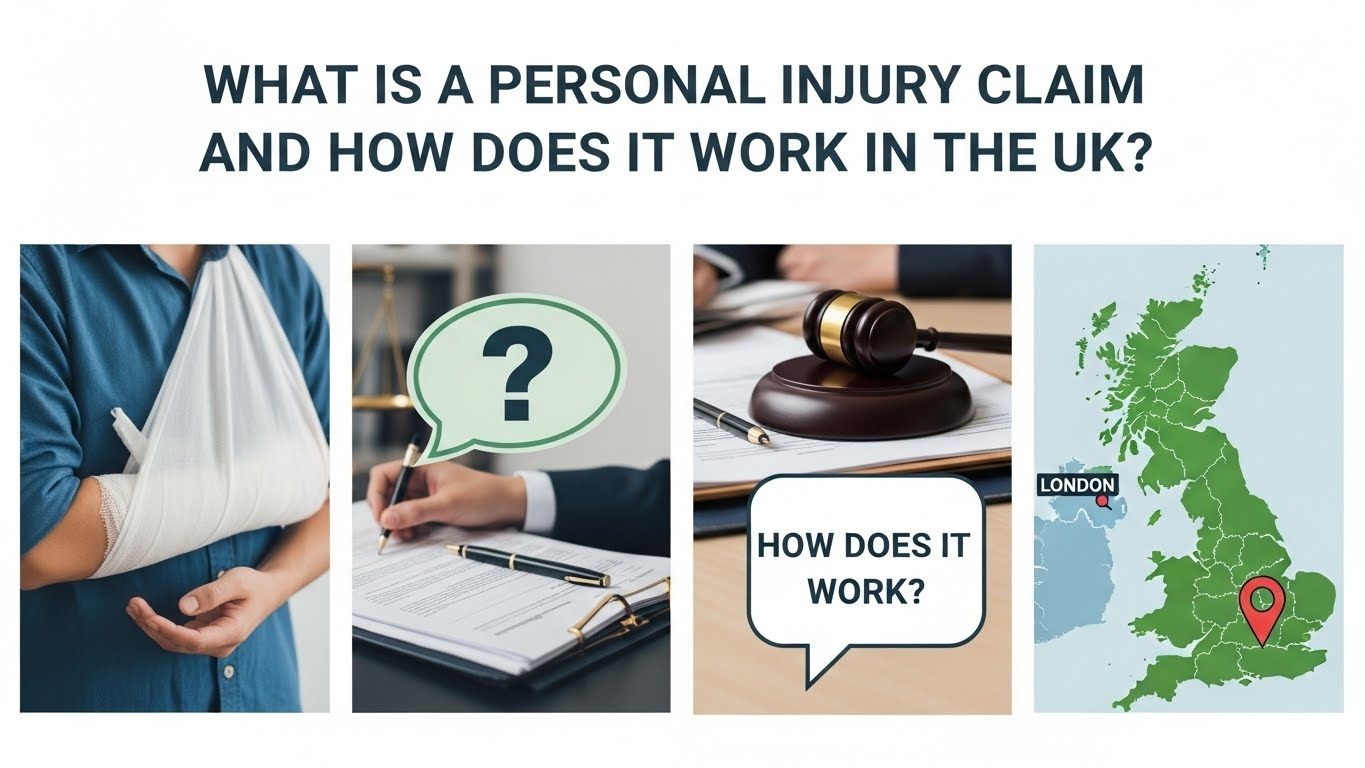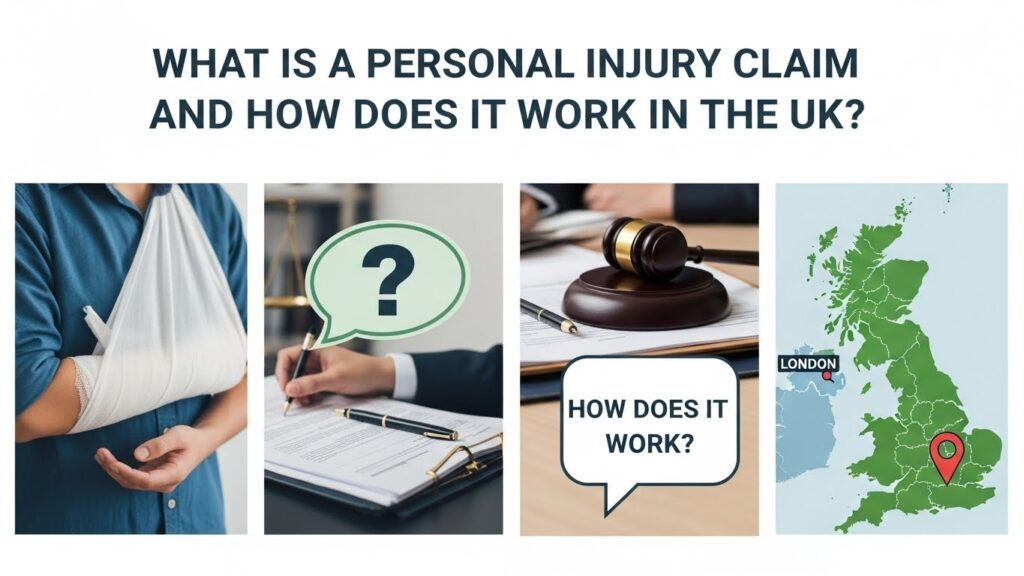
A personal injury can change daily life. It can affect work, income, health, and routine tasks. In the United Kingdom, the law allows injured people to seek compensation when harm happens due to someone else’s actions or lack of care. This process is known as a personal injury claim.
Many people hear the term but do not fully understand what it means or how the process works. This guide explains personal injury claims in clear language. It focuses on facts, legal basics, and the steps involved.
What Is a Personal Injury Claim
A personal injury claim is a legal request for compensation. It is made by a person who has suffered harm because another party failed to act with proper care. The injury can be physical, mental, or both.
The purpose of the claim is to recover money for losses caused by the injury. This may include pain, lost earnings, and treatment costs.
The claim does not exist to punish. It exists to restore what was lost due to the injury.
Types of Situations That Can Lead to a Claim
Personal injury claims can arise from many situations. Common examples include:
- Accidents at work
- Road traffic collisions
- Slips or trips in public places
- Medical treatment errors
- Injuries caused by faulty products
Each situation follows the same legal principles, even though the details differ.
The Legal Basis of a Personal Injury Claim
UK personal injury law is based on the concept of duty of care. This means people and organisations must take reasonable steps to prevent harm.
To succeed in a claim, three points must be shown:
- A duty of care existed
- That duty was breached
- The breach caused the injury
All three must link together. If one is missing, the claim may not succeed.
Who Can Make a Personal Injury Claim
Any person who has suffered injury due to another party’s actions can make a claim. Age, employment status, and nationality do not prevent a claim.
Children can also be claimants. In such cases, a responsible adult acts on their behalf.
People with reduced mental capacity may also claim through a legal representative.
Time Limits for Making a Claim
Personal injury claims in the UK have a strict time limit. This is known as the limitation period.
In most cases, a claim must begin within three years. The three years usually start from:
- The date of the injury
- The date the injury became known
For children, the time limit starts on their eighteenth birthday.
Missing the deadline can stop a claim, even if the injury is serious.
The First Step in the Claims Process
The process begins by gathering details about the injury. This includes:
- When and where it happened
- How it happened
- Who was involved
- Whether there were witnesses
Medical records play an important role. They help show the nature and extent of the injury.
Photographs, reports, and receipts can also support the claim.
How Liability Is Assessed
Liability refers to who is legally responsible. This part of the process focuses on fault.
Evidence is reviewed to decide whether the other party failed in their duty of care. This may involve:
- Accident reports
- Health and safety records
- Witness statements
Sometimes, responsibility is shared. In such cases, compensation may be reduced.
Medical Evidence and Its Role
Medical evidence is a key part of any personal injury claim. An independent medical assessment is often required.
The report explains:
- The injury suffered
- The impact on daily life
- Expected recovery time
This report helps calculate compensation and supports the claim facts.
How Compensation Is Calculated
Compensation usually has two parts.
The first part covers pain and suffering. This reflects how the injury affected physical and mental wellbeing.
The second part covers financial loss. This may include:
- Lost wages
- Travel costs
- Treatment expenses
- Care needs
Each case is assessed on its own facts.
The Claims Process Step by Step
The general process follows these stages:
- Initial review of the claim
- Collection of evidence
- Contact with the responsible party
- Response on liability
- Medical assessment
- Settlement discussions
Many claims settle without court action. Some require formal proceedings.
Court Action and When It Happens
Court action is not automatic. It usually happens when liability is denied or settlement cannot be agreed.
The court reviews evidence from both sides. A judge then decides the outcome.
Even after court papers are issued, cases can still settle before a hearing.
Costs and Funding of Claims
Many personal injury claims use a conditional fee agreement. This means legal fees depend on the outcome.
Other funding options may exist, depending on the case.
All costs and payment terms should be explained clearly before a claim starts.
The Role of Support Services in Injury Claims
Some injured people feel unsure about approaching solicitors directly. Support services can guide them through early steps and explain options.
In cases involving workplace injuries, an accident at work claim service offered by the company ru1njured.co.uk can act as a starting point. Such services help injured workers understand whether their situation may qualify for a claim and explain how the process works before legal steps begin. This fits within the wider claims structure while keeping the injured person informed and involved.
Common Misunderstandings About Personal Injury Claims
There are many misunderstandings around claims. Some people believe claims are automatic. Others think only serious injuries count.
In reality, each claim depends on evidence, duty of care, and impact. Minor injuries can still qualify if they caused real loss.
Another misunderstanding is that claims take many years. Some do, but many resolve sooner.
Why Understanding the Process Matters
Knowing how a personal injury claim works helps people make informed choices. It reduces confusion and avoids mistakes.
Understanding time limits, evidence needs, and legal steps allows claimants to protect their rights.
A claim is a legal process, not a complaint. Treating it seriously helps ensure fair outcomes.
Final Thoughts
A personal injury claim is a legal route to recover losses caused by injury. In the UK, this route follows clear rules and time limits.
Understanding what a claim is, how it works, and what is required gives people clarity. It also helps avoid delays and missed rights.
Injury can disrupt life. Knowing the legal process helps restore balance and accountability.