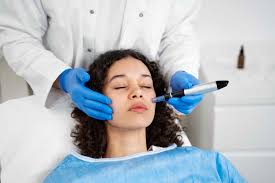
Aging is a natural process, but that doesn’t mean your skin has to show every single year that passes. Fine lines, dullness, uneven tone, and age spots often appear as time goes by. One treatment that has stood the test of time for restoring a youthful glow is the chemical peel. Whether you’re new to them or already a fan, understanding how they work and what they can do will help you choose the best chemical peel for aging skin.
Below are five powerful ways chemical peels help your skin look smoother, brighter, and younger.
- Smooths Out Fine Lines and Wrinkles
One of the first visible signs of aging is fine lines around the eyes, mouth, and forehead. Chemical peels gently exfoliate the top layer of skin, which removes dead cells and reveals a fresher layer underneath. Medium and deep peels can go even further, targeting the mid to deeper layers of skin to stimulate collagen production.
When collagen levels increase, your skin becomes firmer and more elastic. This makes fine lines less noticeable and deeper wrinkles appear softer. Over time, you’ll notice a smoother surface that makeup glides over more easily.
- Boosts Skin Radiance
If your skin has started looking dull or tired, chemical peels can help bring back that youthful glow. The peeling process speeds up skin cell turnover, replacing older, lacklustre cells with new, healthy ones. This natural renewal process is why your complexion appears brighter after just one session.
Light chemical peels, like those using glycolic or lactic acid, are particularly good for improving radiance without a long recovery period. They’re perfect for someone who wants quick results before an event or photoshoot.
- Evens Out Skin Tone and Fades Age Spots
Years of sun exposure can cause pigmentation issues, like brown spots, freckles, or uneven patches. These changes often make the skin look older than it really is. Chemical peels work by breaking down excess melanin in the skin, helping fade these dark spots over time.
The best chemical peel for aging skin with pigmentation might be a medium-strength option using trichloroacetic acid (TCA). It penetrates deeper than lighter peels, making it more effective at addressing stubborn discoloration while still improving overall texture.
- Improves Skin Texture for a Softer Feel
Aging skin doesn’t just change in colour and firmness, it also changes in texture. It might feel rough, bumpy, or uneven due to a build-up of dead skin cells and slower cell renewal. Chemical peels work like a reset button, removing the damaged outer layer to reveal skin that feels smoother to the touch.
Over time, repeated treatments can make your skin feel softer and more refined. This can also improve the way your skincare products absorb, making them more effective.
- Stimulates Collagen and Elastin Production
Collagen and elastin are the two proteins responsible for keeping your skin plump and elastic. Unfortunately, both decline with age. Chemical peels, especially medium and deep options, stimulate the skin to produce more of these proteins during the healing process.
As the skin rebuilds itself, it becomes stronger, firmer, and better able to resist sagging. This long-term benefit is why chemical peels are considered one of the best investments for anti-aging results.
Choosing the Best Chemical Peel for Aging Skin
With so many options, it’s important to pick a peel that suits your skin’s needs and tolerance. Here are some general guidelines:
- Light peels (Glycolic, Lactic): Great for mild fine lines, dullness, and a quick refresh. Minimal downtime.
- Medium peels (TCA): Ideal for moderate wrinkles, sun spots, and uneven tone. Requires a few days of recovery.
- Deep peels (Phenol): Best for deeper wrinkles and advanced sun damage. Longer recovery, but dramatic results.
Your skin type, goals, and schedule will help determine the most effective choice. A skin professional can guide you toward the best chemical peel for aging skin that will deliver the results you want.
What to Expect After a Chemical Peel
After a chemical peel, it’s normal to experience redness, slight swelling, or peeling for a few days. The exact downtime depends on the strength of the peel. Light peels may have you glowing again in 24 hours, while deeper peels could require a week or more.
No matter which peel you choose, sun protection is crucial after treatment. Your new skin is more sensitive to UV damage, so a broad-spectrum SPF is non-negotiable.
Final Thoughts
Aging gracefully doesn’t mean you have to accept every line, spot, or dull patch. Chemical peels offer a proven way to refresh your skin, smooth out texture, fade spots, and encourage new collagen growth. The right peel, chosen with the help of a professional, can make a big difference in how youthful and healthy your skin looks.
If you’ve been wondering how to give your complexion a noticeable boost without going through surgery, a chemical peel might be exactly what you need. Just remember, choosing the best chemical peel for aging skin is the first step toward seeing real results that last.