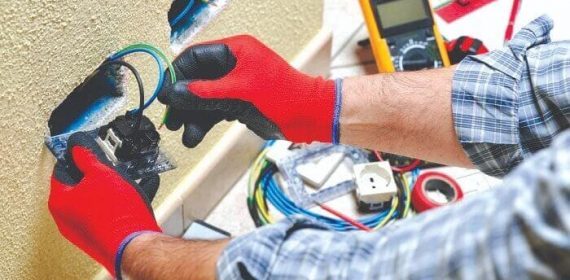
Ensuring electrical safety is a critical responsibility for property owners, facility managers, and occupants alike. Electrical testing plays a vital role in identifying faults, preventing hazards, and maintaining compliance with safety standards in both commercial and residential buildings. From newly constructed properties to aging facilities, regular electrical tests help detect hidden issues before they turn into costly or dangerous problems. This article explores the main types of electrical tests commonly used in buildings and explains why each test is essential for safe and reliable electrical systems.
What Is Electrical Testing?
Electrical testing is a systematic process of inspecting, measuring, and evaluating electrical installations and equipment to ensure they operate safely and efficiently. These tests assess wiring, circuits, earthing systems, protective devices, and connected equipment.
In both residential and commercial buildings, electrical testing helps prevent electric shocks, fires, equipment damage, and unexpected power failures.
Why Electrical Testing Is Important for Buildings
Electrical systems deteriorate over time due to wear, environmental factors, and increased load demands. Regular testing is essential because it:
-
Identifies hidden electrical faults
-
Ensures compliance with safety regulations
-
Reduces fire and shock risks
-
Extends the lifespan of electrical systems
-
Provides assurance for occupants and stakeholders
Commercial buildings often face higher electrical loads, while residential properties require consistent safety checks to protect occupants.
Main Types of Electrical Tests Used in Buildings
1. Visual Inspection
Visual inspection is the first and most basic form of electrical testing. It involves checking visible components without using instruments.
What it checks:
-
Damaged cables or insulation
-
Loose connections
-
Signs of overheating or burning
-
Incorrect labeling or identification
Why it matters:
Many electrical hazards can be detected early through visual inspection, making it a crucial first step in both homes and workplaces.
2. Continuity Testing
Continuity testing ensures that electrical conductors are properly connected and uninterrupted.
What it checks:
-
Integrity of wiring circuits
-
Effectiveness of protective conductors
-
Proper bonding and earthing connections
Where it’s used:
Commonly applied in both residential and commercial installations, especially during new installations or after maintenance work.
3. Insulation Resistance Testing
This test measures the resistance of electrical insulation to prevent leakage currents.
What it checks:
-
Deterioration of cable insulation
-
Moisture ingress
-
Risk of short circuits or electric shock
Why it matters:
Low insulation resistance can lead to electrical fires or system failure. This test is essential in older buildings and high-load commercial environments.
4. Earth Continuity Testing
Earth continuity testing confirms that all exposed metal parts are properly connected to the earthing system.
What it checks:
-
Effective grounding of equipment
-
Safety of protective earth paths
Importance:
Proper earthing ensures that fault currents flow safely to the ground, reducing the risk of electric shock.
5. Earth Resistance Testing
Earth resistance testing measures how effectively electrical current can dissipate into the ground.
What it checks:
-
Performance of the grounding system
-
Soil resistance and electrode effectiveness
Where it’s critical:
Commercial buildings, industrial facilities, and large residential complexes rely on strong earthing systems for safety and equipment protection.
6. Polarity Testing
Polarity testing verifies that live, neutral, and earth connections are correctly wired.
What it checks:
-
Correct placement of live conductors
-
Safe operation of switches and sockets
Why it’s important:
Incorrect polarity can cause electric shocks and damage appliances, especially in residential properties.
7. Residual Current Device (RCD) Testing
RCD testing ensures that protective devices respond quickly during electrical faults.
What it checks:
-
Tripping time and sensitivity of RCDs
-
Proper operation during leakage currents
Benefits:
RCDs provide vital protection against electric shock, particularly in wet areas like kitchens, bathrooms, and outdoor circuits.
8. Load Testing
Load testing evaluates how electrical systems perform under normal and peak usage conditions.
What it checks:
-
Circuit capacity
-
Overloading risks
-
Voltage drops
Where it’s commonly used:
Commercial buildings with high power demands, such as offices, retail spaces, and data centers.
9. Functional Testing
Functional testing confirms that electrical systems and components operate as intended.
What it checks:
-
Switches, breakers, and control systems
-
Emergency lighting and backup systems
Why it matters:
This test ensures operational reliability, especially in commercial buildings where system failure can disrupt business operations.
10. Thermal Imaging Inspection
Thermal imaging uses infrared cameras to detect heat anomalies in electrical systems.
What it identifies:
-
Overheating connections
-
Imbalanced loads
-
Potential fire hazards
Advantages:
It allows non-intrusive detection of faults that are invisible during standard inspections.
Differences Between Commercial and Residential Electrical Testing
Commercial Buildings
-
Higher electrical loads
-
More complex distribution systems
-
Greater emphasis on preventive testing
-
Frequent testing schedules
Residential Buildings
-
Simpler electrical layouts
-
Focus on occupant safety
-
Periodic testing and inspections
-
Emphasis on RCD and polarity checks
Both require structured testing plans, but commercial environments demand more frequent and detailed assessments.
When Should Electrical Testing Be Conducted?
Electrical testing should be carried out:
-
Before occupancy or handover
-
After renovations or upgrades
-
At regular intervals for maintenance
-
Following electrical faults or incidents
Routine testing helps ensure long-term safety and system reliability.
Conclusion
Understanding the different types of electrical testing used in commercial and residential buildings is essential for maintaining safe and efficient electrical systems. From basic visual inspections to advanced thermal imaging, each test serves a specific purpose in identifying risks and preventing failures. By implementing a structured electrical testing program, property owners and facility managers can protect occupants, ensure compliance, and extend the lifespan of their electrical installations.