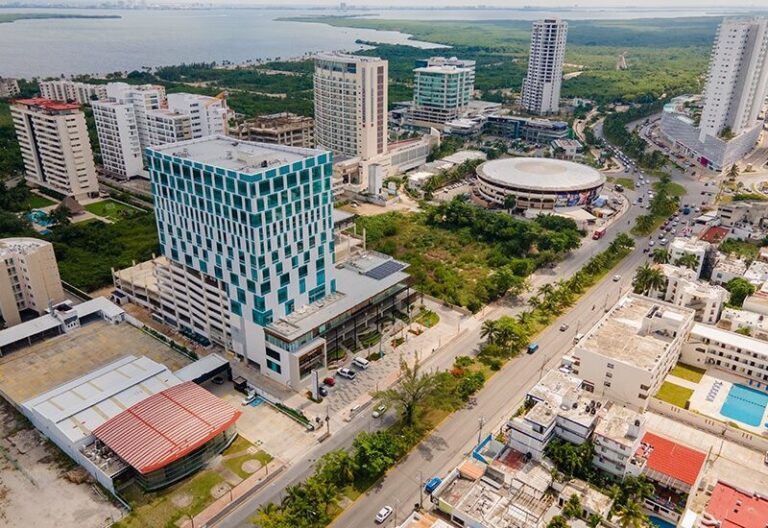
You might be wondering how hotels and resorts in Mexican hotspots are valued by expert appraisers. Especially in key destinations like Cancun, Los Cabos, and the Riviera Maya, tourism drives property values. In this article, you’ll discover how occupancy trends, seasonal demand, and tourism growth shape commercial real estate valuation Mexico for hospitality assets and why these markets matter to investors and developers.
What Drives Hotel and Resort Valuation in Mexico?
When valuing hospitality assets, appraisers look at numbers that reflect real earnings and future potential. Think of occupancy rates, revenue per available room (RevPAR), and average daily rates (ADR). These performance indicators are central to understanding cash flow.
For example, the Cancun and Riviera Maya markets have seen strong ADR and RevPAR growth as international tourism continues to surge, with ADR up around 21 percent and RevPAR climbing approximately 27 percent through August 2025. These metrics signal healthy income streams that appraisers use to estimate future discounted cash flows.
Why Cancun Still Captures Investor Interest
Cancun remains one of Mexico’s most active hotel markets. With new room supply increasing and strong tourism figures, this beach city stands out for investors seeking stable returns. Appraisers study year-over-year occupancy trends to adjust income forecasts.
For example, recent data show Cancun hotels achieved a 73.3 percent average occupancy in early 2025, down from the previous year but still strong given global travel shifts.
That’s why, when you’re handling hotel valuations here, it’s not just about current earnings. You must look at trends and how seasonal fluctuations impact annual revenue streams, especially during high and low tourism seasons.
How Seasonal Demand Shapes Valuation Models
Seasonality matters a lot in hospitality valuation. During peak winter and spring periods, destinations like the Riviera Maya can reach 75 to 80 percent occupancy, creating robust cash inflows. In off-peak months, those numbers can dip, affecting projected earnings and valuation adjustments. This pattern influences how you model stabilized income and ultimately determine asset value using methods such as discounted cash flow (DCF).
For instance, Riviera Maya’s hotel occupancy has hovered around 76 percent even with thousands of new rooms coming online, reflecting resilience in demand.
Los Cabos: Premium Brand Appeal and Appraisal Nuances
Los Cabos operates differently from Cancun and the Riviera Maya. Here, high-end resorts often command higher average daily rates, even when overall occupancy fluctuates. Appraisers must separate luxury performance from broader market averages. This region’s ability to maintain strong luxury demand and ADR has a direct impact on valuation multiples. Expert analyses by Global Valuation And Consulting LLC, show Los Cabos properties regularly achieve occupancy rates in the mid-70s during peak seasons, offering a strong case for premium valuation positioning.
Tourism Growth Trends and Their Impact on Valuations
Mexico’s tourism numbers have climbed sharply. Between January and October 2025, the country reported over 79 million international visitors, up more than 13 percent versus the previous year. This inflow strengthens investor confidence and supports higher valuations for hospitality assets.
More arrivals mean stronger demand forecasts, better RevPAR prospects, and improved yield estimates. As a result, when you prepare a commercial real estate valuation Mexico report, incorporating macro tourism trends makes your appraisal more credible and robust.
Key Challenges Valuers Must Account For
Despite strong tourism, there are valuation headwinds:
• Seasonal dips in demand can skew annual income if not adjusted properly.
• New supply entering the market might pressure rates and occupancy.
• Non-hotel alternatives like vacation rentals can divert demand.
These factors must be woven into your valuation analysis to reflect true market risk.
What Investors Need from Hotel Appraisals Today
Investors and lenders need more than numbers; they want insights into sustainability of earnings. A high-quality appraisal will:
• Analyze historic and projected occupancy and ADR trends.
• Adjust income for seasonality and market shifts.
• Benchmark performance against similar assets in Cancun, Los Cabos, and Riviera Maya.
Conclusion
Understanding tourism dynamics is essential when valuing hotels and resorts in Mexico’s vibrant commercial real estate market. By analyzing occupancy rates, ADR, seasonal patterns and tourism growth, your valuation work becomes more precise and valuable to investors and developers. In markets like Cancun, Los Cabos, and the Riviera Maya, this holistic approach ensures your commercial real estate valuation Mexico reports are rigorous, actionable and aligned with market realities.