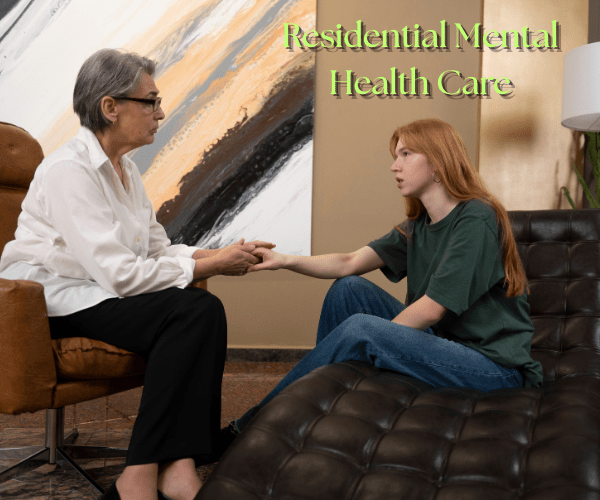
Taking care of your mind is just as important as caring for your body. But sometimes, simple steps like talking to a friend or visiting a counselor are not enough. In those moments, a stronger kind of help may be needed. That’s when residential mental health care can become the best path forward.
Let’s explore the top signs that show when this type of care could be right for you.
1. Everyday Life Feels Too Hard
Do daily tasks like cooking, working, or even getting out of bed feel impossible? If simple things drain all your energy, it may be a sign that extra care is needed. Residential programs give structure and support so life feels manageable again.
2. You Feel Overwhelmed Most of the Time
Everyone feels stressed sometimes, but constant stress is different. If worries take over your thoughts all day, you may need deeper care. In a residential program, skilled staff help you calm your mind and build coping skills.
3. You Can’t Control Your Emotions
Do your moods swing quickly from one extreme to another? Feeling very sad, then suddenly angry, can be a sign that more help is needed. Residential care creates a safe space where emotions can be understood and managed.
4. You’ve Tried Outpatient Care Without Success
Outpatient care, like seeing a therapist once a week, can help many people. But if you’ve tried it and still feel stuck, a residential program offers more hands-on support. With daily guidance, progress often happens faster.
5. You Struggle With Harmful Thoughts
If thoughts of hurting yourself or others keep coming up, this is a serious warning sign. Residential care gives 24/7 safety and care, helping protect you while guiding you toward healing.
6. Your Sleep and Eating Habits Are Out of Control
Not sleeping for days or sleeping too much can hurt your mind. The same goes for eating far too little or too much. Residential care programs help restore healthy patterns so your body and mind can work together again.
7. You Rely on Substances to Cope
Do you find yourself using alcohol or drugs just to get through the day? This is a clear sign that extra care is needed. Many residential programs treat both mental health and substance struggles at the same time.
8. Relationships Are Falling Apart
When mental health struggles grow, relationships often suffer. If fights are constant, or if you’ve pulled away from everyone, it may be time for stronger help. Residential care helps you rebuild trust and learn healthy ways to connect.
9. Work or School Feels Impossible
If your mind makes it hard to focus, finish tasks, or even show up, this can affect your future. Residential programs give the chance to step back, heal, and gain the tools you need before returning to daily life.
10. You Feel Numb or Disconnected
Some people don’t feel strong sadness or anger but instead feel nothing at all. If the world feels flat and empty, residential care can help bring back feelings of hope and joy.
11. You’ve Experienced Trauma
A painful event, like abuse, loss, or violence, can stay with you for years. If memories of trauma stop you from living fully, residential programs offer therapy and support designed to help you process and heal.
12. You Avoid Social Settings Completely
It’s normal to want alone time. But if fear or sadness keeps you from leaving your home or talking to others, this can be a red flag. Residential care gives gentle steps to rebuild confidence in social situations.
13. You Feel Unsafe at Home
Sometimes the place you live does not give the peace or support you need. If home feels unsafe or triggers stress, a residential program offers a new environment focused only on healing.
14. Your Health Is Getting Worse
Mental health can affect your physical health. Ongoing headaches, stomach problems, or constant fatigue might connect to deeper struggles. Residential programs treat your mind in ways that also help your body recover.
15. You Want to Heal but Don’t Know How
Perhaps the clearest sign is this: you want change but feel lost. Wanting help is already a powerful step. Residential care provides the map and the guides to lead you toward healing.
Why These Signs Matter
These signs should not be ignored. The longer they continue, the harder they may become to manage. Recognizing them now is a brave act, and it shows that healing is possible with the right support.
The Benefits of Residential Mental Health Care
Residential care is not just about treatment—it’s about building a new way to live. Programs give daily routines, caring staff, safe spaces, and therapies that fit your needs. They focus on the whole person: mind, body, and spirit. Many people leave with stronger coping tools, renewed energy, and hope for the future.
How to Take the Next Step
If you see yourself in these signs, the next step is to reach out. Talk to a doctor, counselor, or trusted loved one. Ask about programs near you. Research centers that offer residential support. The sooner you start, the sooner healing begins.
Finding Care That Fits You
Not all programs are the same. Some focus on young adults, some on trauma, and others on mood struggles. Look for one that matches your needs. This helps you feel understood and supported from the start.
Final Thoughts
Seeing the signs is the first step. Acting on them is the next. If life feels heavy and the signs above sound familiar, you don’t have to face it alone. Residential mental health care is designed to give you safety, support, and healing. And if you’re ready to explore trusted options, visit southernliveoakwellness.com to learn more about paths to recovery.