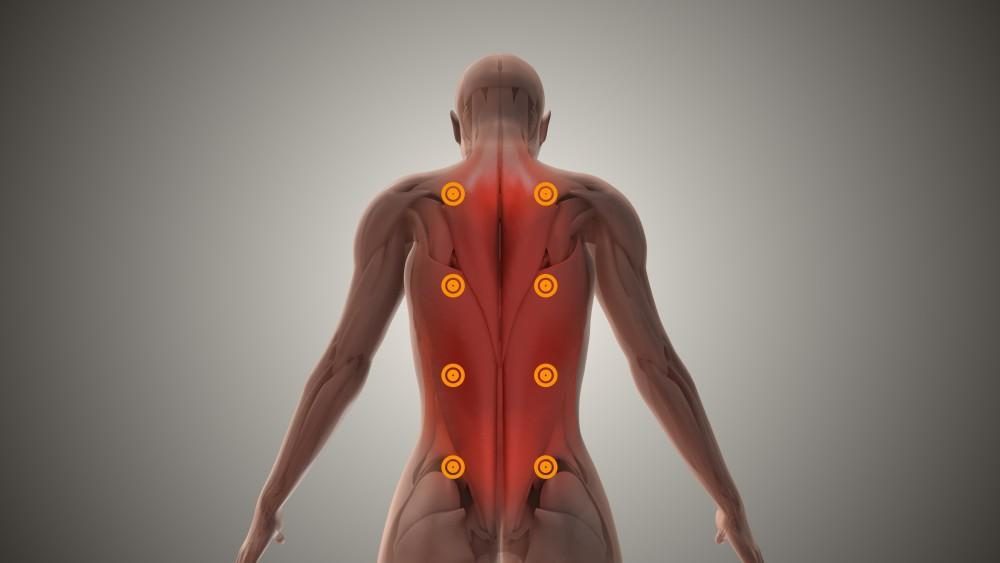
Back and neck pain are among the most common complaints faced by people who travel frequently or engage in physically demanding activities. Long journeys, poor posture, heavy lifting, and sudden exertion can strain the spine and surrounding muscles, leading to discomfort or even long-term complications. At the Neurology and Pain Management Clinic (NPMC), Dr. Gautam Arora (MBBS, MD, DM) emphasizes that prevention is the key to avoiding such pain and maintaining spinal health. By adopting simple habits and techniques, you can travel or exert yourself with greater comfort and less risk of injury.
Why Travel and Exertion Trigger Pain
Travel often involves prolonged sitting in cars, buses, trains, or airplanes, where posture is compromised, and movement is restricted. Similarly, exertion—whether through sports, work, or sudden lifting—places undue stress on the spine and muscles if done without proper preparation. These factors can cause stiffness, inflammation, or even nerve compression, leading to pain in the lower back, shoulders, or neck.
Practical Tips to Prevent Back and Neck Pain
1. Maintain Good Posture While Sitting
When traveling, always keep your back supported and shoulders relaxed. Use lumbar cushions or rolled towels to support the lower spine. Keep both feet flat on the ground and avoid slouching, as this increases pressure on the discs and neck muscles.
2. Take Frequent Breaks
If you’re on a long journey, make it a habit to stand, stretch, and walk around every 1–2 hours. These short breaks help reduce stiffness, promote circulation, and keep your muscles active.
3. Use Supportive Gear
Neck pillows, seat cushions, or travel lumbar rolls can make a big difference. For exertion, wearing supportive footwear or braces when recommended can help reduce strain and prevent injury.
4. Stretch Regularly
Incorporate gentle stretches for the back and neck before, during, and after travel or exertion. Stretching keeps muscles flexible, reduces tightness, and improves overall spinal health. Simple movements like shoulder rolls, neck tilts, and hamstring stretches can be very effective.
5. Pack and Lift Smartly
When carrying luggage or heavy items, use proper lifting techniques: bend your knees, keep the load close to your body, and avoid twisting your spine. Opt for lightweight luggage with wheels to minimize strain on your back and shoulders.
6. Stay Hydrated and Active
Dehydration contributes to muscle cramps and stiffness. Drink plenty of water while traveling and incorporate light exercises, such as walking or yoga, into your routine to strengthen the back and neck.
7. Mind Your Sleeping Position
On overnight journeys, support your head and neck properly with a pillow to avoid awkward positions that strain muscles. When exerting yourself, ensure your body gets enough rest afterward to aid recovery.
8. Build Core and Back Strength
A strong core supports the spine during both travel and exertion. Engage in regular exercises such as planks, bridges, and gentle yoga to build muscle strength and reduce the risk of injury.
When to Seek Medical Help
While mild stiffness and occasional pain are common, persistent or severe pain should not be ignored. If you experience tingling, numbness, radiating pain, or weakness in the arms or legs, it may indicate a more serious underlying condition. At NPMC, Dr. Gautam Arora offers advanced diagnostic tools and treatments, including physiotherapy, injections, and lifestyle modifications, to address the root cause of pain and provide lasting relief.
Conclusion
Back and neck pain during travel or exertion is often preventable with the right posture, preparation, and healthy habits. By incorporating simple practices such as stretching, using supportive gear, and lifting correctly, you can reduce your risk of pain and enjoy greater comfort. If discomfort persists, seeking timely medical guidance is crucial. At the Neurology and Pain Management Clinic (NPMC) in Delhi, Dr. Gautam Arora (MBBS, MD, DM) provides expert care tailored to each patient’s needs, helping them move freely and live pain.