The construction industry has witnessed countless innovations, but few machines have impacted project execution as much as the telehandler. Once considered a niche piece of equipment, telehandlers are now seen on construction sites of all sizes across Australia. Whether a business is exploring a telehandler for sale to expand its fleet or renting one for a short-term project, this machine has become essential for its versatility, efficiency, and safety.
The Origins of the Telehandler
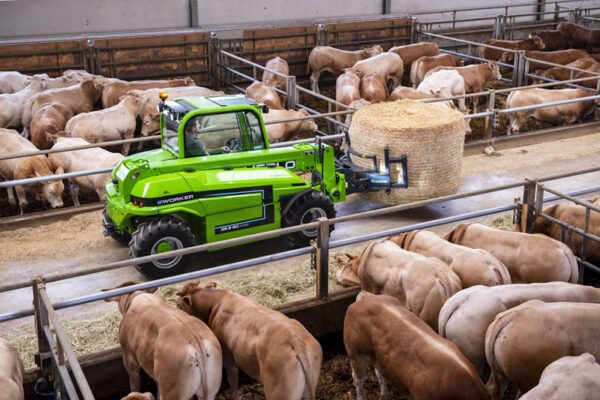
The telehandler, short for telescopic handler, was originally designed as a hybrid between a forklift and a crane. Its primary purpose was to create a machine that could handle heavy loads while extending its reach both vertically and horizontally. Early versions appeared in the mid-20th century, primarily in agriculture, where they were used to transport bales of hay or feed.
As construction technology advanced, the potential of the telehandler became clear. Engineers began to adapt the machine for industrial and construction applications, fitting it with stronger frames, greater lifting capacities, and attachments that allowed it to perform multiple roles on a worksite.
The Telehandler’s Transition into Construction
By the 1980s, the telehandler was becoming a common sight on building projects. Its ability to extend upwards like a crane and manoeuvre like a forklift gave construction teams a cost-effective alternative to using multiple machines.
Traditional forklifts are limited in reach, whereas telehandlers can operate in tight urban spaces while still lifting materials to considerable heights. This adaptability quickly made them invaluable for projects involving high-rise developments, bridge construction, and large-scale infrastructure works.
Key Innovations That Shaped Telehandler Development
Over the years, telehandlers have gone through significant improvements, with innovations focusing on performance, safety, and efficiency. Some of the most notable advancements include:
1. Telescopic Boom Enhancements
The telescopic boom is the defining feature of the telehandler. Early versions offered limited reach, but modern designs allow for extended lift heights and outreach capabilities. These improvements mean telehandlers can now rival cranes for certain lifting applications, particularly when flexibility and mobility are required.
2. Attachment Versatility
Another important improvement is the range of attachments available. You can fit buckets, pallet forks, grapples, or lifting jibs to the machine, which makes it extremely versatile on a construction site. With the right attachment, a telehandler can move pallets, handle bulk materials, or even help with small excavation tasks.
3. All-Terrain Capabilities
Construction sites are rarely flat or even, so telehandlers have been designed with rugged tyres and powerful drivetrains that allow them to move across challenging terrain. This capability makes them suitable for everything from large civil works to residential builds.
4. Safety Features
Modern telehandlers include advanced safety technologies such as load management systems, stabilisers, and operator training modules. These ensure the machines are used within safe operating limits while reducing the risk of accidents on site.
The Role of Telehandlers in Modern Construction
Today, telehandlers are not just lifting machines; they are multifunctional tools that boost construction efficiency. Some of their key contributions include:
- Material Handling Efficiency: Telehandlers can transport heavy loads such as bricks, timber, and steel beams quickly and safely.
- Reduced Equipment Needs: Instead of hiring separate machines for lifting, loading, and moving, a telehandler can do it all.
- Improved Productivity: With attachments and flexible movement, they reduce downtime and keep projects on schedule.
- Adaptability: From high-rise construction to roadworks and landscaping, the telehandler adapts to nearly any task.
Telehandlers Compared to Other Machinery
To understand their importance, it’s useful to compare telehandlers with other types of equipment:
- Forklifts: While forklifts are excellent for warehouse use, they lack the reach and terrain-handling capabilities of telehandlers.
- Cranes: Cranes can lift much heavier loads and reach greater heights, but they are far less mobile and often costly to hire or operate.
- Excavators: Excavators are designed primarily for digging, while telehandlers excel in lifting and material handling.
When compared with forklifts, cranes, or excavators, telehandlers clearly stand apart for the versatility they bring to a worksite.
Environmental and Economic Impact
Modern construction practices demand efficiency and sustainability. Telehandlers contribute to both goals:
- Fuel Efficiency: Modern models incorporate fuel-saving technologies, lowering both operating costs and emissions.
- Reduced Fleet Size: A single telehandler can replace multiple machines, as it minimises the number of vehicles on-site, leading to fewer emissions and lower fuel use.
- Durability: Telehandlers are built to last, reducing waste and the need for frequent replacements.
The Future of Telehandlers
In the future, telehandlers are likely to continue evolving alongside other construction technologies. Innovations in automation and electrification are expected to play a key role in the future.
- Electric Telehandlers: With the push towards green construction, battery-powered telehandlers are becoming more viable, offering zero emissions for indoor or urban projects.
- Automation and Remote Control: Advanced models may incorporate semi-autonomous or remote-control systems to improve safety and efficiency.
- Smart Sensors and IoT Integration: Future telehandlers could work directly with site management systems, offering real-time information on load handling, fuel use, and overall performance.
Conclusion
Telehandlers have come a long way from their agricultural roots. Today, they are among the most valuable machines on construction sites, combining the capabilities of a forklift, crane, and loader into a single versatile unit. Their adaptability, safety features, and productivity benefits have made them a common sight across Australia.
Whether you’re looking at a telehandler for sale or simply curious about its role in modern construction, it’s clear that these machines are here to stay. As technology progresses, telehandlers will only become more efficient, eco-friendly, and essential in shaping the future of the building industry.