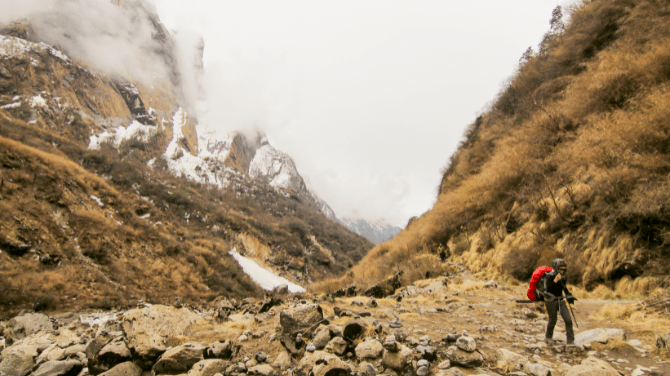
The Himalayas have long been a siren call to solo adventurers. There’s something about the stillness of the forests, the majesty of snow-clad peaks, and the simplicity of a well-worn trail that appeals to those seeking solitude, self-discovery, and peace. While many Himalayan treks are rugged and demanding, not all are equally suitable for solo trekkers. One route that stands out for its accessibility, safety, and charm is the Phulara Ridge Trek.
This blog explores why the Phulara Ridge Trek is a perfect choice for solo trekkers, what makes it secure and manageable, and how you can prepare for this unforgettable experience on your own.
1. Introduction to the Phulara Ridge Trek
The Phulara Ridge Trek is nestled in the heart of Uttarakhand, within the Govind Pashu Vihar Wildlife Sanctuary. Starting from the quaint village of Sankri, the trek meanders through dense forests, lush alpine meadows (bugyals), and culminates in a thrilling walk along an expansive ridgeline with panoramic Himalayan views.
At around 12,000 feet, it is a moderate trek in terms of altitude and difficulty, making it ideal for both beginners and experienced trekkers. More importantly for solo travelers, the Phulara Ridge Trek strikes a balance between remoteness and support infrastructure, creating a safe yet exhilarating experience.
2. What Makes It Ideal for Solo Trekkers?
a. Well-Marked and Structured Trail
The route is clearly marked and commonly used during the trekking season. Whether you’re with a guide or alone, it’s hard to lose your way.
b. High Visibility on the Ridge
Unlike treks that take you deep into dense forests or isolated valleys, the ridgeline of Phulara is open, offering clear visibility in every direction. This natural openness adds a layer of safety.
c. Relatively Short Duration
With a span of 5 to 6 days, the trek is not too long, making it manageable for solo trekkers. It offers the experience of a multi-day Himalayan trek without the extended risks.
d. Connectivity in Sankri
The base village of Sankri has decent mobile connectivity and emergency services, which is a big plus for solo travelers who need to stay in touch or get help quickly.
e. Trekking Community and Friendly Locals
The region is frequented by trekking groups, and the locals are used to helping out travelers. Even if you trek solo, you’re unlikely to feel truly alone.
3. Safety Measures to Follow as a Solo Trekker
Though the Phulara Ridge Trek is solo-friendly, all solo adventures require preparation:
-
Carry a GPS-enabled device or offline maps.
-
Inform someone about your itinerary.
-
Stick to the schedule and route.
-
Avoid night trekking.
-
Carry a basic medical kit and emergency contacts.
4. Local Support and Trekking Services
Sankri serves as a starting hub for many treks, including Kedarkantha and Har Ki Dun. You can hire a local guide or porter even for just a day. This flexibility allows solo trekkers to customize their journey according to their comfort level.
Many solo trekkers also choose to join scheduled group departures by responsible trekking companies. This hybrid approach offers the independence of solo travel with the backup of group logistics.
5. The Mental and Emotional Rewards of Solo Trekking
Solo trekking offers unparalleled freedom. On the Phulara Ridge Trek, this sense of liberty is magnified as you walk alone across the high-altitude ridge with majestic peaks like Swargarohini, Bandarpoonch, and Kedarkantha watching over you.
It’s a trek where silence speaks louder than words, where each sunrise feels personal, and where every step helps build confidence, clarity, and resilience.
6. Best Time to Trek Solo on Phulara Ridge
The ideal seasons are May-June and September-October. These periods offer clear skies, moderate temperatures, and stable weather—critical factors for solo trekkers.
Avoid monsoons due to slippery trails and winter if you’re not equipped for snow and freezing temperatures.
7. Essential Gear Checklist for Solo Trekkers
-
Backpack (45-60L)
-
Sleeping bag and mat
-
Tent (optional if not with a group)
-
Layers of warm clothing
-
Waterproof jacket
-
Headlamp with extra batteries
-
Water purifier or tablets
-
First aid kit
-
Trekking poles
-
Power bank and emergency whistle
8. Solo but Social: Meeting Fellow Trekkers
You may begin solo, but the trail often brings you in contact with fellow trekkers. Sharing a meal at a campsite or exchanging stories over a bonfire can lead to lasting friendships.
In fact, the Phulara Ridge Trek is known for its welcoming trail culture where solo trekkers are supported and included.
9. Nature and Wildlife Awareness
The trail goes through areas that are part of a wildlife sanctuary. Solo trekkers must be aware of their surroundings and avoid disturbing animals. It’s rare to encounter wildlife on the trail, but basic awareness is essential.
10. Budgeting and Cost for Solo Trekkers
Solo trekking can be budget-friendly or luxurious, depending on your preferences. A rough budget outline:
-
Travel to/from Sankri: INR 2,000-4,000
-
Accommodation in Sankri: INR 500-1,000 per night
-
Guide/Porter (optional): INR 1,000-1,500 per day
-
Food: INR 300-500 per day
-
Trekking gear rental (if needed): INR 1,000-2,000
Total estimated cost for a solo trek: INR 8,000 – 15,000
Conclusion: Embrace the Ridge, Embrace Yourself
The Phulara Ridge Trek offers everything a solo adventurer could wish for: safety, beauty, accessibility, and a touch of solitude. It allows you to disconnect from the chaos of daily life and reconnect with nature and your inner self.
So, pack your bags, trust your instincts, and set off on a journey where you are your only companion and the Himalayas your endless guide. The phulara ridge trek isn’t just safe for solo travelers—it’s made for them.