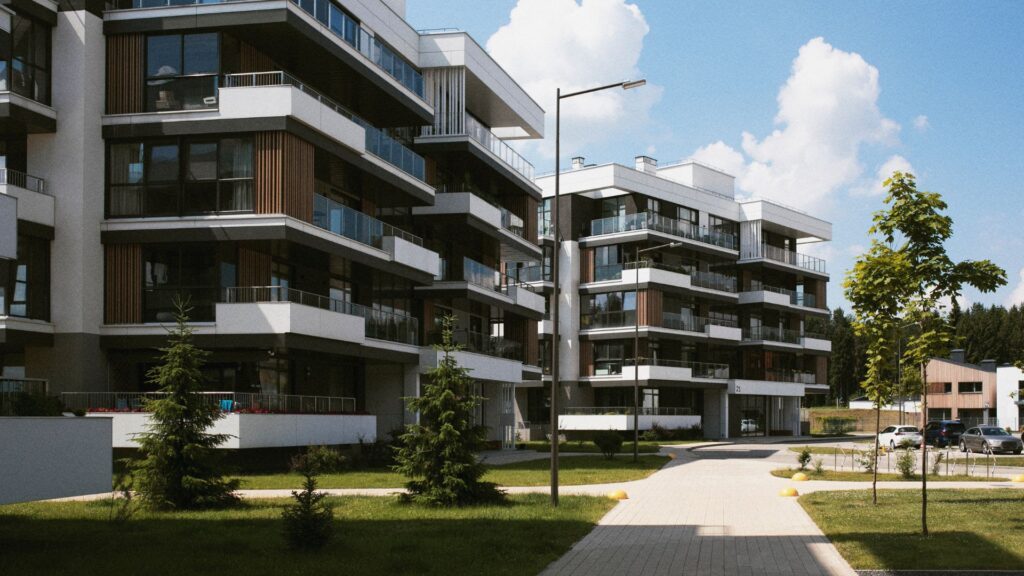
Property investment in Singapore can be a strong hedge against inflation for many citizens. While it has seen some price moderation of late, price stability and high home ownership rates (~90% in 2024) keep it one of the key wealth preservation tools in the country.
This is a mature and tightly regulated market, however. An understanding of the financial landscape and its regulations is fundamentally non-negotiable for investors seeking entry.
In this article, we’ll go over some key things to remember when investing in property in the country. This should serve as a useful starting point for beginner investors.
Understanding the Financial Realities of Property Investment in SG
There are several critical costs and concerns to think about when planning a property investment here:
- Buyer’s Stamp Duty (BSD) – A tax that applies to all property purchases, with rates up to 6% for the portion of value exceeding S$3 million as of 2025.
- Additional Buyer’s Stamp Duty (ABSD) – This is distinct from BSD. Singapore Citizens buying a second residential property have to pay 20% ABSD. Third and subsequent properties incur 30% ABSD.
- Loan-to-Value (LTV) limit – This determines the maximum amount a bank can lend you for your mortgage. The Monetary Authority of Singapore (MAS) set a lower LTV limit for second and subsequent home loans, translating to bigger cash down payments.
- Total Debt Servicing Ratio (TDSR) – Your total monthly debt obligations (including your mortgage) must not exceed 55% of your gross monthly income due to this measure.
Direct vs. Indirect Property Investment
Direct property investment is the traditional method of property investment in Singapore. It offers these benefits:
- Greater control
- Higher capital appreciation
However, it comes with these drawbacks as well:
- High entry costs
- Stamp duties
- Maintenance duties
- Tenancy management needs
- Illiquidity
Indirect property investment often happens through vehicles such as REITs (Real Estate Investment Trusts) and real estate mutual funds. It has these benefits:
- Lower capital requirement
- Higher liquidity
- Professional management
- Easy diversification
But it also comes with these disadvantages:
- Less control
- Property management fees
- Higher market volatility
That said, there are now midway solutions as well, which may offer the best of both options.
Practical Investment Alternatives for New Investors
Some investors may want exposure to real estate with fewer of the compromises involved with the traditional investment options.
For example, an investor may want neither the immense capital and management requirements of direct investment nor the high volatility of tools like REITs.
For such investors, new fractional ownership or crowdfunding options are now available.
A prime example available to Singaporean investors is RealVantage. It allows individual investors to pool capital to access institutional-grade real estate deals, both locally and globally.
This strategy allows new property investors to enter the market with relatively small initial investments, offering opportunities for immediate portfolio diversification across property types and geographies.
The platform also offers deals that include professional property management, along with clear exit plans and schedules.
This approach enables investors to participate in lucrative projects that would otherwise only be accessible to more sophisticated or institutional investors.
Strategic Advice for Singaporean Buyers
Singaporean investors should consider a variety of insider strategies to optimise their property investments once they get started. Below are some vital examples for savvy investors:
- Decoupling – This is where one spouse transfers their share of the first property to the other spouse. This makes the purchasing spouse a “first-time” buyer again. The result is a reduced ABSD on the new investment property in exchange for legal and transactional fees.
- Long-term holding period – The SG government imposes a Seller’s Stamp Duty (SSD) to control short-term speculation. It’s applied to residential property sold within a certain holding period, e.g. up to 3 years. Keep it in mind when planning for property purchase and resale.
Keep these factors in mind when planning your property investment in Singapore. With a little knowhow, you can position yourself wisely for the best appreciation and returns.