On an active oil and gas lease, fluids move constantly. Water is brought in for drilling and completions, produced fluids are removed from separators, and waste liquids must be transported to approved facilities. Coordinating that movement safely is one of the most important logistical tasks on site.
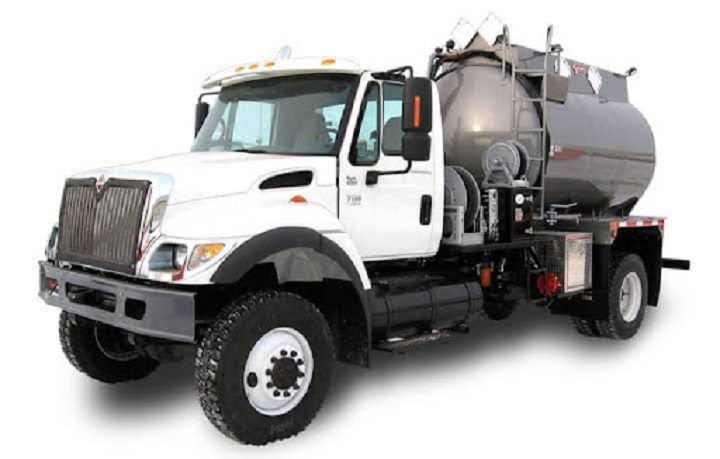
A pressure truck is a specialized vehicle designed to load, transfer, and transport liquids under controlled pressure. For site managers and project coordinators, understanding how this equipment functions helps prevent delays, environmental incidents, and costly operational interruptions. It is not simply a hauling vehicle. It is part pump system, part containment system, and part safety control unit for fluid management.
What a Pressure Truck Is (and How It Differs from Tank Trucks)
People often use the terms interchangeably, but there is a technical difference.
A tank truck primarily transports liquids that are already loaded into storage. A pressure truck, however, is built to actively move fluids using onboard pumps and vacuum systems. The unit can pull liquids out of tanks, pits, and vessels, then discharge them into another container or facility.
Typical components include:
- Vacuum pump system
- Pressure discharge system
- Storage tank (steel vacuum-rated vessel)
- Hoses and manifolds
- Level gauges and relief valves
Because it can both suck and push fluids, a pressure truck is frequently used where fixed pumping infrastructure does not exist. This makes it essential during drilling, maintenance shutdowns, and production cleanups.
Fluids Moved on Alberta Oilfield Sites
Fluid hauling in Alberta involves more than crude oil. A single well battery may require multiple liquid movements each week.
Common materials handled include:
- Fresh Water
Used for drilling mud preparation and completions. - Drilling Fluids
Mud systems containing bentonite, polymers, or oil-based components must be transferred carefully to prevent contamination. - Produced Water
Saltwater is separated from hydrocarbons during production. This is the most frequently hauled fluid in many conventional fields. - Production Fluids
Emulsions containing oil, water, and sediment collected from separators and treaters. - Waste Fluids
Tank bottoms, slops, and contaminated liquids are destined for disposal or recycling facilities.
Because each fluid type has different handling requirements, operators must understand compatibility, containment, and documentation procedures.
Safety and Environmental Compliance in Alberta
Alberta’s oilfield fluid transportation is tightly regulated, mainly by the Alberta Energy Regulator (AER) and Transport Canada’s TDG (Transportation of Dangerous Goods) rules.
Key safety practices include:
- Pre-trip inspection of valves, hatches, and pressure relief systems
- WHMIS labeling and documentation
- Secondary containment during loading
- Spill kits and absorbent materials onboard
- Grounding/bonding during fluid transfer
- Controlled pressure limits to prevent tank rupture
Drivers must also maintain a chain-of-custody record. Every load requires documentation showing:
- source location
- fluid classification
- destination facility
- volume transferred
Environmental incidents most commonly occur during loading and unloading, not during highway travel. For that reason, site procedures matter just as much as driver training.
Equipment Types and Operator Responsibilities
Pressure truck units vary depending on field conditions.
Common configurations
- Vacuum trucks (light production cleanups)
- Combo units (vacuum + pressure discharge)
- High-pressure pump trucks (wash and transfer operations)
- Heated trucks (winter fluid handling)
The operator’s responsibilities go far beyond driving.
A trained operator must:
- Assess tank pressure before opening
- test fluid levels
- monitor vacuum gauges
- prevent overfilling
- verify correct disposal facility
- communicate with lease operators
Operators also act as the last environmental safeguard. They often identify leaking valves, failing separators, or tank integrity problems before anyone else on site notices.
Operational Workflow: Loading, Transport, and Unloading
A typical job follows a structured workflow.
- Arrival and Site Assessment
The operator checks site access, hazards, wind direction, and grounding points. - Loading
The vacuum system pulls liquid from the tank or pit. Gauges are watched constantly. Over-vacuuming can collapse a storage vessel. - Transport
During travel, internal baffles inside the tank reduce liquid sloshing. Drivers adjust speed and braking to account for load movement. - Unloading
At a disposal or processing facility, the pressure system pushes fluid out. Controlled discharge prevents splashing, vapor release, and line rupture. - Documentation
Volume, type, and destination are recorded and signed.
Field Scenario: Winter Battery Cleanup
Consider a small conventional battery in northern Alberta during January. Overnight temperatures drop to −30°C. Produced water lines partially freeze, causing a separator upset and tank level alarm.
The lease operator calls for fluid removal.
A pressure truck arrives and performs the following:
- checks tank pressure and ice formation around valves
- connects heated hose lines
- slowly vacuums the produced water from the tank
- transfers fluids to an approved disposal facility
- verifies the tank is safe to restart operations
Without this service, production would shut in, and the tank could overflow during thaw cycles. In winter conditions, fluid hauling is not just logistical support; it prevents environmental incidents.
Common Misunderstandings About Fluid Hauling
“It’s just driving water.”
Produced water can contain hydrocarbons, salts, and gases. Handling mistakes can cause spills or H₂S exposure.
“Any truck can do the job.”
Regular tanker trucks lack vacuum and pressure transfer capability. Many site tanks cannot be gravity drained.
“Most risks are on the highway.”
Statistically, more spills occur during connection and disconnection at the well site.
“Documentation is paperwork only.”
Records are regulatory protection. Missing manifests can result in significant penalties for operators.
Practical Advice: Choosing a Reliable Service Provider
For project coordinators, the right contractor prevents both downtime and compliance problems.
Look for:
- documented operator training
- knowledge of AER fluid classification
- maintained pressure relief systems
- incident reporting procedures
- communication with site supervision
In Alberta, regional contractors familiar with local disposal networks tend to reduce scheduling delays. For example, companies such as FluidPRO Oilfield Services Ltd operate within the provincial regulatory framework and coordinate hauling with approved facilities, which helps site teams maintain proper documentation and routing.
FAQ
- How often are pressure trucks needed on producing wells?
Many conventional wells require service weekly or bi-weekly, depending on water production. - Are drivers required to have special certification?
Yes. TDG training, H₂S Alive, and safety orientation courses are typically required. - Can one truck handle multiple fluid types?
Only if properly cleaned and documented between loads to prevent cross-contamination. - What happens if a tank is overfilled?
Overflow can cause environmental reporting requirements and potential regulatory action. - Why is vacuum capability important?
Many tanks cannot drain by gravity; vacuum extraction prevents manual entry and improves safety.
Conclusion
Oilfield operations rely heavily on controlled fluid movement. The pressure truck plays a central role in maintaining production continuity, environmental protection, and regulatory compliance. From removing produced water to handling waste fluids, it functions as both a transport system and a safety tool.
For operators and contractors, understanding how loading procedures, equipment capability, and documentation all connect is essential. When properly managed, fluid hauling becomes a predictable and safe process rather than a reactive emergency response, and that stability keeps wells producing and sites operating responsibly across Alberta’s oil and gas sector.