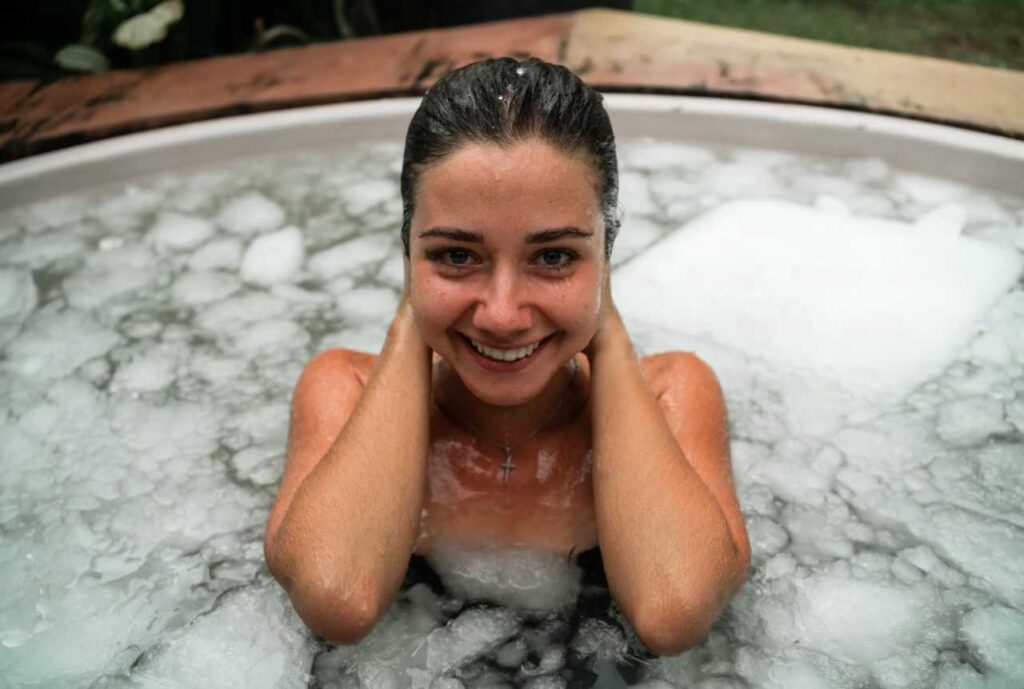
The search for longevity has fascinated humanity for centuries. From ancient herbal remedies to cutting-edge medical research, people have always sought ways to extend both lifespan and health span. In recent years, one practice has surged in popularity among wellness enthusiasts, athletes, and even longevity researchers: cold plunge therapy. But can immersing yourself in icy water really help slow down aging? Let’s dive in.
The Science of Cold Exposure
Cold water immersion (CWI) isn’t just a trend; it’s grounded in physiology. When you dip into water that’s significantly colder than your body temperature, your system experiences a form of controlled stress. This mild stress activates several beneficial biological responses:
-
Improved Circulation – The shock of cold causes blood vessels to constrict, then expand when you warm up. This process strengthens vascular function and supports heart health.
-
Reduced Inflammation – Cold exposure helps reduce chronic inflammation, a key factor linked to aging and age-related diseases.
-
Hormesis Effect – Like exercise or intermittent fasting, cold plunges induce hormesis, where low-level stress stimulates cellular repair and resilience.
Cold Plunges and Longevity Pathways
Aging is complex, but scientists have identified cellular mechanisms that play central roles—oxidative stress, mitochondrial decline, and inflammation among them. Cold exposure interacts with many of these pathways:
-
Boosting Mitochondria: Repeated cold immersion stimulates the production of mitochondria in cells, enhancing energy efficiency and slowing age-related energy decline.
-
Brown Fat Activation: Cold triggers brown adipose tissue (BAT), which burns calories to generate heat. BAT activity is associated with metabolic health, better insulin sensitivity, and protection against obesity-related aging.
-
Autophagy Support: Some evidence suggests that cold exposure may promote autophagy, the body’s natural “clean-up” process that removes damaged cells—a key factor in healthy aging.
Mental Health and Cognitive Benefits
Longevity isn’t just about adding years to life; it’s about adding quality to those years. Regular cold plunges have been shown to:
-
Increase dopamine levels by up to 250%, boosting mood, focus, and resilience.
-
Reduce anxiety and symptoms of depression by improving stress adaptation.
-
Enhance sleep quality, which is vital for brain repair and cognitive longevity.
Since neurodegenerative diseases like Alzheimer’s are closely tied to inflammation and poor sleep, cold water therapy may offer protective benefits for long-term brain health.
Practical Considerations
While the benefits are promising, cold plunges are not a magic bullet. A few points to keep in mind:
-
Consistency Matters: Just like exercise, the benefits of cold exposure come from regular practice, not a single session.
-
Safety First: Those with heart conditions, high blood pressure, or other medical concerns should consult a doctor before starting.
-
Start Gradually: Beginners may start with 30–60 seconds in moderately cold water before working up to 3–5 minutes in colder temperatures.
Final Thoughts
Can plunging into icy water actually slow aging? While it won’t make you immortal, evidence suggests it supports key longevity mechanisms: lowering inflammation, strengthening mitochondria, boosting mental health, and improving circulation. In combination with a healthy lifestyle—nutritious food, regular exercise, good sleep, and stress management—cold plunge therapy could be a valuable tool for extending both lifespan and vitality.