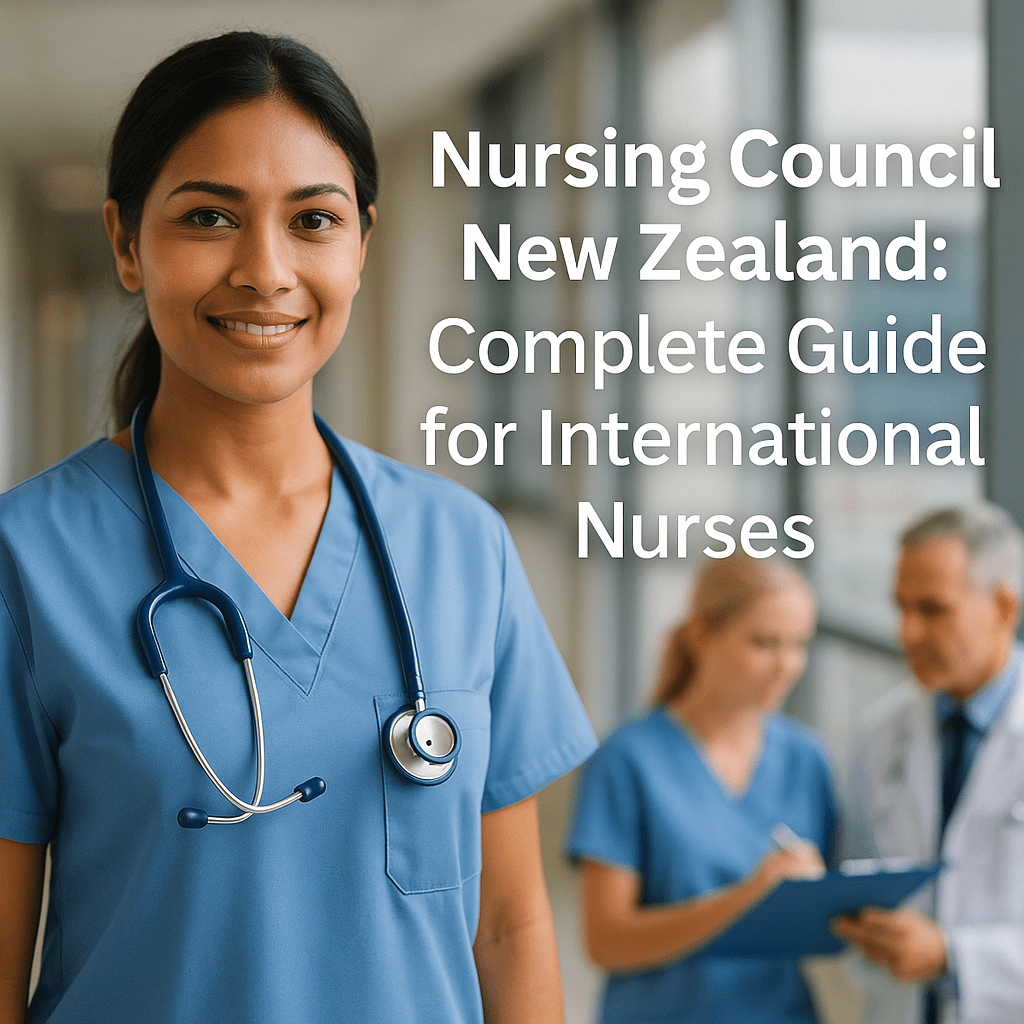
New Zealand has emerged as one of the most sought-after destinations for skilled healthcare professionals, especially nurses. With a strong healthcare system, excellent career opportunities, and a high standard of living, it’s no surprise that many international nurses are considering a move to New Zealand. However, before you can start your nursing career there, you need to meet the Nursing Council New Zealand requirements and ensure you fulfill the NZ Visa Requirements.
This comprehensive guide explains the role of the Nursing Council New Zealand, the registration process for international nurses, and the key visa requirements for relocating to this beautiful country.
Understanding the Role of the Nursing Council New Zealand
The Nursing Council New Zealand (NCNZ) is the regulatory authority responsible for ensuring the safety and quality of nursing practices in the country. It governs the registration, education, and ongoing professional development of nurses.
The Council ensures that all nurses—whether trained in New Zealand or abroad—meet the required competency standards for practicing nursing in the country. Its responsibilities include:
- Registration of Nurses: Overseeing the registration of domestic and international nurses.
- Setting Competency Standards: Ensuring nurses have the skills, knowledge, and ethical foundation to provide safe and effective care.
- Monitoring Professional Practice: Maintaining high standards of nursing care across the healthcare system.
- Issuing Practicing Certificates: Ensuring nurses stay up to date with continuing education and remain fit to practice.
If you are an internationally qualified nurse, you must obtain registration with the Nursing Council New Zealand before you can work in the country.
Steps to Get Registered with the Nursing Council New Zealand
Here is a step-by-step guide to registering as a nurse in New Zealand:
- Self-Assessment
Before starting the application, assess whether you meet the basic eligibility requirements using the Nursing Council’s self-assessment tool.
- Submit an Application
Once eligible, create an account on the Nursing Council New Zealand online portal and complete your registration application.
- Document Verification
The Nursing Council requires primary source verification of your credentials through CGFNS (Commission on Graduates of Foreign Nursing Schools). This includes:
- Nursing qualifications
- Professional license verification
- Employment history
- Language test scores
- Competency Assessment Program (CAP)
If your education or experience doesn’t fully align with New Zealand standards, you may be required to complete a Competency Assessment Program at an approved institution in New Zealand. This program ensures you are familiar with the country’s healthcare system, laws, and nursing practices.
- Practicing Certificate
After completing all requirements and assessments, you will receive your practicing certificate, allowing you to work as a registered nurse in New Zealand.
Understanding the NZ Visa Requirements for Nurses
Once registered with the Nursing Council New Zealand, the next step is to meet the NZ Visa Requirements to live and work in the country.
Common visa options for nurses include:
- Accredited Employer Work Visa (AEWV)
If you have a job offer from an accredited employer in New Zealand, you can apply for this visa. It allows you to live and work in the country for up to 3 years.
- Resident Visa for Skilled Migrants
Qualified nurses are on New Zealand’s Green List of skill shortages, making it easier to apply for residence. This visa pathway allows you to live and work permanently in New Zealand.
- Partnership-Based Visa
If you are moving with your spouse or partner, they can apply for a partnership-based work visa to accompany you.
Key NZ Visa Requirements for Nurses
- A valid job offer from a New Zealand healthcare employer (if applying for a work visa).
- Proof of nursing registration with the Nursing Council New Zealand.
- Health and character checks, including medical certificates and police clearance.
- Evidence of English proficiency, where required.
Benefits of Working as a Nurse in New Zealand
Working as a registered nurse in New Zealand offers multiple advantages:
- Attractive Salary Packages: Competitive pay rates with additional allowances for night shifts and overtime.
- Work-Life Balance: Flexible working hours and a supportive work environment.
- Career Development Opportunities: Access to training programs and pathways for career growth.
- Permanent Residency Options: Opportunities to apply for residence visas, leading to long-term settlement.
- Safe and Inclusive Environment: New Zealand is known for its multicultural and welcoming society.
Tips for a Smooth Application Process
- Start Early: The registration and visa process can take several months.
- Stay Organized: Keep all documents ready, including certified copies and verified credentials.
- Prepare for the English Test: If needed, take preparatory courses for IELTS or OET.
- Seek Professional Help: Immigration advisors can guide you through complex visa processes.
Conclusion
Becoming a registered nurse in New Zealand involves meeting the Nursing Council New Zealand’s requirements and fulfilling the NZ Visa Requirements. While the process may seem challenging, it opens doors to a rewarding career in one of the world’s most advanced healthcare systems.
By ensuring that your credentials are verified, completing any required competency programs, and securing the right visa, you can make your dream of working as a nurse in New Zealand a reality.Whether you’re seeking better career opportunities, a higher quality of life, or a pathway to permanent residency, New Zealand offers an excellent future for international nurses ready to take the next step in their careers.