Choosing the right lotion bottles may seem simple at first, but the details matter more than most teams expect. A bottle does more than hold a product. It protects the formula, supports daily use, and shapes how customers view a brand. When packaging choices go wrong, issues like leaks, cracks, clogs, or fading can show up fast. These mistakes affect quality, safety, and long-term performance. Because of this, brands must take a thoughtful, technical approach when selecting bottles for skincare and personal care products.
Not Testing Compatibility With the Formula
One of the biggest mistakes is skipping compatibility testing. Lotion formulas can include oils, active ingredients, stabilizers, extracts, or high-water content. These elements interact differently with every packaging material. When testing is ignored, brands may face swelling, discoloration, leaks, or a change in product texture.
How to prevent this issue:
- Run basic chemical resistance testing
- Test the formula inside different materials
- Check how the product reacts under heat or cold
- Confirm that pumps and caps work with the lotion’s thickness
Compatibility ensures long-term stability and reduces risk during storage and transport.
Choosing the Wrong Material for the Product
Bottle material shapes durability, weight, cost, and shelf presence. Brands sometimes select materials only based on looks, which can cause headaches later.
Common material types include:
|
Material |
Strengths |
Considerations |
|
PET |
Clear, smooth, lightweight |
Sensitive to strong oils |
|
HDPE |
Strong, flexible,impact-resistant |
Less glossy finish |
|
PP |
Good for caps and closures |
Less clarity for bottles |
|
Glass |
Premium look and strong barrier |
Heavier and breakable |
A smart choice depends on formula needs, shipping demands, and brand goals.
Overlooking Pump and Closure Performance
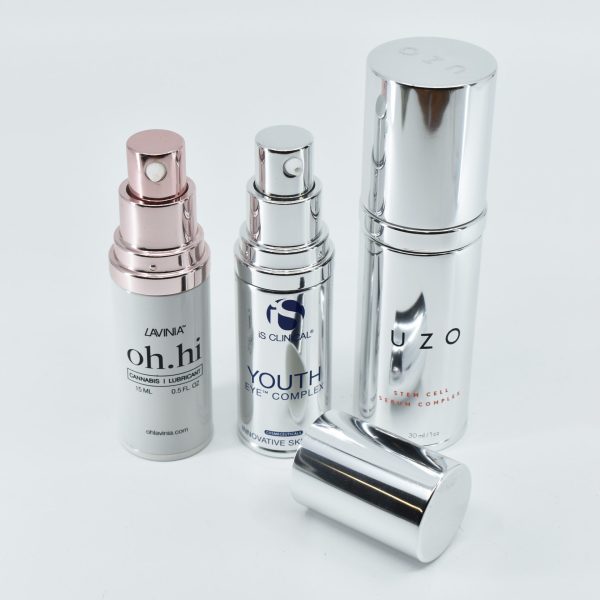
The lotion bottles are only half the story. The closure system affects how the product dispenses and whether the user trusts the packaging. A weak pump can jam or break. A loose cap can leak. A poorly matched neck finish slows down filling lines.
To avoid closure issues:
- Match pump output to lotion thickness
- Check the torque levels of caps
- Test dispensing with real product, not water
- Confirm neck size consistency for automation
These steps help brands avoid customer complaints and filling delays.
Skipping Prototyping and Early Sampling
Skipping prototyping is a costly mistake. A bottle that looks good on a screen may not feel right in real use. Early samples allow teams to test grip, weight, labeling space, and stability.
Why prototypes matter:
- Reveal real-world flaws
- Help test filling and capping
- Show how the bottle sits on shelves
- Support early QA checks
Prototypes help teams fix issues before large-scale production begins.
Ignoring Production and Automation Requirements
Packaging must work smoothly on filling lines. Some brands choose shapes or neck finishes that slow down machinery. This leads to stalled production, wasted product, and higher labor costs.
Automation-friendly considerations:
- Standard neck sizes
- Bottles that stand firm on conveyors
- Closures that align easily
- Designs that avoid tipping during filling
These small details help increase speed and reduce waste.
Focusing Only on Appearance
Looks matter, but design should not overpower functionality. A beautiful shape means nothing if the bottle cracks during shipping or slips from the hand.
Balanced design choices:
- Use shapes that are easy to grip
- Avoid overly narrow bases
- Make room for clear labeling
- Choose colors that resist fading
A good design combines style with durability.
Not Planning for Multi-Format Product Lines
Brands rarely stick to one type of packaging. As a product line grows, it often needs jars, pumps, sprayers, tubes, and other formats. When teams forget long-term planning, new packaging may clash with earlier designs.
This becomes even clearer when they begin working with other components, such as an empty mascara tube, which also needs sizing, testing, and compatibility checks. A unified system makes the whole product line look professional.
Ignoring Growth and Long-Term Scaling Needs
Small batch packaging may not support high-volume production. Custom molds, unusual colors, or rare materials can delay future orders. This becomes a problem when demand grows.
Plan ahead by checking:
- Mold availability
- Long-term resin supply
- Closure compatibility
- Production repeatability
Thinking ahead prevents supply chain issues during expansion.
When Brands Forget About the User Experience
User experience shapes loyalty. If pumps clog, bottles slip, or caps loosen, customers see the product as low-quality, even if the formula is excellent.
User-focused checks include:
- Smooth dispensing
- Comfortable grip
- Leak-proof travel
- Easy one-handed use
These details help products win trust and repeat buyers.
Not Considering the Bigger Packaging Ecosystem
Lotion bottles must work well with labels, cartons, gift sets, and shipping materials. When packaging elements do not align, brands end up with creased labels, tight fits, or unstable boxes. A clear system ensures smooth flow from production to retail shelves.
During scale-up planning, teams also consider other formats like the empty mascara tube, which requires the same level of testing and precision.
Conclusion
Choosing the right lotion bottles takes thoughtful planning, testing, and a clear understanding of how packaging behaves in real-world use. By focusing on material selection, closures, prototyping, automation needs, and long-term scaling, brands can build packaging that performs well from production to customer use. Before launching a new product line, explore custom packaging services that support strong design, smarter engineering, and consistent quality.
FAQs
- What factors should brands consider before choosing lotion bottle packaging?
Brands should look at formula thickness, filling method, closure type, material safety, labeling needs, and long-term supply consistency. These points ensure the bottles work well with both product and production workflow. - Are plastic or glass bottles better for skincare lines?
Both work well, but the choice depends on your target market and product formula. Plastic is lightweight and cost-effective, while glass offers a premium look and is more stable for certain active ingredients. Brands often test both before choosing. - How do custom molds help skincare brands stand out?
Custom molds let brands control shape, grip, wall thickness, and style. This helps build a unique look on the shelf and supports smoother filling and labeling in production. - What is the best way to ensure compatibility between the formula and bottle material?
Compatibility testing is key. It checks whether the lotion reacts with the material, leaks, discolors, or changes texture. This protects product stability and avoids costly packaging recalls. - Can larger brands use the same supplier for bottles and other cosmetic packaging like tubes or jars?
Yes. Working with a single supplier often improves consistency, speeds up prototyping, and reduces delays. It also helps brands maintain a unified design style across different product lines.