Financial institutions today face increasing regulatory complexity, fast-moving digital innovation, and rising consumer scrutiny. Traditional compliance management methods such as spreadsheets, email chains, and isolated systems are no longer sufficient. These manual approaches slow down response times, increase the risk of oversight, and make it harder to maintain consistency across departments. As regulations around data privacy, consumer protection, and cybersecurity continue to evolve, compliance teams must adapt quickly or risk falling behind. Meanwhile, customers expect a fair, transparent, and secure experience, placing additional pressure on compliance operations to meet these expectations.
To remain effective in this environment, banks and financial firms need more intelligent and connected systems that reduce manual effort and enhance oversight. Modern compliance platforms address these challenges by automating tasks, centralizing information, and providing real-time visibility into risk and regulatory requirements.
This blog highlights four pressing compliance management challenges and how technology can help solve them.
4 Critical Compliance Challenges and How Technology Solves Them
1. Regulatory Change Fatigue
Compliance teams are under constant pressure to stay ahead of an ever-expanding list of regulatory updates. These changes often span data privacy, cybersecurity, consumer protection, and sector-specific mandates. When institutions rely on manual methods, such as spreadsheets or scattered email alerts, to monitor changes, the risk of missing critical updates increases. This lag can lead to noncompliance, costly fines, or reputational damage.
Modern compliance management systems ease this burden by centralizing regulatory intelligence. These systems aggregate updates from multiple jurisdictions, automatically assess their relevance, and align them with internal policies and procedures. Task automation helps teams assign ownership and track progress, ensuring that no requirements slip through the cracks. With real-time visibility into regulatory developments, organizations can respond faster, reduce audit risk, and maintain better compliance readiness.
2. Innovation Outpacing Compliance
As financial institutions introduce new digital services, products, and technologies — ranging from AI-driven tools to blockchain applications—they often encounter a disconnect between innovation and compliance. Outdated compliance management frameworks may not be able to accommodate new operational models, which can slow down deployment, introduce risk, or trigger regulatory scrutiny.
Cloud-based financial services compliance software is designed to close this gap. These platforms provide scalable infrastructure and configurable workflows that quickly adapt to new technologies or regulatory changes. Instead of retrofitting old processes, institutions can create custom compliance procedures tailored to the innovation at hand. Built-in automation tools support ongoing monitoring and real-time risk assessments, enabling compliance to evolve in tandem with business growth. This adaptability ensures that institutions can embrace innovation without sacrificing regulatory rigor.
3. Rising Consumer Protection Expectations
Increased regulatory focus on consumer protection has made transparency, fairness, and responsiveness key compliance priorities. However, many banks still manage disclosures, complaints, and fairness reviews through disjointed systems. This fragmentation leads to inconsistent customer communication, slow response times, and missed signals that may indicate more significant compliance issues.
Integrated compliance management platforms bring all consumer-related activities into a unified workflow. From issuing product disclosures to handling complaints and reviewing AI-driven decisions for fairness, these systems ensure consistency and traceability. Document tracking features enable institutions to maintain comprehensive records of customer interactions, while automated workflows direct issues to the relevant teams for resolution. This structured approach not only improves customer experience but also strengthens oversight and accountability.
4. Data Privacy Documentation Gaps
Data privacy regulations, such as GDPR and CCPA, require financial institutions to document how personal data is collected, stored, used, and shared. Managing these records across disparate tools and teams can be inefficient and prone to errors. Incomplete documentation increases the risk of non-compliance, especially during audits or incident responses.
A centralized system addresses these challenges by consolidating all privacy-related data and processes on a single platform. Institutions can easily track consent, access rights, data minimization practices, and usage logs. This centralized approach simplifies compliance management reporting, supports faster response to privacy inquiries, and reduces the likelihood of regulatory violations. It also enhances data governance, providing compliance teams with the visibility and control they need to manage privacy obligations effectively.
Stay Ahead of 2025 Challenges with Predict360 Compliance Management Software
The challenges explored in this blog, regulatory change fatigue, outdated frameworks, growing consumer expectations, and fragmented privacy documentation highlight a critical need for modernized compliance management operations. Predict360 Compliance Management Software addresses this need by providing a centralized, automated platform designed to meet today’s regulatory demands with speed and precision.
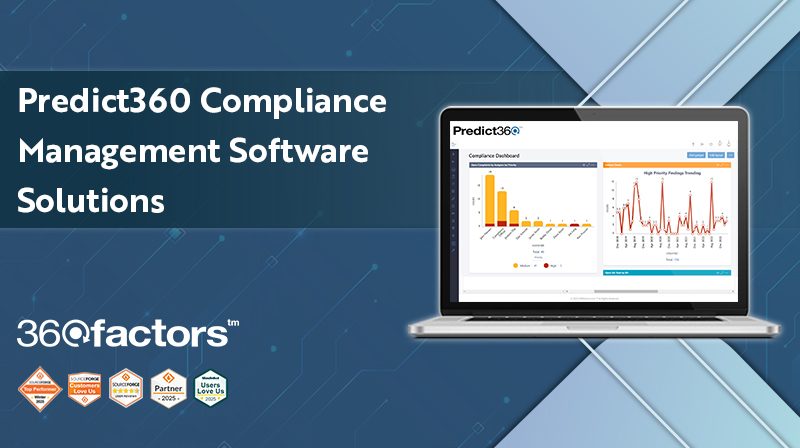
This solution consolidates all compliance-related tasks, policies, and documents into a single platform, eliminating silos and reducing the risk of oversight. Real-time dashboards provide clear visibility into compliance status and emerging risks, enabling teams to make faster, more informed decisions. Automated workflows streamline compliance activities, minimize manual effort, and improve accountability across departments.