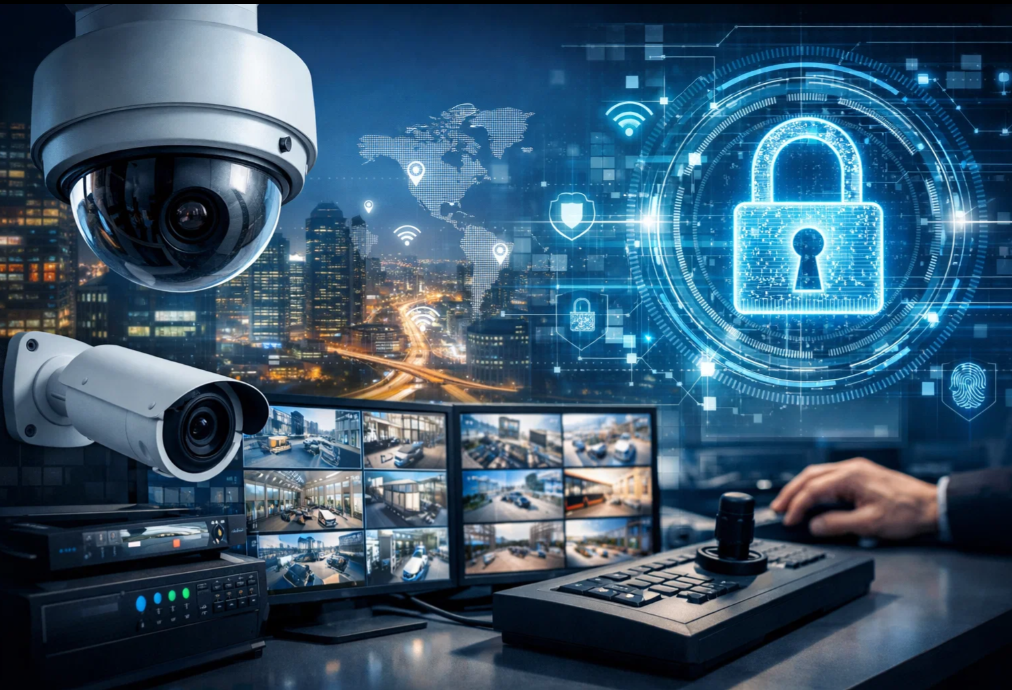
In today’s competitive business environment, security is crucial for protecting assets, personnel, and customers. With evolving threats and challenges, traditional security measures often aren’t enough to provide comprehensive protection. As a result, businesses are increasingly turning to advanced video surveillance systems that offer enhanced security features. These modern solutions provide far more than just basic monitoring—they play a vital role in streamlining operations, improving safety, and offering valuable data for businesses.
The Evolution of Video Surveillance Technology
Video surveillance has long been a core component of business security strategies, but with advancements in digital technology, the role of video surveillance has dramatically shifted. Older, traditional systems are being replaced with digital technologies that offer higher resolution, greater reliability, and convenient remote access.
In the past, analog cameras provided basic surveillance with limited quality and storage. However, today’s digital systems allow businesses to monitor live footage from anywhere using devices like smartphones, computers, or tablets. This added flexibility means that businesses can respond to security threats faster, regardless of their location. Additionally, the superior quality of modern video systems provides clearer, more detailed images, making it easier to identify incidents and prevent crimes.
Features of Modern Video Surveillance Systems
Today’s video surveillance systems come with a wide array of advanced features, including motion detection, cloud-based storage, facial recognition, and artificial intelligence (AI). These features provide businesses with enhanced security while helping them operate more efficiently.
-
Motion Detection and Real-Time Alerts
One of the most beneficial advancements in video surveillance is the ability to detect movement and automatically alert security teams or management when unusual activity occurs. If someone enters a restricted area or triggers a sensor, the system can immediately notify key personnel. This quick response capability is crucial for preventing incidents such as break-ins or unauthorized access to sensitive areas. -
Facial Recognition and Identification
Facial recognition technology is a major advancement in video surveillance. With this feature, businesses can automatically identify individuals entering or exiting their premises based on their facial features. This is especially useful for tracking employees, identifying unauthorized individuals, or ensuring only authorized personnel can access high-security areas. -
AI-Powered Video Analytics
Artificial intelligence is transforming video surveillance by making systems smarter. AI-based surveillance systems can analyze video footage in real-time, identifying behaviors and actions that may indicate a security risk, such as someone loitering, entering a restricted area, or bypassing security measures. This kind of intelligent surveillance can help businesses respond proactively to security threats and reduce the need for constant manual monitoring. -
Cloud Storage and Remote Access
Cloud-based video surveillance offers many advantages, including secure off-site storage, remote access, and scalability. With cloud storage, businesses can ensure that footage is protected from tampering or damage. This also makes it easy for authorized personnel to access video feeds from anywhere, increasing the flexibility and responsiveness of security teams. Furthermore, cloud storage reduces the need for physical storage devices, which can be costly and vulnerable to theft or damage.
Protecting Assets, Employees, and Customers
Video surveillance systems do more than just deter crime—they help businesses create a safer environment for employees and customers alike. By improving security, businesses not only reduce the risk of theft and vandalism, but they also boost customer confidence and employee safety.
-
Crime Prevention and Deterrence
The visibility of video surveillance cameras serves as a deterrent to criminal behavior. Numerous studies have shown that businesses with visible cameras are less likely to experience incidents such as theft, vandalism, or break-ins. The mere presence of these security measures sends a message to potential criminals that their actions are being monitored, which can significantly reduce the likelihood of criminal activity. -
Ensuring Employee Safety
For businesses in high-risk environments, such as manufacturing plants or warehouses, video surveillance is critical for ensuring that safety procedures are being followed. Surveillance cameras can monitor areas for accidents or dangerous behaviors, alerting management to any safety violations. In case of an incident, having video evidence helps clarify what happened and ensures proper responses to workplace injuries. -
Building Customer Trust
Security cameras also help build trust with customers. Whether in a retail environment, office building, or hospitality venue, customers feel safer knowing their personal belongings and safety are being actively monitored. Video surveillance also allows businesses to quickly resolve customer complaints or incidents, providing a level of transparency that helps maintain a strong relationship with their clientele.
Compliance with Industry Regulations
In certain industries, such as healthcare and finance, businesses are required to implement specific security measures to protect sensitive data or assets. Video surveillance plays a key role in meeting these regulatory requirements, ensuring that businesses comply with legal standards and maintain the integrity of their operations.
-
Healthcare Compliance
Healthcare facilities, for example, must comply with strict regulations around patient confidentiality and the safety of medical equipment. Video surveillance systems help ensure that unauthorized individuals do not access restricted areas, like pharmacies or patient rooms. Additionally, surveillance footage provides a way to monitor for potential breaches of security, which is crucial for maintaining compliance with laws such as HIPAA (Health Insurance Portability and Accountability Act). -
Financial and Retail Security
Financial institutions and retail businesses also rely on video surveillance to protect assets and prevent fraud. Many regulations require businesses in these sectors to have robust security systems in place, which often includes surveillance cameras in key areas. Video footage can serve as essential evidence in legal disputes or investigations, helping businesses resolve issues more quickly and accurately.
Conclusion
As security challenges continue to evolve, businesses must adapt by investing in the latest technology to protect their assets, employees, and customers. Advanced video surveillance systems offer an invaluable layer of security, providing real-time monitoring, intelligent analytics, and secure storage options. Features like motion detection, facial recognition, AI analytics, and cloud integration not only improve security but also streamline operations and reduce the need for manual intervention.
By leveraging these cutting-edge systems, businesses can enhance their security infrastructure, comply with industry regulations, and build trust with customers and employees. Ultimately, investing in video surveillance technology is not just a smart business decision—it is a critical step in safeguarding the future of the organization.