In the digital world, a website is often the first point of interaction between a business and its audience. To make a strong impression, a website must be both visually appealing and functional. This balance is achieved through the collaboration of web page design and development. Design ensures that the site is attractive, while development ensures that it operates smoothly.
In this article, we will explore how web page design and development work together to create websites that engage visitors and provide a seamless user experience.
1. The Role of Web Page Design in Visual Appeal
Web page design is all about creating a website that is visually appealing and easy to navigate. This involves selecting the right colours, fonts, images, and layouts that align with the brand’s identity and appeal to its target audience.
Good web design focuses on user experience (UX), ensuring that the site is not only attractive but also intuitive. When users visit a website, they should be able to easily find the information they need and interact with the content without frustration. This is achieved by careful planning of the layout, navigation, and use of visual elements.
Key Elements of Effective Web Page Design
- Consistency – A consistent design across all pages helps in creating a cohesive and professional look. Consistent colours, fonts, and spacing make the website easier to navigate and more visually appealing.
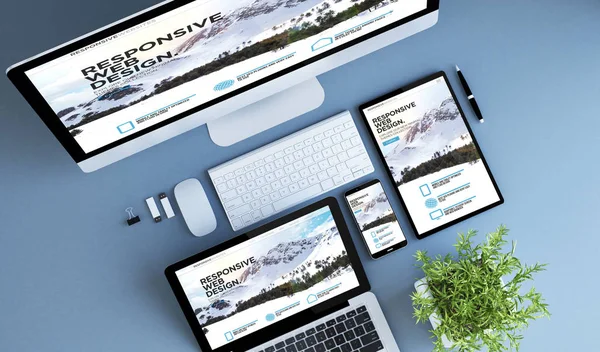
- Responsive Design – In today’s mobile-driven world, ensuring that a website looks good on all devices is essential. Responsive design means that the site automatically adjusts its layout to fit different screen sizes, from smartphones to desktops.
- Readability – The choice of fonts, text size, and spacing all impact the readability of a website. Designers should prioritise clear and legible text to improve user experience.
- Visual Hierarchy – By strategically placing important elements like headings, buttons, and images, designers guide users’ attention to key information on the page. This ensures that visitors focus on the most important content first.
- Colour Scheme – Colours evoke emotions and can influence a user’s perception of a brand. A well-chosen colour palette can make the website visually appealing and help communicate the brand’s message.
2. The Role of Web Page Development in Functionality
While web design focuses on aesthetics, web development ensures that the website functions properly. Developers take the visual concepts created by designers and turn them into a working website using coding languages like HTML, CSS, and JavaScript.
Web development covers everything from making sure that links and buttons work, to ensuring that the site is secure and loads quickly. A well-developed website should provide a seamless experience for users, without glitches or slow loading times.
Key Elements of Effective Web Page Development
- Performance Optimisation – Speed is a critical factor in web development. If a website takes too long to load, users are likely to leave before exploring it. Developers optimise performance by reducing file sizes, compressing images, and using efficient coding practices.
- Security – Security is a top priority in web development. Developers ensure that websites are protected from cyber threats, such as hacking or data breaches, by implementing encryption, secure login systems, and regular updates.
- Cross-Browser Compatibility – Users access websites from various browsers, such as Chrome, Firefox, and Safari. Web developers must ensure that the website works well on all browsers to provide a consistent experience for all users.
- Search Engine Optimisation (SEO) – Developers play a crucial role in making a website search-engine friendly. This involves using clean code, creating a logical site structure, and optimising the website for faster load times, all of which contribute to better rankings on search engines.
- Content Management Systems (CMS) – A CMS, like WordPress or Shopify, allows businesses to update and manage their website content easily. Developers customise these systems to meet the specific needs of the business while ensuring that the website remains functional and user-friendly.
3. Collaboration Between Design and Development
For a website to be successful, there must be strong collaboration between the design and development teams. Designers and developers need to work together to ensure that the website’s visual elements align with its technical requirements.
Without proper collaboration, the website could end up looking great but functioning poorly, or vice versa. When both teams work closely, they can create a website that is not only visually appealing but also highly functional.
A key aspect of this collaboration is communication. Designers need to provide developers with clear guidelines on how the website should look and behave, while developers must ensure that the design is achievable within the technical constraints.
4. The Impact of Web Page Design and Development on SEO
Search engine optimisation (SEO) is an essential aspect of any website, as it determines how easily users can find the site through search engines like Google. Both web page design and development play a role in improving SEO.
From a design perspective, creating an intuitive and user-friendly layout can reduce bounce rates, as users are more likely to stay on a website that is easy to navigate. The use of proper headings, alt text for images, and clean URLs also helps search engines understand the content of the page.
On the development side, ensuring that the website is mobile-friendly, has fast loading times, and is secure contributes to higher search rankings. Developers can also optimise the website’s code and structure to make it easier for search engines to crawl and index the site.
By combining strong design and development practices, businesses can create websites that not only attract users but also perform well in search results. To learn more about how you can improve your website’s design and functionality, consider reaching out to experts like Pick My SEO.
5. The Importance of User Experience (UX)
The success of a website largely depends on the user experience (UX) it provides. If a website is difficult to navigate or doesn’t function as expected, users are likely to leave and never return. Good UX involves designing a website that meets the needs of its users, making it easy for them to find information, complete tasks, and engage with the content.
Both web page design and development contribute to creating a positive user experience. Designers focus on the aesthetics and layout, while developers ensure that the website functions smoothly. Together, they create a website that not only looks good but also provides a seamless and enjoyable experience for visitors.
Conclusion
In today’s competitive digital landscape, a website must be both visually appealing and highly functional to succeed. Web page design and development work together to achieve this balance, with designers focusing on aesthetics and developers ensuring functionality.
By collaborating closely, design and development teams can create websites that provide an excellent user experience, perform well in search engines, and effectively represent the brand. For businesses looking to enhance their online presence, working with experts like Pick My SEO can ensure that your website is built to attract and engage visitors while delivering top-notch performance.