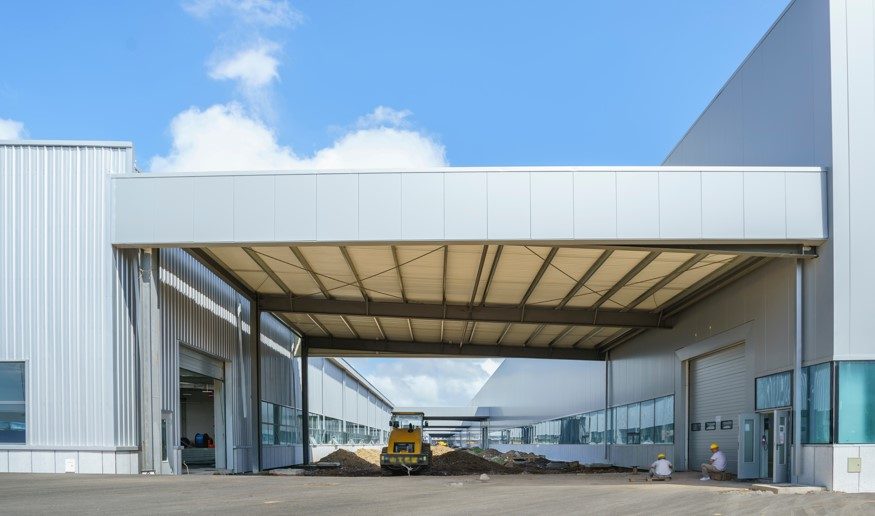
Australia’s weather can shift dramatically from one region to another, and those changes have a big influence on how industrial sheds are planned and built. The humid tropics in Queensland, the dry inland areas of Western Australia, and the cooler parts of Victoria and Tasmania all bring their own set of challenges. Whether the goal is the construction of commercial sheds for warehousing, manufacturing, or agricultural storage, understanding how climate affects design helps create sheds that stay strong, safe, and efficient for years.
Understanding Australia’s Climate Diversity
Australia covers several climate zones, including tropical, arid, temperate, and alpine. Each zone presents its own requirements for industrial shed design. Temperature swings, moisture levels, strong winds, intense rainfall, and coastal conditions all affect how a shed performs over time. A shed in northern Queensland needs to handle humidity and heavy rain, while a shed in central Australia has to face high temperatures and frequent dust.
Designers and builders adjust their approach based on these factors. When weather is considered early, the risk of damage, unexpected repairs, and uncomfortable working conditions is significantly reduced.
The Impact of Temperature Extremes
Temperature changes are among the biggest challenges for industrial sheds in Australia. Some regions see summer temperatures above 40°C, while winter nights can drop far below comfortable levels. These shifts affect how materials behave and how the industrial shed design functions:
1. Thermal Expansion and Contraction
Metal expands in heat and contracts in cold conditions. If this natural movement isn’t considered during planning, panels may warp, leaks may appear, or frames may experience stress. The use of expansion joints, flexible fasteners, and reliable fixings helps the shed move safely without losing strength.
2. Insulation and Ventilation
Temperature control inside the shed matters, especially for machinery or sensitive goods. Sound insulation, such as insulated panels or foil-backed products, helps keep conditions stable. Ventilation through roof vents or louvres prevents heat buildup, supports a more comfortable work environment, and lowers cooling costs.
3. Roof Design and Reflective Coatings
In warmer regions, light-coloured roofing and reflective coatings help reduce heat absorption, keeping interiors cooler. A well-designed roof pitch encourages airflow and prevents hot air from sitting near the ceiling.
The Role of Wind Loads and Cyclonic Conditions
Strong winds are a major consideration in coastal and northern regions of Australia. Cyclonic events can exert extreme pressure on structures, which is why sheds in these locations must comply with the Australian Building Codes Board (ABCB) wind classification requirements.
1. Structural Reinforcement
Industrial sheds in high-wind or cyclone-prone zones need stronger frames, tighter anchoring, and reinforced wall systems. Cross-bracing, tie-down points, and solid footings help the structure stay stable during storms.
2. Aerodynamic Design
The shape of the shed affects how the wind moves around it. Curved or sloped roofs help reduce pressure on the structure more easily. Well-designed eaves, gutters, and overhangs also prevent wind uplift.
3. Secure Openings
Openings are often the weakest points during strong winds. Doors, rollers, and windows need features that keep them in place during gusty weather, such as reinforced guides or wind-locking mechanisms.
Rainfall and Drainage Management
Rainfall varies greatly across the country. Some regions receive heavy downpours, while others stay dry for long periods. For sheds located in wetter areas, proper drainage and water management are essential.
1. Roof Pitch and Guttering Systems
Roofs should be designed with an adequate pitch to facilitate efficient water run-off. A suitable roof pitch encourages water to run off quickly. Steeper angles work well in areas with frequent rainfall. High-capacity gutters and downpipes efficiently move water away from the shed, reducing the risk of leaks and overflow.
2. Stormwater Drainage
The site layout should direct stormwater away from the building. Poor drainage can damage foundations, cause soil erosion, or lead to corrosion in steel components.
3. Waterproofing and Sealing
Sealing joints, windows, and cladding helps keep moisture out. This is especially important in tropical areas, where rain and humidity often coincide, accelerating the deterioration of materials, such as mould growth.
Managing Humidity and Moisture
Humidity is a problem for many coastal and tropical parts of Australia. High moisture levels can lead to rust, mould, and damage to stored goods.
To mitigate these risks, shed designs should incorporate:
- Using corrosion-resistant materials such as galvanised steel or coated cladding
- Installing ventilation systems that encourage airflow and reduce condensation
- Sealing gaps and cracks to limit moisture infiltration.
In coastal regions, extra anti-corrosive treatments extend the lifespan of the shed’s components.
Dust, Bushfires, and Other Environmental Hazards
1. Dust and Arid Conditions
In Australia’s desert and mining regions, industrial sheds face challenges due to common dust storms. Fine particles can clog ventilation systems, affect machinery, and reduce air quality. Filtration systems and thoughtfully planned entry points help limit dust inside the shed.
2. Bushfire-Resistant Design
Sheds in bushfire-prone areas must comply with Australian Standard AS 3959 and follow strict building standards. Fire-resistant cladding, ember-proof vents, and non-combustible materials help reduce the risk of ignition. Keeping vegetation cleared around the shed also lowers fire risk.
Energy Efficiency and Climate Adaptation
Climate affects how much energy a shed will use. Hot regions may rely heavily on cooling equipment, while cooler areas need consistent heating. Adding energy-efficient features during the design stage helps reduce running costs and supports long-term comfort.
Some effective strategies include:
- Natural lighting through skylights or translucent panels reduces reliance on artificial lighting.
- Harnessing solar energy through solar panels for powering lighting and equipment in Australia’s sunny regions.
- Quality insulation to reduce the need for extensive heating or cooling systems.
Regional Design Considerations
Since each region has different conditions, a custom shed design should follow local requirements.
- Tropical North: strong ventilation, corrosion resistance, cyclone-ready construction
- Coastal Areas: materials that withstand salt exposure, sealed layouts to reduce moisture
- Arid Interior: dust control, insulation to manage extreme heat
- Southern States: insulation for colder months, moisture control during wet winters
Conclusion
Weather plays a major role in how industrial and commercial sheds are designed across Australia. From heatwaves and heavy rain to strong winds and bushfires, every environmental factor influences how a shed should be built. A well-planned shed protects assets, supports productivity, and remains dependable through changing conditions.
When businesses understand local weather patterns and design their sheds to match those conditions, their sheds remain durable, comfortable, and efficient for many years. Choosing climate-appropriate design is no longer just a building requirement. It’s a practical decision that supports long-term success in Australia’s challenging and diverse environments.