Your home is one of your biggest investments, and keeping it safe from plumbing problems is an important part of protecting that investment. Blocked drains and leaks might look like simple issues at first, but they can quickly create stress, damage, and unexpected repair bills. The good news is that with the right habits and a little knowledge, you can prevent most plumbing problems before they even start.
This guide explains the early warning signs, the common causes, and the best ways to keep your plumbing system healthy all year round.
What Are the Early Signs of a Blocked Drain?
A drain doesn’t suddenly become fully blocked. It gives you small warning signs, such as:
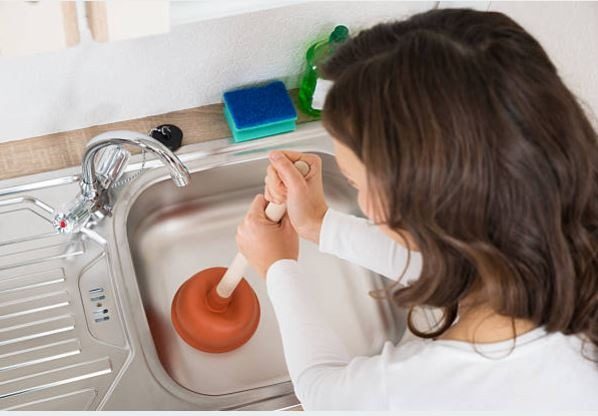
- Slow draining water in the kitchen or bathroom
- Gurgling or bubbling sounds when water goes down
- Water rising back up in sinks or toilets
- Strong odours coming from the drains
- Water pooling around outdoor drains
These early symptoms shouldn’t be ignored. Fixing a minor blockage is quick and inexpensive. But if the issue grows, it can lead to burst pipes, flooding, or water damage.
Why Do Drains Get Blocked in Australian Homes?
Australian homes, especially older properties and expanding suburbs, deal with a mix of modern waste habits and ageing pipes. The main causes of blockages include:
-
Kitchen Waste: Food scraps, oil, butter, and grease easily stick to pipes and build up over time.
-
Bathroom Build-Up: Hair, toothpaste residue, and soap scum are some of the biggest culprits in bathroom drains.
-
Outdoor Factors: Tree roots searching for moisture can enter and block underground pipes.
-
Incorrect Flushing Habits: Items like wipes, nappies, paper towels, and sanitary products should never be flushed.
-
Stormwater Issues: Leaves and dirt can clog outdoor drains, especially after heavy rain.
Understanding these causes helps you prevent them and protect your plumbing.
How Can You Prevent Blocked Drains at Home?
Prevention is always easier and much cheaper than repairs. Here are simple day-to-day habits you can start using now:
-
Use Drain Covers or Strainers: These catch hair and food particles before they enter the pipes.
-
Stop Pouring Grease Down the Sink: Instead, let fats cool in a container and throw them in the bin.
-
Flush With Hot Water: Running hot water after doing dishes helps break down residue.
-
Dispose of Bathroom Products Correctly: Even if the packaging says “flushable”, it often isn’t.
-
Keep Outdoor Drains Clear: Remove leaves and debris regularly, especially during storm season.
-
Schedule Annual Plumbing Maintenance: Routine checks can help detect hidden issues before they become major problems.
What Causes Leaks and How Can You Spot Them Early?
Leaks can form from a variety of issues, including worn-out seals, cracked pipes, rust, poor installation, or high water pressure. Here are early signs to look out for:
- Dampness on walls or ceilings
- Mouldy smells or visible mould spots
- Sudden spikes in water bills
- Dripping taps or noisy pipes
- Water stains or soft patches on floors
The earlier you recognise these signs, the less damage your home will face.
How Do Leaks Affect Your Home If Ignored?
A small leak today can become a big problem tomorrow. Ignoring leaks may lead to:
- Structural damage to walls and floors
- Mould growth that affects air quality
- Damaged electrical wiring
- Higher water bills
- Flooding during heavy rain
- Weakening of the home’s foundation in severe cases
Protecting your dream home means taking leaks seriously from the start.
How Can You Protect Your Home from Water Damage?
Here are practical and effective ways to safeguard your home:
-
Fix Small Issues Immediately: A simple dripping tap can waste thousands of litres each year.
-
Check the Bathroom and Kitchen Regularly: These are the most common areas for leaks and blockages.
-
Inspect Your Outdoor Plumbing: Check garden taps, irrigation pipes, and stormwater drains often.
-
Reduce Water Pressure if Needed: High pressure creates stress on pipes and fittings.
-
Know Your Main Water Valve Location: Turning it off during an emergency can prevent flooding.
When Should You Call a Professional Plumber?
DIY solutions are fine for minor issues, but some problems require an expert. You should call a plumber when:
- Drains remain slow even after cleaning
- You hear banging or unusual pipe noises
- There’s water pooling around fixtures
- Toilets gurgle or backflow occurs
- You notice a sudden drop in water pressure
- A leak returns even after a temporary fix
For homeowners nearby, contacting a local plumber in Mawson Lakes ensures fast service and reduced downtime.
Conclusion
Blocked drains and leaks can cause major damage if left untreated, but with the right habits and regular maintenance, you can keep your dream home safe and running smoothly. By watching for early signs, following simple prevention tips, and getting expert help when needed, you’re protecting both your home and your peace of mind.
And when you want friendly, fast, and reliable plumbing support, Distinct Plumbing is a trusted name Australian homeowners rely on for expert solutions that keep water flowing exactly where it should, every single day. Need help right now? Contact experts today for quick, professional service you can count on.