
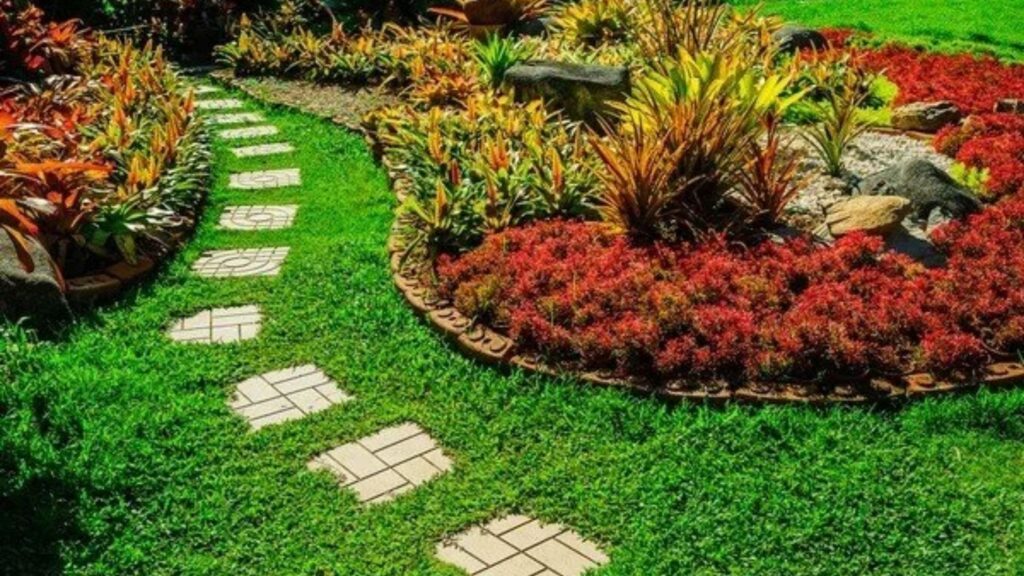
Coastal living has its charm. Fresh sea air, soft breezes, and long summers make Martha’s Vineyard a place unlike any other. Yet those same elements can be tough on lawns and gardens. Salt spray, sandy soil, and strong winds leave their mark. Homeowners often need more care than usual to keep yards looking fresh and green. That is where good Martha’s Vineyard landscaping practices step in.
Know Your Soil
Soil forms the base of a healthy yard. On the island, many areas have sandy ground. Sand drains fast but holds little food for grass or plants. Before planting, check soil health. A simple test kit can show what is missing. Often it is organic matter or key minerals. Add compost or natural mulch to build strength. Rich soil helps roots stay strong even when winds dry the top layer.
Pick Plants That Like the Coast
Not every plant loves salty air. Roses or tender flowers may struggle if placed near open shorelines. Pick hardy plants that grow well in coastal settings. Grasses such as fescue and rye are good choices. For shrubs, bayberry, inkberry, or hydrangea can thrive. Native plants are even better. They already know how to handle the local weather. Plus, they need less water and less work to stay healthy.
Smart Watering
Salt spray and dry winds pull water from the soil. Grass often loses moisture quicker here than it does in inland areas. Deep watering a few times each week is better than light watering every day. The goal is to let roots grow deep. Strong roots can reach water stored below. Drip systems or soaker hoses save water while giving plants steady moisture. Early morning is the best time. Less water gets lost to heat or wind.
Protect Against Salt
Salt spray drifts across yards close to the sea. It coats leaves and seeps into soil. Too much salt burns plants and stops growth. Give plants a quick rinse to clear salt off their leaves after heavy spray. Add mulch around the base of plants to shield roots. Plant salt tolerant shrubs as a natural barrier along edges. Even a hedge line can block some of the salt from reaching fragile plants behind it.
Care for Your Lawn
Grass on Martha’s Vineyard has special needs. Mowing too short stresses it out. Keep grass a bit taller so blades shade the soil and keep moisture in. Sharpen mower blades often for a clean cut. Leave some clippings on the ground. They return nutrients to the soil. Aeration once or twice a year helps roots breathe. It also breaks up soil that may have hardened under foot traffic.
Seasonal Yard Work
Every season brings a new task. Spring is the time to clear away winter debris. Leaves, branches, and damp patches can smother grass. Summer needs steady mowing and watering. Fall is for seeding and feeding. Adding seed fills bare spots before winter cold sets in. Feeding the lawn in fall helps it store energy for fresh spring growth. Winter care means watching for ice or heavy snow on shrubs and trimming back dead wood before storms hit.
Plan for Wind
Wind is a constant part of island life. It dries soil and bends branches. Strong gusts can snap weak limbs. Planting wind resistant trees makes sense. Oaks and pitch pines are better suited than fragile maples. For smaller plants, use stakes or natural barriers to hold them firm. A good design places taller, stronger plants on the outer edges. They form a shield for softer plants inside. Careful planning of trees and shrubs is part of smart landscape design services Martha’s Vineyard experts often provide.
Use Mulch the Right Way
Mulch is more than a pretty layer. It keeps roots cool, holds water, and cuts down weeds. On sandy soil, mulch is vital. Spread it around shrubs and flower beds, but keep it away from trunks or stems. Piled too close, it traps moisture and can rot the plant base. Choose organic mulch that breaks down over time. Each season, top it up to keep a steady layer in place.
Watch for Pests
Coastal yards attract pests. Grubs, beetles, and ticks can be common. They harm roots, chew leaves, or pose health risks. Strong, well-kept grass can fight off pests more easily than weak turf. Keep grass strong with proper care. If pests appear, use safe treatments that target the problem without harming the soil. Birds are natural helpers too. Feeders and birdhouses draw insect eaters like wrens or swallows.
Balance Beauty and Function
A healthy yard is more than looks. It should stand up to kids playing, pets racing around, and the pace of island living. Paths of stone or shell give structure and stop wear on grass. A mix of open lawn and shaded beds keeps the space cool and useful. Adding native plants brings color while helping local pollinators. Balance is key. Too much lawn can mean constant work. Too many beds can be hard to maintain. Plan the yard so it fits the way you live each day.
Work with the Climate, Not Against It
Trying to fight the coastal climate is hard. It makes more sense to work with it. Choose plants that enjoy the salt. Use soil builders that hold water. Create wind blocks that fit into the yard design. Plan care around each season. Simple changes make a big difference over time. The goal is steady growth, not perfection overnight.
Keep It Simple and Steady
Consistency beats big bursts of work. Small tasks done each week keep the yard in shape. Ten minutes of weeding or a light trim can prevent bigger issues later. Even in winter, take a walk around the yard. Spotting broken limbs early means less risk in storms. Care is ongoing, not just a one time job.
Conclusion
Lawns on Martha’s Vineyard require care that works with the coastal climate. Salt, sand, and wind bring special demands, but with the right steps, lawns and gardens can thrive. Soil care, smart watering, strong plant choices, and steady upkeep all work together for lasting health. Homeowners often turn to Bilzerian Tree and Land Services for help. They bring skill and care to every project. Their team provides expert tree care, trimming, and full yard services across the island. With their support, yards stay strong and beautiful season after season.