Investing in the right forklift can transform your warehouse performance, increase safety, and reduce operational costs. But with so many brands, fuel types, sizes, and features on the market, making the right choice can feel overwhelming. Whether you’re expanding your fleet or buying your very first forklift, the key is to match the equipment to your operational demands.
This guide explains the essential factors every business should consider when choosing the right forklift.
1️⃣ Understand Your Operating Environment
Where the forklift will be used greatly influences the type you need.
Indoor Operations
-
Best option: Electric forklifts (no emissions)
-
Benefits: Quiet operation, tight maneuverability
-
Typical environments: Warehouses, retail stores, manufacturing facilities
Outdoor Operations
-
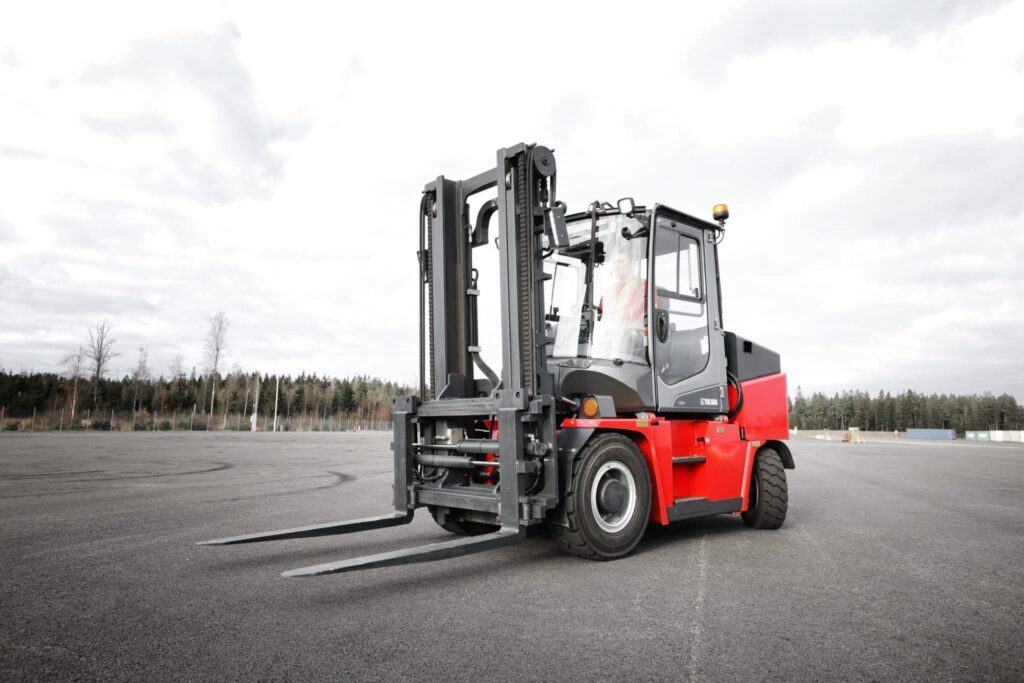
Best option: Diesel or LPG forklifts (more power and durability)
-
Benefits: Handles rough terrain and weather conditions
-
Typical environments: Lumber yards, construction sites, shipping docks
Some businesses require both — in that case, consider dual-fuel or pneumatic-tire trucks for flexibility.
2️⃣ Determine the Required Load Capacity
One of the biggest buying mistakes is selecting a forklift that cannot safely lift your typical load.
Ask yourself:
-
What is the maximum weight you regularly handle?
-
How high do you need to lift it?
-
What is the load shape? (pallets, pipes, boxes, etc.)
Forklifts typically range from 3,000–20,000 lbs. capacity. Choosing a forklift at or slightly above your highest load ensures efficient and safe handling.
3️⃣ Consider the Lift Height & Mast Type
Different warehouses have different height needs:
-
Low-height shelving → Standard mast
-
High-bay racking → Three-stage mast for greater reach
-
Containers and tight spaces → lift mast to work under low ceilings
Measure your ceiling height, racks, and entryways before selecting a lift height.
4️⃣ Choose the Right Tire Type
Tires significantly affect safety and maneuverability.
| Tire Type | Best Use | Key Benefits |
|---|---|---|
| Cushion Tires | Smooth indoor floors | Small turning radius |
| Pneumatic Tires | Outdoor and uneven surfaces | Extra traction |
| Solid Pneumatic Tires | Outdoor with durability | Puncture-proof |
The wrong tires can damage floors or make outdoor handling unsafe — choose wisely.
5️⃣ Fuel Type Matters for Cost & Performance
Here’s a simple breakdown:
| Fuel Type | Pros | Cons |
|---|---|---|
| Electric | Eco-friendly, low noise, low operating cost | Higher upfront cost, requires charging time |
| LPG/Propane | Indoor/outdoor use, quick refuel | Higher fuel cost |
| Diesel | Maximum power for heavy loads | Not suitable for indoor use due to emissions |
Consider long-term fuel and maintenance costs, not just the purchase price.
6️⃣ Ergonomics & Operator Comfort
A comfortable operator is a productive and safe operator. Look for:
-
Adjustable seating
-
Easy-reach controls
-
Clear visibility
-
Smooth steering
-
Low vibration
Improved ergonomics can reduce fatigue-related accidents and downtime.
7️⃣ Safety Features Should Come First
Top safety features include:
-
Backup alarms and cameras
-
Speed control systems
-
Stability management technology
-
Anti-slip steps and guardrails
-
LED safety lighting
Keeping workers safe also keeps operations running efficiently.
8️⃣ New vs. Used vs. Lease Options
Each option has its advantages:
| Option | Best For | Benefits |
|---|---|---|
| New Forklifts | High-demand operations | Latest features, warranty coverage |
| Used Forklifts | Budget-friendly buyers | Lower cost, still reliable for lighter duty |
| Leasing | Seasonal or fluctuating needs | Preserve cash flow, easy upgrades |
Choose based on usage frequency and budget.
9️⃣ Work With a Trusted Dealer
The right dealer supports your business long after purchase. Look for:
-
Local service and maintenance support
-
Transparent pricing
-
Strong warranties
-
Operator training options
-
Quick parts availability
A reliable dealer ensures uptime — which saves money every day.
Final Thoughts
Choosing the right forklift isn’t just a purchase — it’s a strategic investment. By understanding your load requirements, workspace conditions, safety needs, and long-term operational goals, you can select a forklift that improves productivity and keeps your team safe.
Take your time to evaluate these factors, and always consult a reputable forklift dealer for insights tailored to your business.