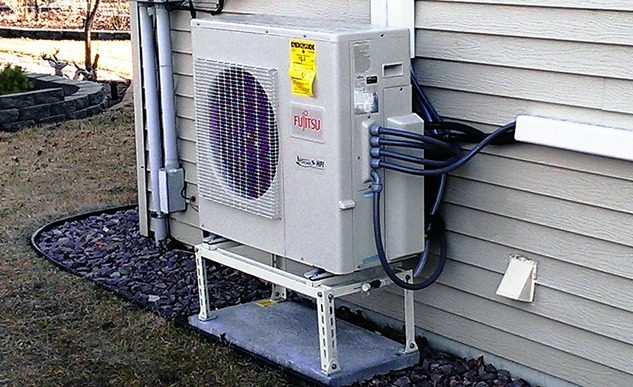
Selecting the right cooling system is a vital decision for any business, whether you are building a new workspace or upgrading outdated equipment. The choice between split and multi-split systems affects comfort levels, energy performance, running costs, and the way your building operates day to day. While both systems are common in commercial settings, they suit different types of properties and requirements. Understanding the differences will help you decide which option offers the most reliable and cost-effective results for your environment.
Understanding Split Commercial Air Conditioning Systems
A split commercial air conditioning system consists of one indoor unit paired with a dedicated outdoor unit, creating a simple and effective cooling solution for individual rooms or compact working areas. Because each unit operates independently, businesses can maintain precise temperature control in specific zones without affecting the rest of the building.
This makes split systems ideal for smaller offices, retail spaces, isolated meeting rooms, and reception areas where cooling needs vary throughout the day. Their straightforward design also makes them reliable, easier to service, and generally quicker to install.
Another advantage is gradual scalability: businesses can add more units over time as layouts change or additional rooms require climate control. For companies that prioritise simplicity, direct control, and flexibility in smaller spaces, split systems offer a dependable and cost-effective choice—especially when paired with professional air conditioning unit installation for long-term performance.

Understanding Multi-Split Commercial Air Conditioning Systems
A multi-split system offers a more advanced approach to commercial cooling by connecting several indoor units to a single outdoor unit. This setup significantly reduces the visual impact on exterior walls and rooftops, making it a smart choice for buildings with limited outdoor space or aesthetic restrictions. Each indoor unit can still be controlled independently, allowing tailored temperatures across multiple rooms such as offices, meeting spaces, corridors, and client areas. Multi-split systems also support various indoor unit styles, enabling businesses to select the best design for each zone. Because several units share one outdoor engine, careful planning is essential to ensure balanced load distribution and efficient performance.
While installation can be more complex than single split systems, the long-term benefits include cleaner exteriors, improved zoning, and coordinated climate control across the building. For larger layouts or businesses seeking refined temperature management, multi-split systems provide a flexible and future-ready solution.
Comparing Split vs Multi-Split Systems: Key Decision Factors
Both system types have clear advantages, and the right choice depends on your building size, zoning needs, and installation constraints. The comparison table below highlights the main differences:
Split vs Multi-Split: Quick Decision Guide
|
Factor |
Split System |
Multi-Split System |
|
Number of Outdoor Units |
One outdoor unit per indoor unit |
One outdoor unit supports multiple indoor units |
|
Best For |
Small rooms, single offices, small retail units |
Multi-room layouts, larger premises, limited outdoor space |
|
Zoning Control |
Individual but only per unit |
Multiple rooms managed independently |
|
Installation Complexity |
Simple and direct |
More complex due to shared pipework |
|
Initial Cost |
Lower for small setups |
Higher due to advanced design |
|
Future Expansion |
Add more units when needed |
Expandable but must stay within outdoor unit capacity |
|
Aesthetic Impact |
Several visible outdoor units |
Cleaner exterior with fewer units |
|
Energy Efficiency |
Efficient for single spaces |
Strong efficiency across multiple rooms |
Installation Considerations for Commercial Properties
Every commercial building has different structural characteristics, so installation requirements play a major role in choosing the most suitable cooling system. These considerations often guide businesses towards split or multi-split configurations:
- Outdoor unit space: Multi-split systems are ideal when exterior walls or rooftop space are limited.
- Pipework routing: Some buildings require longer pipe runs, which can influence energy performance and suitability.
- Electrical capacity: System size and the number of indoor units determine the electrical load required.
- Maintenance access: Both systems need servicing, but multi-split systems may require more detailed checks due to shared components.
- Future building plans: Businesses anticipating expansions, room alterations, or layout changes may prefer systems with straightforward scalability.
During any commercial air conditioning installation, careful evaluation ensures the chosen system aligns with your operational needs today and remains adaptable for future changes.
Cost Considerations and Long-Term Value
The cost difference between split and multi-split systems varies based on equipment size, number of units, installation complexity, and long-term operating requirements.
Split systems generally offer a lower initial cost because the equipment is simpler. They are ideal when only one or two rooms require cooling, or when a staged installation fits the business plan.
Multi-split systems usually involve a higher upfront investment due to shared capacity planning and pipework requirements. However, they can be more cost-effective over time because they support efficient zoning, reduced outdoor equipment, and cleaner exterior layouts.
Other important cost factors include:
- Energy efficiency ratings
- Ease of control and automation
- Servicing frequency
- Potential expansion
- Type of indoor units selected
When reviewing long-term value, the best system is often the one that delivers reliable performance while keeping energy consumption under control.
FAQs
- Which system is more suitable for buildings with several rooms?
A multi-split system is generally more appropriate because it allows individual temperature control across multiple areas using one outdoor unit. - Do split systems remain useful for larger buildings?
They can still be effective for specific rooms, but large buildings usually benefit more from the flexibility offered by multi-split systems. - Are running costs different between the two systems?
Running costs depend on usage patterns, but multi-split systems often provide stronger efficiency when several rooms require consistent cooling.
Conclusion
The choice between split and multi-split systems depends on your building layout, cooling demands, available outdoor space, and long-term planning. Split systems work best for individual rooms or smaller premises, while multi-split systems offer sophisticated zoning for larger spaces and cleaner exterior designs. Careful assessment of installation and operational requirements ensures you select a system that delivers comfort, efficiency, and dependable control throughout your workplace. For tailored professional guidance, Hamilton Air Conditioning Ltd offers trusted expertise in commercial cooling solutions.