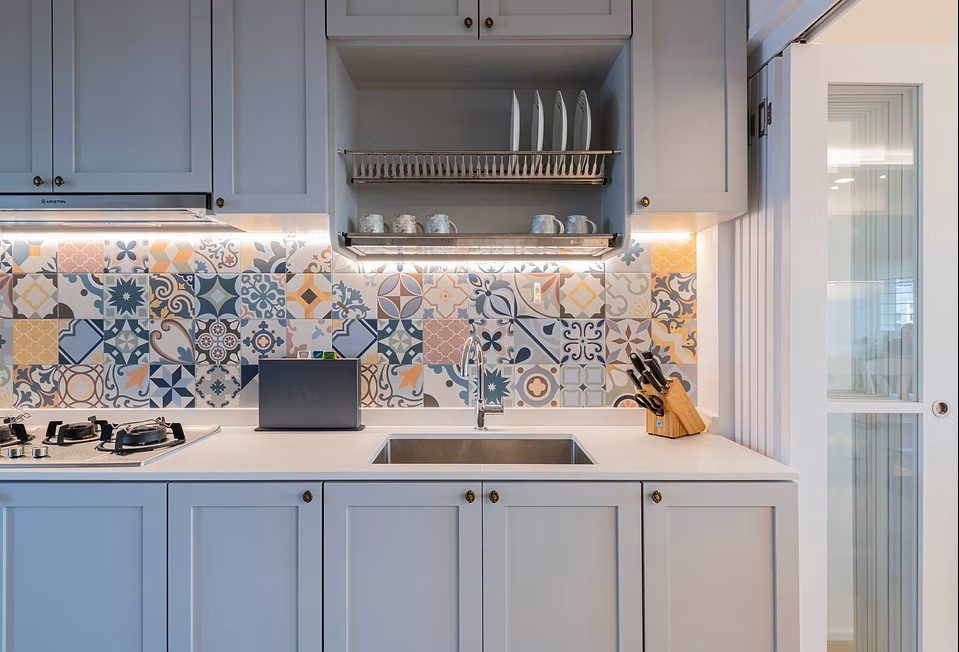
In the world of modern interior design, contrast is a key element. The interplay between light and dark tones doesn’t just add visual interest—it sets the entire mood of a space. When done right, it creates depth, sophistication, and a timeless appeal that defines elegant modern interiors.
Whether you’re designing a luxury condo, a commercial space, or a cozy HDB flat, striking the right balance between light and dark elements can elevate your interiors from ordinary to exceptional. Here’s how to achieve this balance with purpose and finesse.
1. Start with a Neutral Foundation
One of the most effective ways to balance contrasting tones is to use a neutral base. Shades like soft greys, off-whites, and beiges create a calm backdrop that can support both light and dark accents. Neutral tones prevent the space from becoming too stark or too heavy, offering a canvas where contrast can shine without overwhelming the senses.
A commercial interior design company in Singapore typically begins with neutral palettes to accommodate varied business needs, while allowing brand elements to stand out in strategic areas. Similarly, this approach works well in residential settings, where you want both versatility and visual harmony.
2. Use Dark Tones Strategically
Dark colors such as navy, charcoal, deep green, or black add drama and a sense of intimacy to a space. However, they can make a room feel smaller if overused, especially in compact HDB flats.
To maintain elegance:
-
Use dark colors on feature walls, cabinetry, or furniture.
-
Incorporate them in materials like matte-finish wood, velvet, or stone.
-
Pair dark tones with metallic accents—brushed gold or chrome adds a modern edge.
A seasoned HDB interior designer in Singapore knows how to introduce these bold tones without compromising the sense of space. The goal is to create a statement, not saturation.
3. Layer with Light Accents
Balancing darkness with light doesn’t always mean using white. Think about textures and finishes—light oak wood, marble countertops, pale linens, or glass can all act as “light” elements in a room.
For example:
-
If you have a dark kitchen island, offset it with white or cream countertops.
-
Pair a dark sofa with light-colored cushions or throws.
-
Use rugs and artwork to soften darker flooring.
This interplay keeps the design grounded and prevents either tone from dominating.
4. Maximize Natural Light
Natural light is one of the most powerful tools in balancing dark interiors. It softens shadows, adds warmth, and enhances the perception of space.
Use sheer curtains, reflective surfaces, and open layouts to allow as much daylight as possible into your interiors. Mirrors and glass partitions are particularly useful in both residential and commercial interiors to reflect light and create openness.
A commercial interior design company in Singapore might even tailor lighting strategies based on the type of business, ensuring productivity, comfort, and ambiance align with the brand.
5. Consider the Mood You Want to Create
Every space has a purpose, and the balance of light and dark should reflect that intention.
-
In bedrooms, a darker palette may feel cozier and more restful.
-
Living rooms and kitchens often benefit from a brighter, more open aesthetic.
-
In offices or commercial areas, the contrast can be used to subtly direct flow and attention.
Understanding how color affects emotion is crucial in design. The best interiors feel intuitive because the balance has been carefully thought through.
6. Finish with Thoughtful Lighting
Lighting fixtures do more than illuminate—they contribute to your design story. Warm-toned lighting can soften dark elements, while cool-toned LEDs can sharpen a modern aesthetic.
Use a mix of lighting layers:
-
Ambient (ceiling lights or recessed lighting)
-
Task (desk or kitchen lighting)
-
Accent (wall sconces or LED strips)
A layered lighting plan ensures your design looks stunning at all times of day and enhances the interplay of light and dark throughout the space.
Final Thoughts
Balancing light and dark is about contrast, but more importantly, it’s about control. When applied thoughtfully, this design principle can create interiors that feel both modern and inviting.
Whether you’re a homeowner working with a trusted HDB interior designer in Singapore, or a business collaborating with a commercial interior design company in Singapore, the right use of light and dark can define your space—and make a lasting impression.