Introduction
In industrial turbine operations, system reliability is a top priority. Whether powering electric grids or driving critical mechanical processes, gas and steam turbines must perform with precision and consistency. General Electric’s Mark II control system, one of the earliest generations of turbine automation platforms, was designed to meet these demands. A key factor contributing to the system’s longevity and dependable performance is its built-in power supply bus monitoring mechanism.
This article explores the function and importance of power supply bus monitoring in the GE Mark II system, and how it plays a central role in ensuring safe and continuous turbine operation.
Overview of the GE Mark II Control System
The GE Mark II system was among the pioneering digital turbine control platforms developed in the 1970s. It was used primarily for managing gas and steam turbine functions, including start-up sequences, operational performance, safety interlocks, and shutdown procedures.
Unlike modern digital control systems, the Mark II utilized discrete logic and modular circuit boards, each responsible for a specific function. This modular approach allowed for ease of troubleshooting and physical replacement. One such function—often overlooked but absolutely vital—is the monitoring of power supply buses within the control cabinet.
Why Power Supply Bus Monitoring Matters
The control system relies on multiple DC power supply lines—typically ±24V and ±5V—to drive sensors, logic boards, actuators, and relays. These voltages must remain within specified thresholds to ensure accurate data readings and safe turbine operation.
Without proper monitoring, fluctuations or failures in the power supply could go unnoticed, potentially resulting in:
- Unreliable sensor inputs
- False alarms or faulty logic triggers
- Failure of critical safety interlocks
- Unexpected turbine trips or shutdowns
Power supply bus monitoring provides an essential safeguard by continuously checking voltage levels and alerting operators or initiating protective responses when deviations occur.
How Bus Monitoring Works
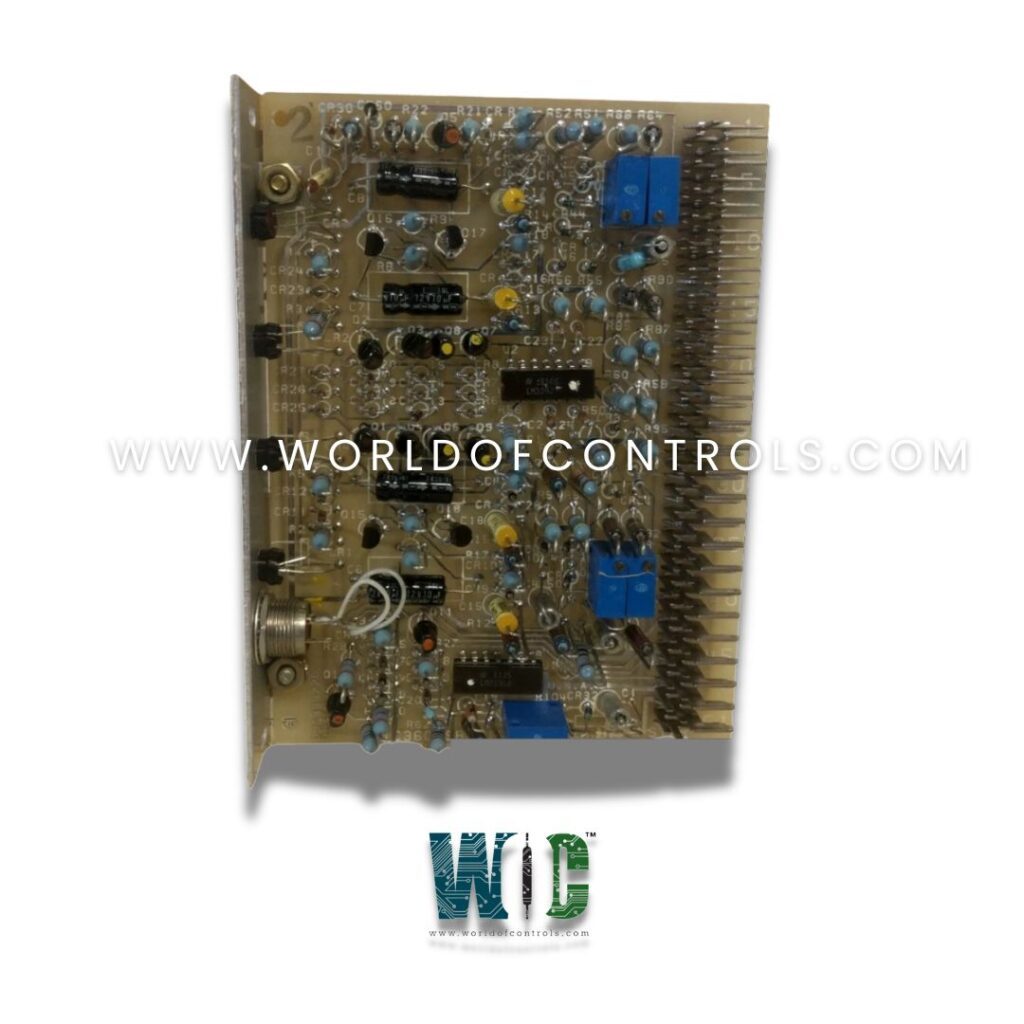
Within the Mark II architecture, a dedicated monitoring board is responsible for supervising the voltages on the DC buses. This board performs several key functions:
1. Voltage Sampling
It continually reads the electrical levels of all DC power buses within the system. These include both positive and negative rails used by various logic and I/O boards.
2. Threshold Comparison
The sampled voltages are compared against predefined acceptable ranges. If any voltage falls outside the designated limits (either too high or too low), the board identifies this as a potential fault.
3. Status Signaling
When an abnormal condition is detected, the board sends a signal to the system logic, which may then trigger an alarm, initiate a controlled shutdown, or activate safety protocols.
4. Failsafe Integration
The power monitoring board is tied into the Mark II’s broader protection logic. This allows for automated responses that prevent hardware damage or unsafe turbine conditions.
Contribution to System Reliability
Power supply bus monitoring significantly enhances the operational reliability and safety of turbine control systems. Here’s how:
Early Fault Detection
Voltage anomalies are often early indicators of deeper electrical issues—such as a failing power supply unit or a short circuit. By identifying these issues early, maintenance teams can take corrective action before a failure escalates.
Reduced Downtime
Preventive alerts help avoid unscheduled turbine trips and costly outages. The system can be inspected and maintained proactively, reducing the likelihood of operational disruptions.
Protection of Sensitive Components
Digital and analog electronics within the Mark II system are sensitive to voltage deviations. Consistent monitoring helps preserve the longevity of these components, reducing wear and unexpected failure.
Sustained Legacy Performance
Despite their age, many Mark II systems are still in use today due to their simplicity and durability. Power supply bus monitoring plays a pivotal role in keeping these systems safe and functional well beyond their expected lifespan.
Modern-Day Relevance in Legacy Systems
While newer GE control platforms like the Mark VI and Mark VIe offer advanced diagnostics and built-in power quality analytics, the Mark II’s simplicity and modularity make it attractive for facilities that prioritize stability and low maintenance.
In these legacy systems, maintaining reliable power supply monitoring is just as important as ever. Facilities often continue to operate original hardware or seek out refurbished or compatible replacement boards to preserve system functionality.
Best Practices for Maintenance
To ensure continued reliability of the power supply monitoring function in GE Mark II systems, operators should follow these maintenance practices:
- Periodic Testing: Regularly verify that all DC supply voltages are within acceptable limits using handheld diagnostic tools.
- Visual Inspections: Inspect monitoring boards for physical wear, corrosion, or component degradation.
- Spare Part Readiness: Keep spare monitoring boards or equivalent modules in inventory to avoid extended downtimes during faults.
- Qualified Suppliers: Source replacement boards or repairs from vendors experienced in legacy GE control systems to maintain compatibility and reliability.
Conclusion
Power supply bus monitoring may be a behind-the-scenes function in turbine control systems, but its impact is far-reaching. In the context of the GE Mark II, this capability provides a vital line of defense against voltage instability, helps detect faults early, and contributes directly to the safe and reliable operation of turbines.
As industries continue to operate legacy control platforms well into the modern era, functions like bus monitoring remain indispensable. By ensuring the stability of the electrical foundation on which all control logic depends, power supply bus monitoring supports not just system uptime—but the safety, efficiency, and longevity of turbine operations.
View More Products