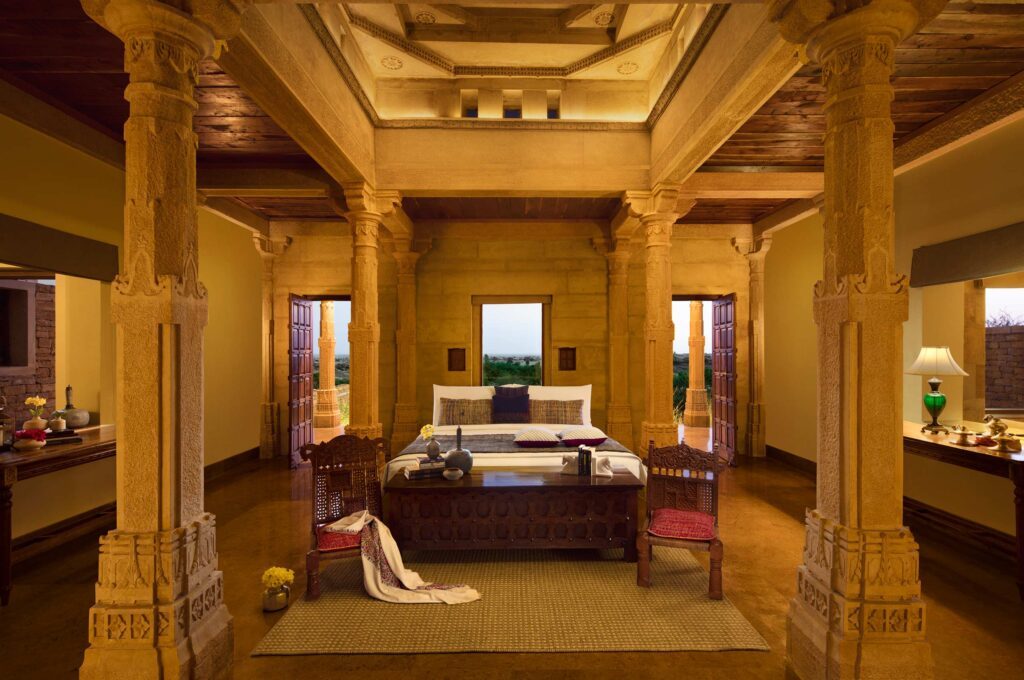
Rajasthan is known worldwide for its grand forts, ornate havelis, and timeless palace architecture. Among its many heritage cities, Jaisalmer stands out as a living museum of golden sandstone design. In recent years, hotels in Jaisalmer have played a crucial role in preserving this architectural legacy—by not only protecting old design principles but also reviving them for modern travelers.
Rather than replacing heritage with glass-and-steel structures, Jaisalmer’s hotels are ensuring that Rajasthan’s architectural soul continues to thrive.
Reviving Traditional Fort & Haveli Architecture
Many hotels in Jaisalmer are inspired by ancient forts and royal havelis. Instead of modern facades, these properties incorporate traditional design features such as:
-
Thick golden sandstone walls
-
Carved jharokhas (balconies)
-
Arched doorways and corridors
-
Inner courtyards for ventilation
-
Decorative jaali (lattice) work
These elements were not only aesthetic but functional—designed to withstand desert heat. By recreating and maintaining these styles, hotels keep centuries-old architectural wisdom alive.
Use of Local Sandstone and Craftsmanship
One of the strongest ways hotels preserve heritage is by using locally sourced yellow sandstone, the same material used in Jaisalmer Fort and historic havelis.
Skilled local artisans are employed for:
-
Stone carving
-
Jaali cutting
-
Ceiling detailing
-
Hand-finished pillars and arches
This approach supports traditional craftsmanship and ensures authenticity, rather than using factory-made designs.
Blending Heritage Design With Modern Comfort
Preservation does not mean sacrificing comfort. Modern hotels in Jaisalmer carefully integrate contemporary amenities while keeping architectural integrity intact.
You’ll often find:
-
Modern climate control hidden within heritage walls
-
Updated bathrooms designed to blend with royal interiors
-
Subtle lighting highlighting stone textures
-
Technology integrated discreetly
This balance allows travelers to enjoy luxury while experiencing genuine heritage architecture.
Adaptive Reuse Instead of Demolition
Several heritage hotels are built by restoring old structures or designing new properties using traditional layouts. Adaptive reuse ensures that architectural styles are not lost to time.
Instead of demolishing heritage elements, hotels:
-
Restore courtyards and facades
-
Preserve original proportions and layouts
-
Use traditional construction techniques
This approach protects visual harmony across the city.
Courtyard-Centric Designs That Respect Desert Climate
Traditional Rajasthani architecture was climate-responsive. Hotels in Jaisalmer continue this practice by using open courtyards that:
-
Allow natural light and airflow
-
Keep interiors cooler
-
Create communal spaces for cultural activities
-
Reduce dependency on artificial cooling
These sustainable layouts highlight how heritage architecture remains relevant even today.
Promoting Cultural Identity Through Design
Architecture is more than structure—it tells a story. Hotels in Jaisalmer embed local culture through:
-
Fresco-style murals
-
Traditional motifs and patterns
-
Handcrafted furniture
-
Local art displays
This ensures guests understand Rajasthan’s identity visually, not just historically.
Preservation Through Tourism Value
When heritage architecture becomes economically valuable, it becomes protected. Luxury and heritage hotels generate revenue that allows for continuous maintenance, restoration, and skilled labor employment.
Tourism-driven preservation ensures:
-
Long-term care of traditional styles
-
Employment for artisans
-
Continued relevance of heritage designs
Hotels thereby turn architecture into a sustainable legacy.
Iconic Hotels Leading the Way
Some luxury and heritage hotels in Jaisalmer have become case studies in architectural preservation. Their fort-style silhouettes, minimal use of modern materials, and respect for scale set benchmarks for responsible heritage hospitality in India.
These hotels prove that progress and preservation can exist together.
Passing Heritage to Future Generations
By experiencing traditional architecture firsthand, travelers—especially international guests—gain appreciation for Rajasthan’s building traditions. This global admiration helps protect heritage from fading into history books.
Children, students, architects, and cultural enthusiasts walk away inspired, ensuring architectural awareness continues.
Conclusion
Hotels in Jaisalmer are not just places to stay—they are guardians of Rajasthan’s architectural heritage. Through careful design, skilled craftsmanship, adaptive restoration, and respect for desert traditions, these hotels keep centuries-old architecture alive in a modern world.
In doing so, Jaisalmer proves that heritage does not belong only to the past—it can thrive beautifully in the present, one thoughtfully designed hotel at a time.