Ever walked into your bathroom to find water pooling around your feet? Or perhaps you’ve noticed that gurgling sound coming from your kitchen sink that just won’t stop? What happens when your toilet suddenly decides to overflow at 10 pm on a Sunday night?
An emergency drain blockage can strike without warning, turning your peaceful home into a chaotic mess within minutes. The truth is, most of us don’t think about our drains until something goes wrong. And when it does, panic often sets in. But here’s the good news: knowing what to do in those crucial moments before professional help arrives can make a massive difference to both the damage and the repair costs.
In this guide, we’ll walk you through everything you need to know about handling emergency drains situations. From understanding the basics of your plumbing system to practical plumbing emergency tips you can action straight away, we’ve got you covered. You’ll learn how to identify warning signs, discover safe DIY methods to try while waiting for help, and understand when it’s time to call in the professionals. Plus, we’ll cover special considerations for seniors plumbing needs and how to protect your home from water damage. Let’s get stuck into it.
Plumbing 101: Understanding Your Drainage System
Before tackling any emergency, it helps to understand how your home’s drainage actually works. Think of your drainage system as a network of pipes that carry wastewater away from your home to the main sewer line. Every sink, toilet, shower, and appliance connects to this network.
Most Australian homes use a gravity-based system. Water flows downhill through pipes, eventually reaching the council’s sewer mains. Along the way, you’ll find traps (those U-shaped pipes under sinks) that hold water to prevent sewer gases from entering your home. There’s also a vent system that allows air to flow through the pipes, keeping everything moving smoothly.
Common Causes of Emergency Drain Blockages:
So, what causes these dreaded blockages? The usual suspects include hair buildup, grease accumulation, foreign objects, tree root intrusion, and collapsed pipes. In older Australian homes, ageing terracotta pipes are particularly prone to root damage. Meanwhile, modern homes might face issues from inappropriate items being flushed or washed down drains.
Warning Signs You Shouldn’t Ignore:
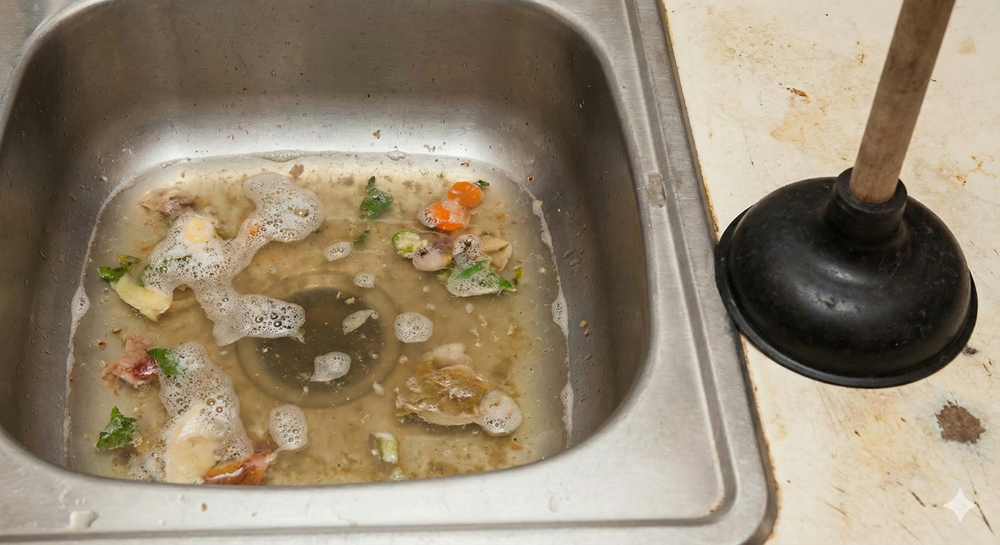
Watch out for slow-draining water, unpleasant odours, gurgling sounds, and water backing up in unexpected places. Multiple drains acting up simultaneously often signals a main line issue. Don’t wait until you’re ankle-deep in water—these early warnings are your chance to act before things escalate.
Is a Leaking Stopcock an Emergency?
Here’s a question many homeowners ask: is a leaking stopcock an emergency? The answer depends on the severity. Your stopcock is the main valve controlling water flow into your home, typically found under the kitchen sink or where the water main enters your property.
A minor drip might not constitute an immediate emergency, but it shouldn’t be ignored. However, if water is spraying or pooling rapidly, you’ve got an urgent situation on your hands. A faulty stopcock means you can’t shut off your water supply during emergencies—making any other plumbing issue significantly worse.
Temporary Fixes While Waiting for Help:
For minor leaks, try wrapping plumber’s tape around the valve or placing a container underneath to catch drips. Towels can help absorb excess water. If the leak is serious, locate your water meter outside and use the isolation valve there to cut the supply to your entire property. Then call an emergency drainage specialist immediately.
Immediate Steps for Emergency Drain Unblocking:
When facing a drain emergency, your first move should be to stop all water usage throughout your home. This means no flushing toilets, running taps, or using appliances that drain water. Every bit of water you add to the system makes the problem worse.
Next, locate and turn off your water supply. Your main stopcock is your best friend here. Turning it clockwise typically shuts off the flow. If you’re dealing with a toilet water supply line leaking, you can often find an isolation valve behind the toilet that controls just that fixture.
Safe DIY Methods to Try Before the Plumber Arrives:
While waiting for professional drain unblocking help, there are some safe methods worth trying. A plunger can work wonders on minor blockages—just make sure you’re using the right type (cup plungers for sinks, flange plungers for toilets). Boiling water poured slowly down the drain can help dissolve grease blockages in kitchen sinks.
Avoid chemical drain cleaners during emergencies. They can damage pipes, create dangerous fumes, and make the situation worse if there’s standing water. If plunging doesn’t work, it’s time to wait for the professionals.
Dealing with Specific Emergency Leaks:
Different emergencies require different approaches. If your toilet water supply line leaking is causing chaos, first shut off the valve behind the toilet. Mop up standing water immediately to prevent damage to flooring and subfloors.
Overflowing Drains and Sewage Backups:
Sewage backups are particularly nasty. If you notice waste water coming up through floor drains or toilets, evacuate the affected area immediately. This water poses serious health risks. Open windows for ventilation and keep children and pets away. Don’t attempt to clean sewage yourself—professional sanitisation is essential.
Kitchen and Bathroom Sink Emergencies:
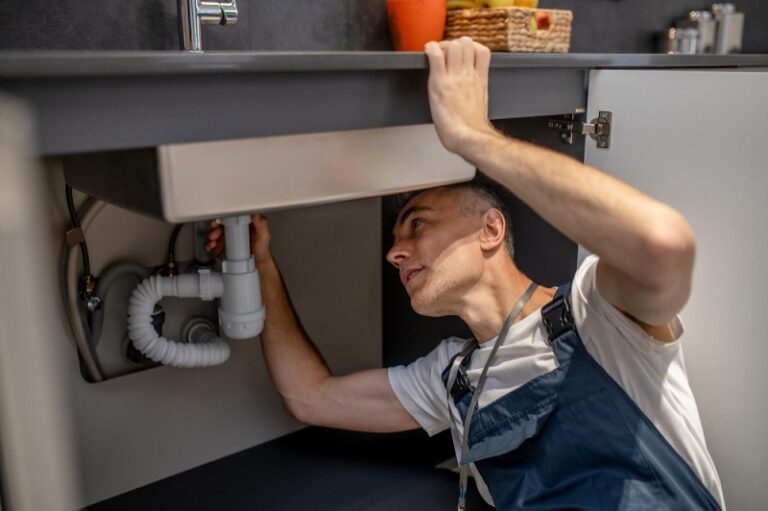
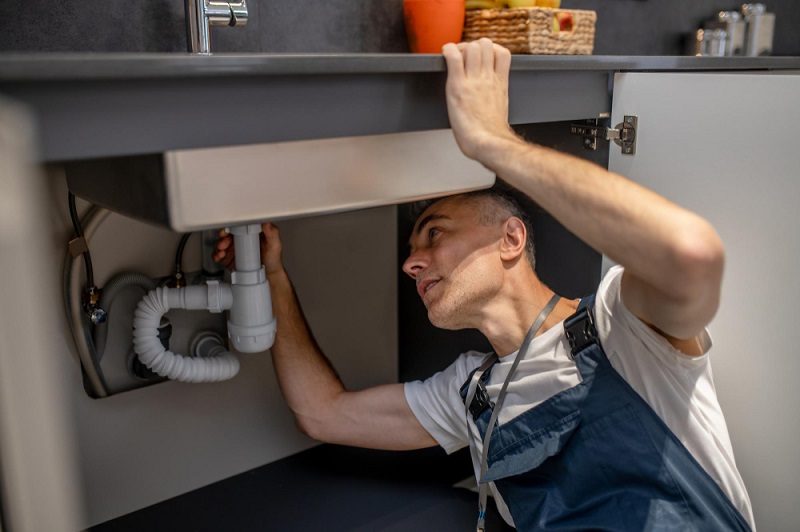
For overflowing sinks, first check if the blockage is in the trap. Place a bucket underneath, unscrew the trap, and clear any debris. Often, you’ll find a lovely collection of hair, soap scum, or food particles causing the trouble.
Before and After Plumbing: What to Document
Taking photos before and after plumbing emergencies is crucial for insurance claims. Document the water damage, affected belongings, and the source of the problem. Take videos showing the severity of flooding or overflow.
Keep notes about when the problem started, what you observed, and any temporary measures you took. This information helps both your insurance company and your plumber understand the situation. Ask your emergency drainage specialist for a detailed report of their findings and repairs.
Plumbing Emergency Tips: Protecting Your Home from Water Damage
While waiting for help, minimising damage becomes your priority. Move furniture, electronics, and valuables away from affected areas. Rugs, books, and important documents should be relocated to dry spaces immediately.
Use towels, mops, and buckets to manage standing water. If you have a wet-dry vacuum, now’s the time to use it. Open windows and doors to promote airflow and speed up drying. If water has reached electrical outlets or appliances, don’t touch them—call an electrician alongside your plumber.
Consider whether you need additional emergency services. Extensive flooding might require water damage restoration specialists. Sewage backups often need professional cleaning and sanitisation.
Seniors Plumbing Concerns: Special Considerations
For older Australians, plumbing emergencies can be particularly challenging. Finding plumbers for pensioners who offer affordable rates is important. Many plumbing companies offer senior discounts, and it’s worth asking about these when you call.
If mobility is a concern, knowing where your stopcock is located—and whether you can physically access it—matters before an emergency strikes. Consider asking a family member or neighbour to help identify and test these valves in advance.
Government assistance programs exist for pensioners facing emergency home repairs. Contact your local council or Services Australia to learn about concessions available in your area. Some states offer emergency home repair grants for those in genuine hardship.
.png)
When to Call for Emergency Drainage Services?
Not every drain issue requires emergency callouts, but certain signs demand immediate professional attention. Multiple blocked drains, sewage smells, water backing up into your home, or any situation involving contaminated water means you need help now.
When the plumber arrives, expect them to assess the situation using CCTV cameras to locate blockages and damage. High-pressure water jetters often clear stubborn blockages effectively. Repair times vary depending on severity—simple blockages might take an hour, while damaged pipes could require excavation and several days of work.
Preventing Future Emergency Drain Situations
Prevention beats cure every time. Regular maintenance includes running hot water through drains weekly, cleaning drain covers, and scheduling professional inspections annually. Avoid putting grease, coffee grounds, wet wipes, and sanitary products down drains.
Install drain guards in showers and sinks to catch hair before it causes problems. Consider enzyme-based drain cleaners monthly for maintenance—these are gentler than chemical alternatives. For older properties, have a plumber inspect your pipes for root intrusion or deterioration before problems arise.
Conclusion: Stay Calm and Act Fast
Dealing with emergency blocked-drain situations is never pleasant, but being prepared makes all the difference. We’ve covered the fundamentals of understanding your drainage system, identifying warning signs, and taking immediate action when disaster strikes. From knowing how to handle a toilet water supply line leaking to understanding when a stopcock issue becomes urgent, you’re now equipped with practical knowledge.
The key takeaway? Don’t panic. Turn off your water supply, stop using drains, document everything, and call for professional emergency drainage help. Quick action in those first few minutes can save thousands in repair costs and protect your home from serious water damage.
Keep this guide handy, save your local emergency plumber’s number in your phone, and take time this weekend to locate your stopcock. Your future self will thank you when—not if—a plumbing emergency strikes. Stay calm, act fast, and remember: every Australian homeowner faces these challenges at some point. You’ve got this.