When it comes to sleep, comfort is everything. You could have the best-looking bed frame or the softest sheets, but if your mattress isn’t giving you the right support, chances are you’ll toss and turn all night. That’s where a memory foam mattress topper often comes into play. But here’s the big question—do they really improve your sleep quality, or are they just another sleep accessory that sounds good in theory? Let’s dig into it.
What Exactly Is a Memory Foam Mattress Topper?
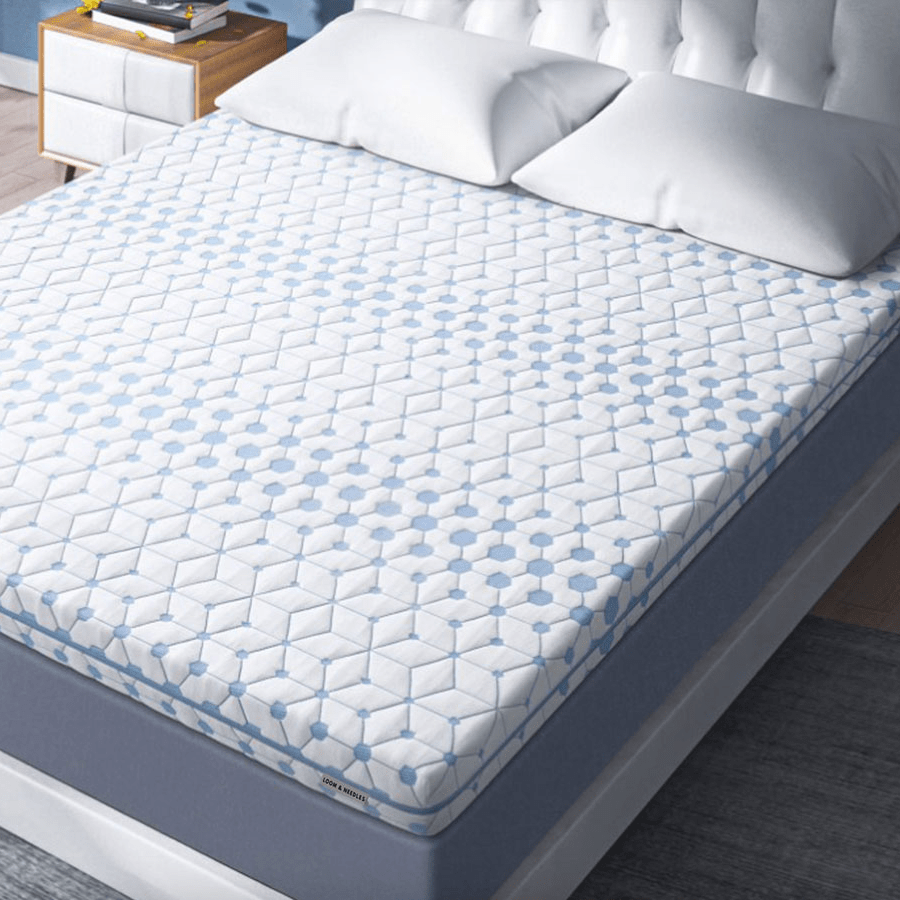
Think of it as a comfort upgrade for your bed. A mattress topper is a layer that sits on top of your existing mattress, and memory foam is one of the most popular materials for this purpose. Unlike regular foam or cotton toppers, memory foam is designed to contour to your body, reducing pressure points and providing a more customized sleeping surface.
If your mattress feels too firm, old, or uncomfortable, adding a memory foam mattress topper can often transform it into something that feels brand new.
Why People Swear by Memory Foam Toppers
Let’s be honest—sleep issues come in many forms. Some people wake up with back pain, some find it hard to fall asleep, and others keep waking up in the middle of the night. Here’s why many sleepers turn to memory foam toppers:
-
Pressure Relief – Memory foam is known for evenly distributing body weight, which reduces pressure on your shoulders, hips, and lower back. This can be a benificial if you’re someone who wakes up with stiffness.
-
Better Spinal Alignment – If your mattress is too soft or too firm, it can misalign your spine. A good topper fills in the gaps, helping your body stay in a more natural position.
-
Motion Isolation – If your partner is a restless sleeper, a topper can absorb a lot of that motion, preventing you from being disturbed at night.
-
Affordability – Instead of buying a brand-new mattress (which can be pretty expensive), a topper can give you similar comfort benefits at a fraction of the cost.
Do They Work for Everyone?
Here’s the thing: while a memory foam mattress topper can absolutely improve sleep quality for many people, it’s not a universal fix. It really depends on your sleep style, body type, and the condition of your existing mattress.
-
Side Sleepers usually love memory foam toppers because of the cushioning they provide for shoulders and hips.
-
Back Sleepers benefit from the even support that reduces lower back strain.
-
Stomach Sleepers may not always find them ideal since memory foam can feel too soft and may cause the spine to arch.
-
If your mattress is sagging badly or has broken springs, a topper won’t magically fix the foundation—it will only make it slightly more tolerable.
The Science Behind Better Sleep
Sleep studies have shown that pressure relief and proper spinal alignment are crucial for restorative rest. Memory foam works by responding to body heat, molding itself to your curves, and then slowly bouncing back when you move. This reduces tossing and turning, which means fewer sleep interruptions and deeper sleep cycles.
Essentially, the topper creates an environment where your body doesn’t have to constantly shift positions to find comfort. Over time, that leads to improved sleep quality and even reduced morning fatigue.
Things to Consider Before Buying One
Not all memory foam toppers are created equal. If you’re thinking of trying one, keep these points in mind:
-
Thickness Matters – A 2-inch topper is good for minor adjustments, while a 3-4 inch topper can completely change your mattress feel.
-
Density & Firmness – Higher density foam provides more support and lasts longer, while lower density foam feels softer but may wear out faster.
-
Heat Retention – Memory foam tends to trap heat, so look for gel-infused or ventilated options if you’re a hot sleeper.
-
Durability – A good topper should last at least 3–5 years, so don’t just go for the cheapest one available.
So, Do They Really Improve Sleep Quality?
For many people, yes. A memory foam mattress topper can be the missing piece between restless nights and restful sleep. It helps relieve pressure, improves spinal alignment, and enhances overall comfort. But at the same time, it’s not a cure-all—if your mattress is beyond saving or you have specific medical conditions, you may need more than just a topper.
Final Thoughts
At the end of the day, sleep is deeply personal. What works wonders for one person may not feel as magical for another. But if you’re looking for a cost-effective way to upgrade your bed and potentially improve your sleep, a memory foam mattress topper is definitely worth considering. It’s a small change that could make a big difference in how you wake up every morning—refreshed, well-rested, and ready to take on the day.