Bite alignment plays a critical role in both oral health and overall facial balance. When teeth and jaws do not align properly, the condition is known as a malocclusion. Bite problems are common in both children and adults, and without treatment, they can lead to discomfort, uneven tooth wear, speech issues, and long-term dental complications. Understanding the most common bite problems and how orthodontic treatment corrects them can help patients make informed decisions about their smile.
Clinics such as Michael Woods Orthodontics specialize in diagnosing and treating these alignment issues using modern orthodontic solutions tailored to each patient’s needs.
1. Overbite
An overbite occurs when the upper front teeth excessively overlap the lower front teeth. While a slight overlap is normal, a deep overbite can cause:
-
Jaw pain or strain
-
Tooth wear on lower incisors
-
Gum irritation
-
Increased risk of chipped teeth
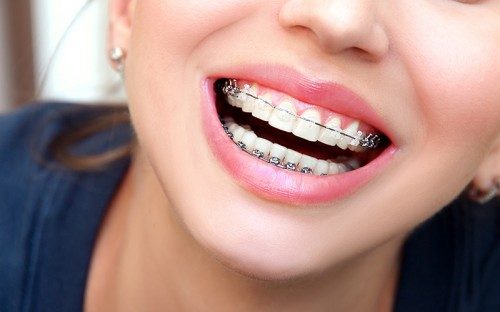
Orthodontic treatment corrects overbite by gradually repositioning the teeth and, in some cases, guiding jaw alignment. Options may include braces, clear aligners, or functional appliances for growing children. Early assessment at Michael Woods Orthodontics can determine whether intervention is needed during developmental years.
2. Underbite
An underbite happens when the lower teeth extend beyond the upper teeth. This condition is often related to jaw growth discrepancies and may affect chewing efficiency and facial symmetry.
Treatment depends on severity and age. In children, growth-modifying appliances can guide jaw development. For teens and adults, braces or clear aligners may correct mild cases, while more complex situations might require a combined orthodontic and surgical approach.
3. Crossbite
A crossbite occurs when some upper teeth sit inside the lower teeth rather than outside. This misalignment can lead to:
-
Uneven tooth wear
-
Gum recession
-
Jaw shifting
-
Facial asymmetry over time
Orthodontic expansion appliances or braces are commonly used to widen the upper jaw and realign teeth properly. Early diagnosis significantly improves treatment efficiency.
4. Open Bite
An open bite is characterized by a visible gap between upper and lower teeth when the mouth is closed. It often results from prolonged thumb-sucking, tongue thrusting, or skeletal growth patterns.
Orthodontic treatment focuses on repositioning teeth and correcting habits contributing to the issue. Clear aligners or braces can gradually close the gap and restore proper function.
5. Crowding and Spacing Issues
Although not always classified strictly as “bite” problems, crowding and spacing can disrupt how teeth meet. Crowded teeth are harder to clean and may increase the risk of decay and gum disease.
Modern orthodontic techniques at Michael Woods Orthodontics use digital treatment planning to precisely move teeth into ideal alignment, improving both aesthetics and oral hygiene.
Why Early Orthodontic Evaluation Matters
Many bite problems are easier to correct when identified early. Children should receive an orthodontic evaluation around age seven, allowing specialists to monitor jaw development and intervene if necessary.
For adults, treatment remains highly effective thanks to advancements in braces and clear aligner technology. Orthodontic care not only enhances appearance but also improves bite function, reduces strain on jaw joints, and promotes long-term dental stability.
Final Thoughts
Bite problems are more than cosmetic concerns they can affect oral health, comfort, and confidence. Whether addressing an overbite, underbite, crossbite, or open bite, professional orthodontic treatment provides structured, predictable correction.
A comprehensive consultation with Michael Woods Orthodontics can identify the specific issue and outline a personalized treatment plan designed to restore balance, function, and a healthy smile.