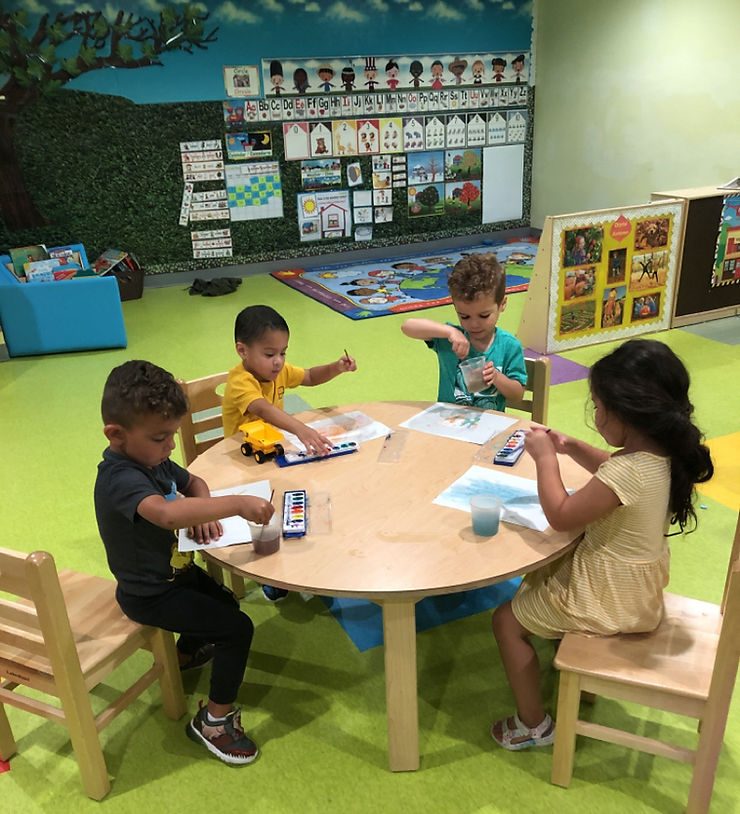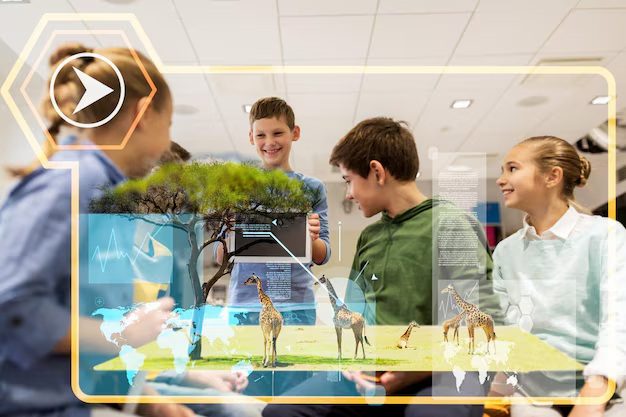
Walk into a modern K-12 classroom and you’ll notice something interesting: learning no longer lives in a single place. It moves between devices, cloud platforms, collaboration tools, and digital resources often within the same lesson.
This shift isn’t about replacing textbooks with screens. It’s about creating an ecosystem where technology supports curiosity, structure, accessibility, and connection. A true digital learning environment isn’t just a collection of tools it’s a thoughtful framework that shapes how students engage, teachers teach, and schools operate.
And right now, schools aren’t asking whether to build that environment.
They’re asking how to build it well.
A Digital Environment Is More Than Devices
The early wave of classroom technology focused heavily on hardware laptops, tablets, smart boards. While those tools matter, the real transformation happens at the system level.
A digital learning environment includes:
- Learning platforms that centralize instruction
- Communication tools connecting teachers, students, and parents
- Secure data management systems
- Accessibility features supporting diverse learners
When these pieces work together, the classroom becomes less about managing logistics and more about enabling meaningful learning.
Modern k-12 education technology solutions are designed to reduce friction. Students spend less time navigating systems and more time exploring content. Teachers spend less time troubleshooting and more time teaching.
That’s the difference between digitization and true digital learning.
Personalization Changes the Pace of Learning
Every K-12 educator understands the challenge: students learn at different speeds, with different strengths, and different needs. Technology doesn’t erase that complexity it helps manage it.
Adaptive learning platforms analyze performance patterns and adjust instruction in real time. A student struggling with math concepts might receive targeted exercises. Another student ready for advanced material can move forward without waiting.
This isn’t about isolating learners behind screens. It’s about giving teachers visibility and flexibility they didn’t have before.
The classroom becomes dynamic responsive to individual progress while maintaining shared learning goals.
Communication Becomes a Core Learning Tool
In traditional settings, communication gaps often slow progress. Parents may not see assignments until deadlines pass. Students may hesitate to ask questions. Teachers juggle multiple channels to keep everyone informed.
A strong digital learning environment centralizes communication:
- Assignment updates in real time
- Parent portals for visibility
- Secure messaging channels
- Collaborative classroom spaces
When communication is built into the learning infrastructure, engagement improves naturally. Families become active participants, not passive observers.
For public school systems, integrated government technology solutions ensure communication platforms meet privacy, accessibility, and compliance standards protecting student data while enabling transparency.
Digital Citizenship Is Part of the Environment
Building a digital classroom isn’t only technical it’s cultural.
Students today grow up in connected environments. Schools play a critical role in teaching responsible digital behavior, media literacy, and ethical online engagement.
That includes understanding:
- Information credibility
- Online communication norms
- Privacy awareness
- Responsible social sharing
Technology platforms increasingly embed safeguards and oversight tools to support these lessons. For example, a Social Media Archiving solution helps institutions maintain records, monitor compliance, and ensure accountability especially important in public education environments where transparency matters.
Digital learning isn’t just about consuming content. It’s about preparing students to participate responsibly in connected spaces.
Teachers Gain Tools Not Extra Burden
One concern educators often voice is whether technology adds complexity. The right environment does the opposite.
Integrated platforms streamline grading, attendance tracking, lesson distribution, and performance monitoring. Instead of juggling disconnected systems, teachers operate within a unified workflow.
Analytics dashboards highlight trends:
- Engagement dips
- Assignment completion patterns
- Areas where students need support
These insights guide instruction without replacing professional judgment. Technology becomes an assistant quietly organizing information so teachers can focus on human interaction.
Accessibility Is Built Into the Framework
A strong digital environment recognizes that students access information differently.
Built-in accessibility features — screen readers, captioning, adjustable formats ensure learning materials are inclusive. Multilingual tools support diverse communities. Flexible access allows students to continue learning beyond physical classrooms.
Modern k-12 education technology solutions prioritize universal design principles, ensuring digital learning doesn’t widen equity gaps it helps close them.
When accessibility is foundational, every student has a clearer path to participation.
Infrastructure and Security Must Grow Together
As schools adopt connected platforms, data protection becomes essential. Student records, communication logs, and academic progress information require strong safeguards.
Secure government technology solutions embed:
- Role-based access controls
- Encryption standards
- Audit capabilities
- Compliance alignment
This infrastructure protects trust not just for administrators, but for families and communities.
A digital environment only succeeds when stakeholders feel confident that innovation doesn’t compromise privacy.
Learning Extends Beyond Classroom Walls
One of the most powerful outcomes of digital ecosystems is continuity. Learning is no longer limited to a physical room or school day.
Students can:
- Review lessons at home
- Collaborate remotely
- Access resources anytime
- Submit work digitally
This flexibility supports different learning rhythms while reinforcing independence.
For educators, it opens opportunities for blended instruction, flipped classrooms, and project-based collaboration that mirrors real-world workflows.
The Human Element Still Leads
Technology doesn’t replace the teacher-student relationship it amplifies it.
The most successful digital learning environments are built around pedagogy first, technology second. Training, support, and thoughtful implementation ensure educators feel empowered rather than overwhelmed.
When schools treat digital transformation as a partnership between people and platforms, adoption becomes smoother and outcomes improve.
Tools fade into the background. Learning moves to the foreground.
The Bigger Picture
Building a digital learning environment for K-12 students is ultimately about readiness preparing schools and learners for a world where digital fluency is inseparable from everyday life.
When thoughtfully implemented, modern k-12 education technology solutions supported by secure government technology solutions and accountability tools like a Social Media Archiving solution create classrooms that are connected, inclusive, and resilient.
This isn’t about chasing trends.
It’s about designing learning ecosystems that evolve alongside students, educators, and communities ensuring education remains adaptable, engaging, and future-ready.
And that’s where meaningful transformation begins.