When a baby is born, parents naturally look at every tiny detail — the eyes, the fingers, the smile. But sometimes, a child may be born with a visible gap in the upper lip or the roof of the mouth. This condition is called a cleft lip or cleft palate.
If you’re here reading this, you may be a parent, a family member, or someone trying to understand the condition better. First, take a deep breath. You’re not alone. Thousands of families navigate cleft lip and palate in India every year — and the good news is that it is treatable.
Let’s talk about it in a simple, honest, and human way.
What Exactly Is Cleft Lip and Palate?
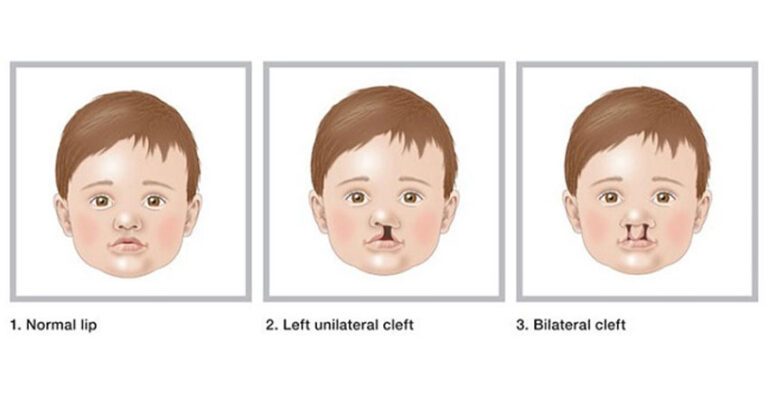
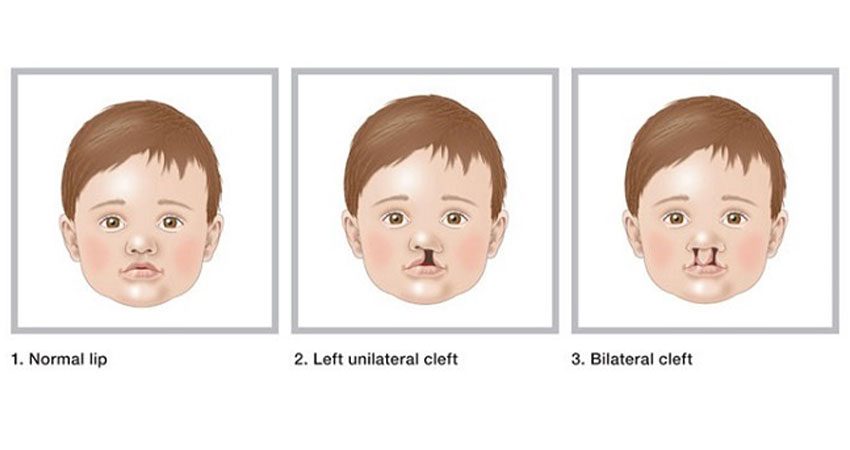
A cleft lip is a split or opening in the upper lip.
A cleft palate is an opening in the roof of the mouth.
Sometimes a baby has only a cleft lip.
Sometimes only a cleft palate.
And sometimes both.
This happens when parts of the baby’s face do not fuse completely during early pregnancy. It’s important to understand that this occurs very early in development — often before a mother even knows she is pregnant.
How Common Is Cleft Lip and Palate in India?
Cleft lip and palate in India is more common than many people realize. Thousands of children are born with this condition every year.
Because India has a large population, the number of cases is naturally higher compared to many countries. However, access to advanced surgical treatment has improved significantly over the years.
Today, many skilled surgeons across India successfully treat cleft lip and palate with excellent long-term results.
What Causes Cleft Lip and Palate?
This is one of the most common questions parents ask:
“Did we do something wrong?”
The answer is almost always no.
The exact cause of cleft lip and palate in India — or anywhere in the world — is not always clear. However, several factors may contribute:
-
Genetic factors
-
Family history
-
Nutritional deficiencies during pregnancy
-
Smoking or alcohol exposure
-
Certain medications during pregnancy
In many cases, there is no single identifiable reason. It is simply a developmental variation that can be corrected.
Blaming yourself will not help. Seeking proper treatment will.
Challenges Faced by Children with Cleft Lip and Palate
Cleft lip and palate is not just about appearance.
It can affect:
-
Feeding
-
Speech development
-
Hearing
-
Dental alignment
-
Emotional confidence
Newborns with cleft palate may have difficulty feeding because milk can pass into the nose. Parents often feel anxious during this stage, but special feeding techniques and bottles can help.
As the child grows, speech therapy may be needed if the palate affects sound formation.
The important thing to remember is that with proper medical care, most of these challenges can be successfully managed.
Treatment Options for Cleft Lip and Palate in India
Now let’s talk about hope — because treatment is available, effective, and life-changing.
1. Cleft Lip Surgery
Usually performed when the baby is around 3 to 6 months old.
The surgeon closes the gap in the lip and reshapes it to look as natural as possible. Over time, the scar fades significantly.
2. Cleft Palate Surgery
Typically done between 9 to 18 months of age.
The goal is to close the opening in the roof of the mouth to improve feeding, speech, and overall oral function.
3. Additional Treatments
Some children may require:
-
Speech therapy
-
Orthodontic treatment
-
Ear tube placement
-
Secondary corrective surgeries
Treatment for cleft lip and palate in India is usually a staged process, planned carefully as the child grows.
Is Surgery Safe?
Understandably, parents worry about anesthesia and surgery at such a young age.
The reassuring truth is that cleft lip and palate surgeries are routinely performed by experienced surgeons. With modern technology, proper monitoring, and skilled hands, the procedures are considered safe.
India has many advanced hospitals equipped with pediatric surgical facilities.
Choosing an experienced specialist is key.
Emotional Journey of Parents
Let’s pause for a moment.
If you’re a parent, you may have felt shock, fear, confusion, or even guilt when you first learned about the condition.
That’s completely normal.
But here’s something powerful: children with cleft lip and palate in India grow up to lead normal, confident, successful lives after treatment.
The early phase may feel overwhelming, but you are stronger than you think.
Support groups, counselors, and medical teams are there to guide you every step of the way.
Long-Term Outlook
With proper treatment, children with cleft lip and palate in India can:
-
Eat normally
-
Speak clearly
-
Smile confidently
-
Live healthy lives
In fact, many adults who had cleft surgery as babies show no visible signs later in life.
Early intervention makes a significant difference.
Importance of a Multidisciplinary Approach
Treatment for cleft lip and palate in India is often handled by a team that may include:
-
A maxillofacial surgeon
-
Pediatrician
-
Speech therapist
-
Orthodontist
-
ENT specialist
This team-based approach ensures complete care — not just cosmetic correction but functional improvement too.
When Should Parents Consult a Specialist?
If cleft lip or palate is diagnosed during pregnancy via ultrasound, consultation can begin even before birth.
If identified at birth, meeting a specialist within the first few weeks is important to plan feeding support and surgical timing.
Early guidance reduces stress and improves outcomes.
Breaking the Social Stigma
Unfortunately, in some communities, there may still be myths or stigma around facial differences.
Education is important.
Cleft lip and palate in India is a medical condition — not a curse, not a punishment, not anyone’s fault.
Awareness is slowly improving, and more families are openly seeking treatment without fear.
Final Thoughts
Understanding cleft lip and palate in India begins with awareness, compassion, and timely action.
It is a condition that may look concerning at first, but it is highly treatable.
With modern surgical techniques, proper follow-up care, and emotional support, children born with cleft lip and palate can thrive in every way.
If you or someone you know is navigating this journey, remember — early consultation with an experienced specialist can make all the difference.
Hope, healing, and confident smiles are absolutely possible with the right care and guidance.