Hiring the right talent is one of the most critical challenges companies face today. Making a wrong hire can be costly—not only in terms of money but also in productivity, team morale, and employee retention. According to studies, a single bad hire can cost a company up to 30% of that employee’s first-year earnings.
This is where talent assessment comes into play. Talent assessments provide a structured, objective way to evaluate a candidate’s skills, aptitude, personality, and fit for a role. By using these tools effectively, companies can make better hiring decisions, reduce bad hires, and lower employee turnover.
In this blog, we’ll discuss how organizations can use talent assessments to build stronger teams, improve retention, and why platforms like SpeedExam are ideal for modern recruitment.
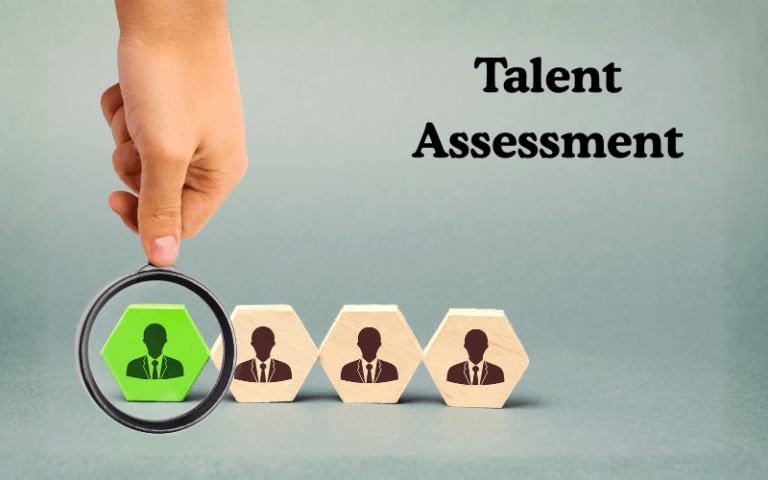
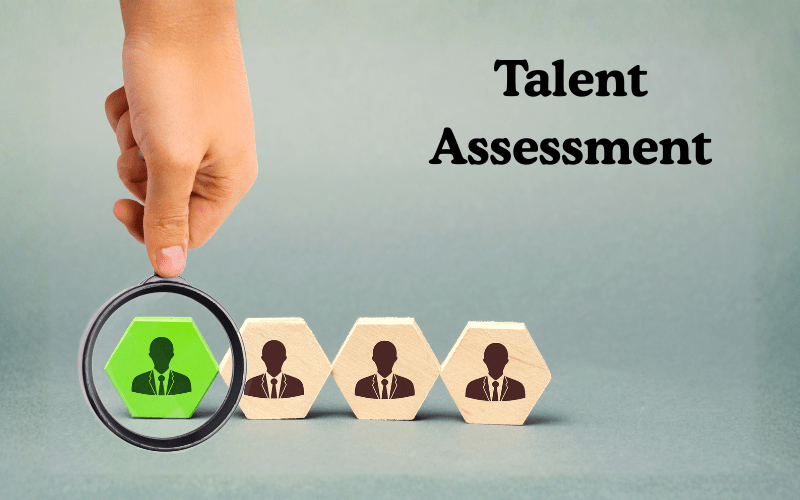
What Is Talent Assessment?
Talent assessment refers to a variety of tools and tests used to evaluate potential candidates before hiring. These assessments can measure:
- Cognitive abilities (problem-solving, logical reasoning)
- Technical skills relevant to the job
- Soft skills such as communication and teamwork
- Personality traits and cultural fit
By relying on structured evaluations rather than just interviews and resumes, companies can reduce subjectivity in hiring and choose candidates who are most likely to succeed in the role.
Types of Talent Assessments
Different roles require different evaluation methods. Here are the most common types of assessments used in recruitment:
1. Cognitive and Aptitude Tests
These tests measure a candidate’s ability to learn, reason, and solve problems. Common areas include:
- Numerical reasoning
- Verbal reasoning
- Logical reasoning
- Critical thinking
These assessments help identify candidates with strong learning potential and analytical skills.
2. Technical Skill Assessments
Technical or role-specific tests evaluate a candidate’s knowledge and practical skills. Examples include:
- Coding challenges for software developers
- Engineering simulations for technical roles
- Marketing and finance skill tests
These tests ensure candidates possess the necessary expertise for the role.
3. Personality and Behavioral Assessments
Understanding personality traits and work behaviors is crucial for team cohesion. These tests can assess:
- Communication style
- Teamwork and collaboration
- Leadership potential
- Stress management
Such evaluations help ensure cultural fit and reduce future conflicts in the workplace.
4. Situational Judgment Tests (SJTs)
SJTs present real-life scenarios and ask candidates to choose the best response. These assessments evaluate decision-making, problem-solving, and interpersonal skills.
5. Language and Communication Tests
For global roles, assessing language proficiency and communication skills ensures candidates can effectively interact with clients and colleagues.
Benefits of Using Talent Assessment to Reduce Bad Hires
Incorporating talent assessments into your hiring process provides several advantages:
1. Objective Evaluation
Standardized tests remove bias and provide an objective measure of a candidate’s abilities. This ensures fairer hiring decisions.
2. Improved Hiring Accuracy
By evaluating skills, personality, and fit, companies can select candidates who are more likely to perform well and stay longer.
3. Reduced Turnover
Assessing candidates thoroughly helps match the right person to the right role, which decreases early attrition and reduces recruitment costs.
4. Faster Recruitment Process
Automated assessments streamline candidate screening, allowing recruiters to focus on top performers and speed up hiring.
5. Data-Driven Decisions
Assessment results provide valuable insights for HR and management, helping them make informed hiring choices.
Role of Technology in Talent Assessment
Modern technology has transformed the way companies conduct assessments. Online platforms allow:
- Remote assessments for global candidates
- AI-driven proctoring to ensure integrity
- Automated scoring and reporting
- Integration with HR tools and applicant tracking systems
- Scalable hiring for hundreds or thousands of candidates
Platforms like SpeedExam combine these features, making talent assessment easy, secure, and efficient.
How SpeedExam Helps Companies Reduce Bad Hires
SpeedExam is a leading online assessment and proctoring platform that helps companies conduct skill tests, cognitive assessments, and personality evaluations seamlessly. Here’s why it’s ideal for modern recruitment:
1. Easy-to-Use Assessment Creation
With SpeedExam, recruiters can create assessments quickly using multiple question formats such as:
- Multiple-choice questions (MCQs)
- Descriptive questions
- Coding or technical challenges
- File upload tasks
Its question bank and randomization features make it an effective online assessment maker for screening candidates accurately.
2. Secure AI-Based Proctoring
Remote assessments can face cheating and impersonation risks. SpeedExam provides AI-driven proctoring with:
- Face recognition and identity verification
- Browser lockdown
- Webcam and screen monitoring
- Suspicious behavior alerts
This makes it a trusted proctor online exam software for ensuring exam integrity.
3. Scalable for Mass Hiring
Whether you’re hiring a handful of candidates or thousands during campus recruitment drives, SpeedExam can handle large volumes of users simultaneously. This makes it efficient for fast-paced hiring needs.
4. Automated Evaluation and Analytics
SpeedExam automates scoring for objective questions and provides tools to manually evaluate descriptive responses. Detailed analytics, dashboards, and reports help recruiters make data-driven decisions quickly.
5. Custom Branding and Professional Interface
Companies can customize SpeedExam with their logo, color scheme, and domain. This ensures a professional, branded experience for candidates and reinforces credibility.
6. Support for Academic and University Hiring Programs
SpeedExam can also be used by universities and educational institutions conducting online exam computer based tests for students, campus placements, and certification programs. This makes it versatile beyond corporate recruitment. It even functions as a reliable exam software for university programs.
How Companies Integrate Talent Assessment Into Hiring
Companies often use talent assessments at different stages of the hiring process:
- Initial Screening: Candidates take aptitude or technical tests to filter out unsuitable applicants.
- Skill Evaluation: Role-specific tests measure expertise and capability.
- Behavioral Assessment: Personality, situational judgment, and soft skill tests evaluate cultural fit.
- Final Interview: Only top performers move to interviews, saving time and improving selection quality.
This structured approach ensures better hires and reduces the risk of employee turnover.
FAQs
- What is talent assessment?
It’s a test to evaluate candidates’ skills, knowledge, and job fit. - How does it reduce bad hires?
By objectively measuring abilities and fit, it helps select the right candidates. - Can SpeedExam handle large hiring assessments?
Yes, it’s scalable for hundreds or thousands of candidates. - Is SpeedExam secure?
Yes, with AI proctoring, face detection, and browser lockdown. - Can I try SpeedExam before using it?
Yes, you can request an online exam system demo.
Conclusion
Reducing bad hires and turnover is a critical goal for any organization. Incorporating structured talent assessment into the recruitment process provides objective data, improves hiring accuracy, and ensures the right candidates are selected.
With its easy assessment creation, AI proctoring, automated analytics, scalability, and custom branding, SpeedExam is an ideal platform for companies looking to modernize their hiring process. By leveraging SpeedExam, organizations can make smarter hiring decisions, improve retention, and build stronger, more productive teams.