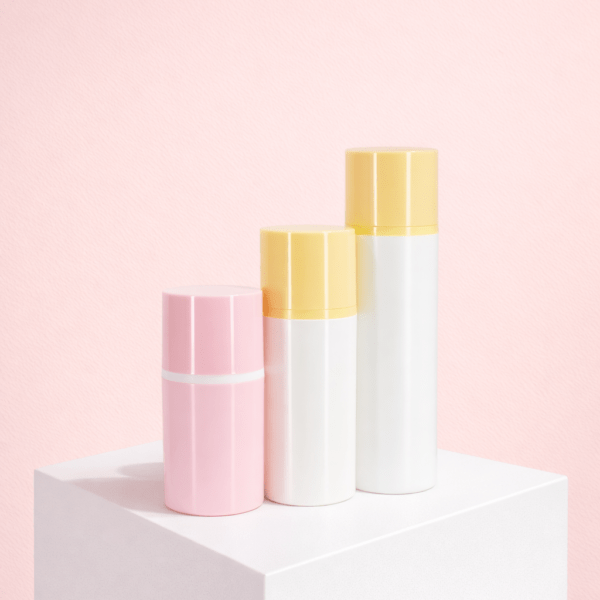
Choosing the right material for your lotion bottles can transform your brand. You face tough decisions: balance durability for safe shipping, recyclability to meet eco demands, and cost to keep margins healthy. As a cosmetic or skincare brand, medical manufacturer, or personal care business, you need packaging that protects formulas, appeals to buyers, and aligns with regulations. This deep dive compares PET, HDPE, glass, and bioplastics so you pick what fits your goals—from premium positioning to sustainable switches.
Why Material Choice Matters Right Now
You know consumers push for greener options. The global bioplastics packaging market reached about USD 6.92 billion in 2025, growing fast as brands adopt renewable alternatives to cut plastic waste (Fortune Business Insights, 2025). Your lotion bottles influence shelf appeal, user experience, and brand story. Pick wrong, and you risk leaks, higher costs, or lost trust.
What Makes Each Material Stand Out?
- Start with PET (polyethylene terephthalate). You get crystal-clear looks that highlight your lotion’s color and texture. It feels premium yet stays lightweight for easy shipping. Durability holds up against drops better than you might expect, and it resists chemicals in most formulas. Recyclability shines—many programs accept it widely, turning it into new bottles. Cost stays low, making it ideal for mid-range skincare lines.
- Next, consider HDPE (high-density polyethylene). You choose this for tough, opaque bottles that block light and protect sensitive ingredients like vitamins or actives. It handles impacts without cracking, survives temperature swings, and weighs little. Recyclability rates high in curbside bins, often into pipes or new containers. Price edges even lower than PET, perfect for high-volume wellness or cannabis products needing child-resistant caps.
- Glass brings timeless elegance. You position your brand as luxury with its heavy, premium feel and zero chemical interaction—great for natural or medical lotions. Clarity dazzles, and it recycles endlessly without quality loss. But durability drops; it breaks easier, raises shipping costs from weight, and hikes price due to production energy.
- Bioplastics, like PLA or bio-based blends, step in for eco-forward moves. You appeal to green buyers with plant-derived sources that biodegrade under right conditions. They mimic plastic looks and feel, offer decent clarity, and reduce fossil fuel use. Recyclability varies—some join standard streams, others need special composting. Cost runs higher now, but it drops as production scales, suiting premium sustainable lines or cosmetic jars paired with bottles.
Quick Comparison: Key Factors at a Glance
Here’s a straightforward table to help you weigh options fast:
|
Material |
Durability (Impact Resistance) |
Recyclability |
Cost (Relative) |
Sustainability Edge |
Best For |
|
PET |
High |
Excellent (widely accepted) |
Low |
Good (recycled content common) |
Clear, everyday skincare |
|
HDPE |
Very High |
Excellent (curbside friendly) |
Very Low |
Solid (recyclable multiple times) |
Opaque, tough wellness products |
|
Glass |
Low (breaks easily) |
Infinite (no quality loss) |
High |
Top-tier (endless loop) |
Luxury, natural formulas |
|
Bioplastics |
Medium |
Varies (compostable/recyclable) |
Medium-High |
Best (renewable, lower carbon) |
Eco-premium, green brands |
How These Choices Shape Your Brand
Think about your market. For regulated cannabis or medical items, HDPE gives you compliant, shatterproof strength with child-resistant features. Skincare brands chasing premium vibes pick glass to signal quality. If sustainability drives your story, bioplastics let you stand out: pair them with recycled PET for hybrid wins. Durability affects returns; poor choices lead to cracked shipments and unhappy customers. Cost ties to scale—low-volume premium runs favor glass, mass-market leans on plastics.
You balance trade-offs every day. Clear PET boosts visual marketing. Opaque HDPE shields actives from light. Glass adds weight but elevates perceived value. Bioplastics signal future-thinking without sacrificing function.
What Should You Do Next?
Test samples. Match material to your formula’s needs, target audience, and budget. Work with experts who handle the concept to the delivery—design that pops, production that scales globally, and compliance for any market. The right lotion bottles protect your product, delight users, and build loyalty in a crowded space.
Your packaging tells your brand’s story. Choose wisely, and watch it resonate.