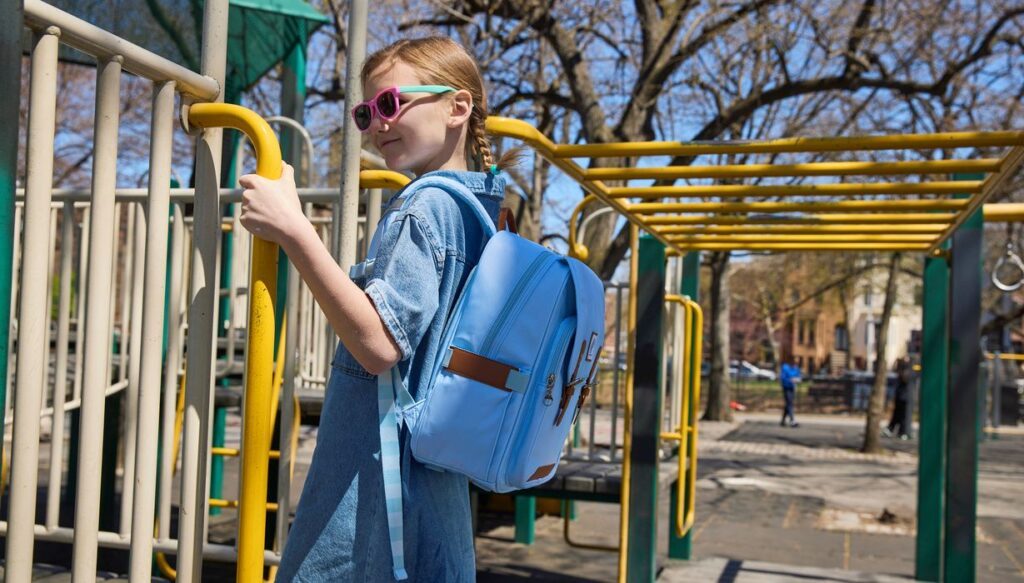
Choosing the right schoolbag can greatly influence a child’s comfort, posture, and daily routine. With many parents concerned about back strain and uneven weight distribution, understanding the difference between ergonomic schoolbags and standard backpacks is essential. In this article, we break down the benefits, risks, and features you should consider when selecting a school bag that truly supports growing children.
Why Backpack Design Matters
Backpacks are more than just carriers — their design affects a child’s posture and physical comfort. Poorly designed backpacks often:
-
Cause uneven weight distribution
-
Provide weak back support
-
Contribute to muscle strain and fatigue
These issues may go unnoticed at first but can develop into daily discomfort as children carry heavier items to and from school.
Ergonomic vs. Regular Backpacks: A Feature Comparison
Below is a feature-by-feature look at how ergonomic designs compare with regular backpacks:
Balanced Weight Distribution
Ergonomic schoolbags are designed to spread weight evenly across the back and shoulders. This helps:
-
Reduce pressure on one side of the body
-
Improve posture during long walks or standing periods
-
Minimize muscle tension throughout the day
Regular backpacks often lack internal support structures, making weight shifts more noticeable and uncomfortable.
Posture-Focused Design
A major benefit of ergonomic backpacks is their attention to posture. Key design elements include:
-
Supportive, padded back panels
-
Adjustable straps that fit the child’s body
-
Structural frames that promote upright posture
Standard backpacks may have padding, but without solid support and shape retention, they fail to discourage slouching.
Comfort and Breathability
Ergonomic options often use breathable fabrics and thoughtful padding to enhance comfort—especially on hot days or long commutes. Smart compartment layouts also make it easier for children to find items quickly.
Durability for Everyday Use
Good ergonomic backpacks use sturdy materials and reinforced stitching to endure daily school wear and tear. Quality zippers and stable bases help ensure the bag lasts through the school year and beyond.
Age-Appropriate Fit
Because children grow quickly, adjustable features — like strap length and back panel height — are essential. Lightweight materials and cushioned straps reduce strain as children move throughout their day.
How to Choose the Best Backpack for Your Child
Here are practical tips to ensure you pick the right backpack:
-
Check padding and structure – Strong padding and firm back panels help distribute weight safely.
-
Assess support features – Look for backpacks with ergonomic shaping and strap adjustability.
-
Prioritize lightweight design—a lighter bag reduces daily burden and supports easier movement.
Conclusion
Small decisions like selecting an ergonomic schoolbag can lead to big comfort gains for children. By focusing on balanced weight support, posture-friendly design, durability, and comfort, parents can give their children a better daily experience at school. Thoughtful choices in schoolbag design help kids feel stable, supported, and ready for learning every day.