Choosing the right barcode scanner is an important decision for any business that wants to improve speed, accuracy, and overall efficiency. With so many options available, it is easy to feel unsure about which scanner will work best. The right choice depends on how your business operates, where the scanner will be used, and what you expect it to do in the future.
This guide explains everything in simple and clear language, helping you select a barcode scanner that fits your business needs perfectly.
What a Barcode Scanner Does
A barcode scanner is a device that reads barcodes on products, labels, or packages and sends the information to a computer or POS system. This allows businesses to process sales quickly, track inventory accurately, and reduce manual data entry.
Instead of typing product details by hand, employees can scan items in seconds. This improves accuracy and saves time, especially in busy environments such as retail stores, warehouses, and logistics operations.
Why the Right Barcode Scanner Is Important
Using the wrong barcode scanner can slow down daily operations. A scanner that struggles to read barcodes or is uncomfortable to use can cause delays and mistakes. On the other hand, the right scanner helps employees work faster and more confidently.
When scanning is smooth and reliable, customer service improves, inventory records stay accurate, and business operations become more organized.
Understanding Your Business Environment
Before choosing a scanner, think about where it will be used. A retail counter usually needs a simple and fast scanner, while a warehouse may require a stronger device that can handle drops, dust, and long hours of use.
If employees need to move around while scanning, mobility becomes important. If scanning happens in one fixed place, a wired scanner may be more suitable. Understanding your work environment helps narrow down the best options.
Different Types of Barcode Scanners
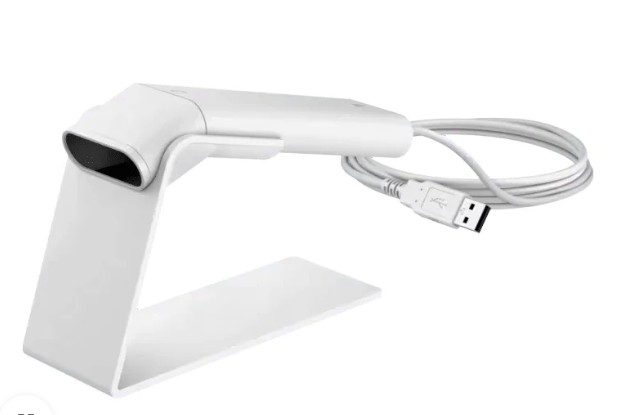
Barcode scanners come in different designs, each made for specific use cases. Handheld scanners are common in retail and small businesses because they are easy to use and affordable. Fixed scanners are often installed at checkout counters or conveyor belts for continuous scanning.
Wireless scanners allow staff to move freely and are ideal for warehouses and large stores. Mobile computers combine scanning with a built-in screen and operating system, making them useful for inventory management and fieldwork.
Choosing Between 1D and 2D Barcode Scanners
1D barcode scanners read traditional barcodes commonly found on retail products. They are suitable for basic scanning needs and are usually cost-effective.
2D barcode scanners can read QR codes and more complex barcodes from paper or digital screens. They are widely used in modern businesses, healthcare, and logistics. If your business uses or plans to use QR codes, a 2D scanner is a better long-term option.
Wired or Wireless: Which Is Better?
Wired scanners are reliable and do not require charging, making them a good choice for fixed workstations. They are easy to set up and usually more affordable.
Wireless scanners provide flexibility and allow employees to scan items from a distance. They are ideal for large spaces but need regular charging. Choosing between wired and wireless depends on how much movement your staff needs during daily tasks.
Speed and Accuracy Matter
In busy environments, scanning speed makes a big difference. A fast scanner reduces waiting time and keeps operations running smoothly. High-quality scanners can read barcodes even if they are slightly damaged or poorly printed.
Accurate scanning also reduces errors in billing and inventory records. This leads to better stock management and fewer issues in daily operations.
System Compatibility
Before buying a barcode scanner, make sure it works well with your existing POS system or software. Most modern scanners support common platforms, but checking compatibility in advance avoids technical problems later.
A scanner that integrates easily with your system saves setup time and ensures your team can start using it without complications.
Durability and Build Quality
In environments like warehouses or manufacturing units, scanners need to be strong and durable. Devices designed for such conditions can handle drops, dust, and continuous use.
For offices or retail stores, a standard scanner is usually sufficient. Choosing the right build quality ensures the scanner lasts longer and performs consistently.
Ease of Use and Comfort
A good barcode scanner should be easy to use and comfortable to hold. Simple operation reduces training time and helps new employees adapt quickly.
Ergonomic design is especially important when scanners are used for long hours. Comfortable devices reduce fatigue and support better productivity.
Budget and Long-Term Value
While budget is important, it is better to focus on long-term value rather than the lowest price. A reliable scanner with the right features can save money by reducing errors and lasting longer.
Also consider future needs. A scanner that supports advanced features may cost more initially but can prevent the need for upgrades later.
Conclusion
Choosing the right barcode scanner is about matching the device to your business needs. By understanding your environment, scanning requirements, and future plans, you can select a scanner that improves efficiency and accuracy.
The right barcode scanner supports smooth operations, helps employees work effectively, and contributes to better customer experiences. A thoughtful choice today can benefit your business for years to come.