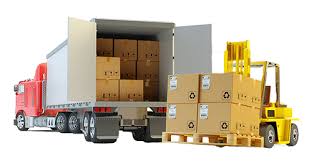
Partial Truckload, commonly referred to as PTL, is a transportation method used for moving goods that do not require the full capacity of a truck. Instead of dedicating an entire vehicle to a single shipment, multiple consignments from different shippers are consolidated and transported together in one truck. This model is widely used in supply chain and logistics operations where shipment volumes are moderate and cost optimization is a key consideration.
PTL transportation is especially suitable for businesses that ship goods regularly but in quantities smaller than a full truckload. By sharing vehicle space, organizations can move cargo efficiently without paying for unused capacity, making PTL an important part of modern logistics networks.
Nature of Goods Transported via PTL
Partial Truckload services are used to transport a wide variety of goods across industries. These include packaged consumer goods, electronics, textiles, pharmaceuticals that do not require temperature control, spare parts, industrial components, printed materials, and e-commerce shipments. PTL is generally preferred for non-perishable, palletized, or boxed cargo that can be handled alongside other consignments.
Since multiple shipments are loaded in a single vehicle, proper packaging and labeling are essential. This helps ensure clear identification, minimizes handling errors, and reduces the risk of damage during transit.
How Partial Truckload Transportation Works
In a PTL model, shipments from different customers are collected from multiple pickup locations and consolidated at a hub or warehouse. Once consolidated, the goods are loaded into a truck based on route planning and delivery schedules. The vehicle then transports the cargo to its destination hub, from where shipments are separated and delivered to their respective endpoints.
This hub-and-spoke model allows logistics operators to maximize vehicle utilization while maintaining structured movement. The process involves careful coordination of pickup times, loading sequences, and delivery routes to ensure efficiency.
Vehicle Types and Load Management
Various types of commercial vehicles are used for PTL transportation, depending on the total volume and weight of consolidated shipments. Common vehicles include pickup vans, mini trucks, 14-foot trucks, 17-foot trucks, and medium-sized container vehicles. The selection of vehicles is based on route demand and cargo mix.
Load management is a critical aspect of PTL operations. Shipments are arranged in a manner that allows easy unloading at multiple delivery points without disturbing other consignments. Proper weight distribution and secure stacking help prevent transit damage and ensure vehicle stability.
Transit Time and Delivery Considerations
Compared to full truckload transportation, PTL shipments may have slightly longer transit times. This is due to multiple pickups, drop-offs, and consolidation processes. Transit time depends on factors such as route distance, number of delivery points, traffic conditions, and hub processing efficiency.
Despite longer transit windows, PTL offers predictable delivery schedules when managed through organized logistics systems. Businesses often plan PTL shipments in advance to align with production and inventory cycles.
Documentation and Compliance
PTL transportation requires adherence to standard regulatory and documentation requirements. Each shipment must be accompanied by appropriate invoices, e-way bills, and identification labels. Accurate documentation ensures smooth movement through checkpoints and simplifies reconciliation at delivery points.
Tracking systems are commonly used to monitor PTL shipments across hubs and routes, providing visibility and operational control.
Role in Supply Chain Operations
Partial truckload plays an important role in supply chain flexibility and cost efficiency. It allows businesses to ship smaller quantities without waiting to accumulate full truckload volumes. This helps reduce inventory holding costs and supports more frequent replenishment cycles.
PTL is particularly valuable for small and medium enterprises, regional distributors, and e-commerce operations that require consistent movement of goods without high volume commitments.
Conclusion
Partial Truckload transportation is a practical and efficient logistics solution for moving moderate-sized shipments. By consolidating multiple consignments into a single vehicle, PTL optimizes transport capacity while supporting structured and compliant cargo movement. As supply chains continue to evolve toward flexibility and efficiency, partial truckload remains a key component of modern logistics infrastructure.