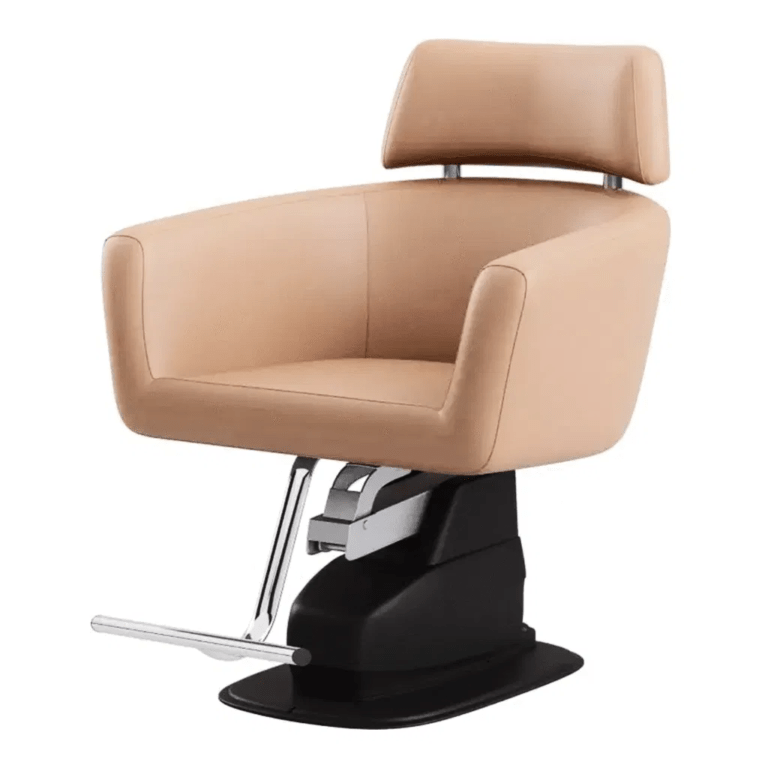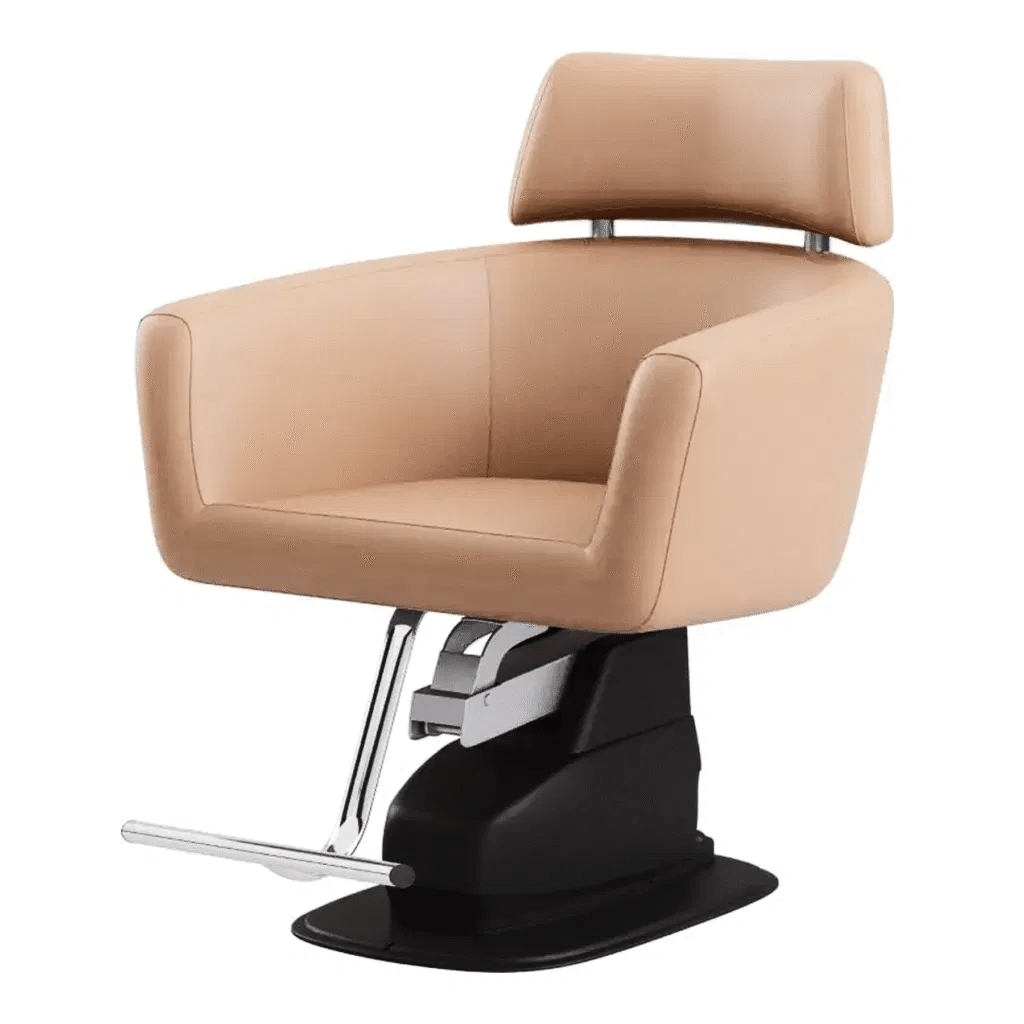
In modern hair salon furniture design, space is not only measured in square feet but also in perception. Many salons struggle with feeling cramped, cluttered, or uncomfortable—not because the space is truly small, but because of avoidable furniture design mistakes. When furniture is poorly chosen or incorrectly placed, even a well-sized salon can feel tight and overwhelming. On the other hand, thoughtful design choices can visually open up a space, improve flow, and enhance the client experience.
This article highlights common furniture design mistakes that make salons feel smaller than they actually are—and how to avoid them.
Why Furniture Design Directly Affects Salon Space
Space Perception vs. Actual Space
Clients experience a salon through movement, comfort, and visual balance. Furniture that blocks pathways, dominates sightlines, or overwhelms the room can shrink the perceived size of the salon.
The Role of Function and Flow
Furniture should support daily operations without interrupting natural movement. When flow is disrupted, the space feels crowded, even if it isn’t.
Mistake #1: Choosing Oversized Furniture
When Bigger Isn’t Better
Large chairs, bulky stations, and oversized reception desks may look impressive in showrooms but can overpower a salon floor.
Why it’s a problem:
-
Reduces walking space
-
Makes the room feel congested
-
Limits flexibility in layout
Better Approach
Choose furniture scaled to the room size. Slim-profile styling stations and compact seating can still look premium while preserving openness.
Mistake #2: Ignoring Proper Spacing Between Furniture
Crowded Layouts Create Visual Chaos
Placing furniture too close together leaves little room for technicians and clients to move comfortably.
Common issues include:
-
Chairs placed too close back-to-back
-
Styling stations with no elbow room
-
Narrow walkways that feel restrictive
Better Approach
Maintain clear spacing between chairs, stations, and walkways. Negative space is essential—it allows the eye to rest and makes the salon feel larger.
Mistake #3: Blocking Natural Light with Furniture
Light Is a Space Multiplier
Natural light makes interiors feel open and airy. Tall cabinets or bulky furniture placed near windows block light and visually close in the space.
Better Approach
Keep window areas open. Use lower-profile furniture or open shelving near light sources to allow light to travel freely throughout the salon.
Mistake #4: Using Too Many Furniture Styles at Once
Visual Clutter Shrinks Space
Mixing too many furniture styles, shapes, or finishes creates visual noise. This makes the salon feel disorganized and smaller than it is.
Better Approach
Stick to a cohesive design language. Uniform furniture styles help create continuity, which visually expands the space.
Mistake #5: Poor Storage Planning
Cluttered Surfaces Reduce Visual Space
When storage is overlooked, tools and products end up on counters, chairs, or trolleys, creating a cluttered look.
Effects of poor storage:
-
Messy appearance
-
Reduced workspace efficiency
-
Smaller perceived area
Better Approach
Use furniture with integrated storage. Concealed drawers and built-in compartments keep essentials accessible while maintaining a clean look.
Mistake #6: Overloading the Salon with Too Many Stations
More Stations Don’t Always Mean More Revenue
Trying to fit too many styling or service stations into a single space often backfires.
Problems caused:
-
Tight seating arrangements
-
Limited technician movement
-
Uncomfortable client experience
Better Approach
Design for balance, not maximum capacity. A spacious, comfortable salon encourages repeat visits and higher service value.
Mistake #7: Choosing Dark, Heavy Furniture Without Balance
Dark Furniture Absorbs Space
Dark tones and heavy finishes can make a salon feel smaller if not balanced properly.
Better Approach
If using darker furniture, balance it with:
-
Light walls or flooring
-
Adequate lighting
-
Reflective surfaces like mirrors
This contrast prevents the space from feeling closed in.
Mistake #8: Ignoring Vertical Space
Unused Walls Create Missed Opportunities
Focusing only on floor-level furniture wastes valuable vertical space and forces clutter downward.
Better Approach
Incorporate vertical storage solutions such as wall-mounted units or tall, narrow cabinets. This keeps the floor open and improves spatial perception.
Mistake #9: Poorly Positioned Reception Furniture
First Impressions Matter
An oversized or poorly placed reception desk can block entry flow and immediately make the salon feel cramped.
Better Approach
Reception furniture should feel welcoming, not imposing. Opt for streamlined designs that allow clear visibility and easy movement.
Mistake #10: Lack of Flexibility in Furniture Design
Fixed Furniture Limits Adaptability
Furniture that cannot be moved or adjusted easily makes layout changes difficult and reduces long-term functionality.
Better Approach
Choose furniture that supports reconfiguration. Flexible layouts allow salons to adapt services without sacrificing space efficiency.
How Smart Furniture Design Creates a Spacious Feel
Prioritize Flow and Movement
Design furniture placement to guide natural movement through the salon. Clear pathways instantly make a space feel larger.
Use Visual Continuity
Consistent furniture finishes, colors, and proportions help unify the space and reduce visual breaks.
Focus on Client Comfort
Comfortable spacing and thoughtful placement make clients feel relaxed, not restricted—enhancing the perception of space.
Designing with Long-Term Growth in Mind
Planning for Change
Salons evolve. Furniture design should accommodate future changes without overcrowding the space.
Quality Over Quantity
Well-designed furniture pieces that serve multiple purposes reduce the need for excess items.
Conclusion
Many salons feel smaller than they truly are due to avoidable furniture design mistakes. From oversized seating to poor spacing and cluttered layouts, these issues directly impact how clients perceive the space. Thoughtful hair salon furniture design focuses on balance, flow, and visual harmony—allowing salons to feel open, welcoming, and professional.
At Hair Beauty Network, we believe smart furniture choices are the foundation of successful salon design. By avoiding common mistakes and prioritizing spatial efficiency, salons can create environments that feel larger, more luxurious, and more enjoyable for both clients and professionals.