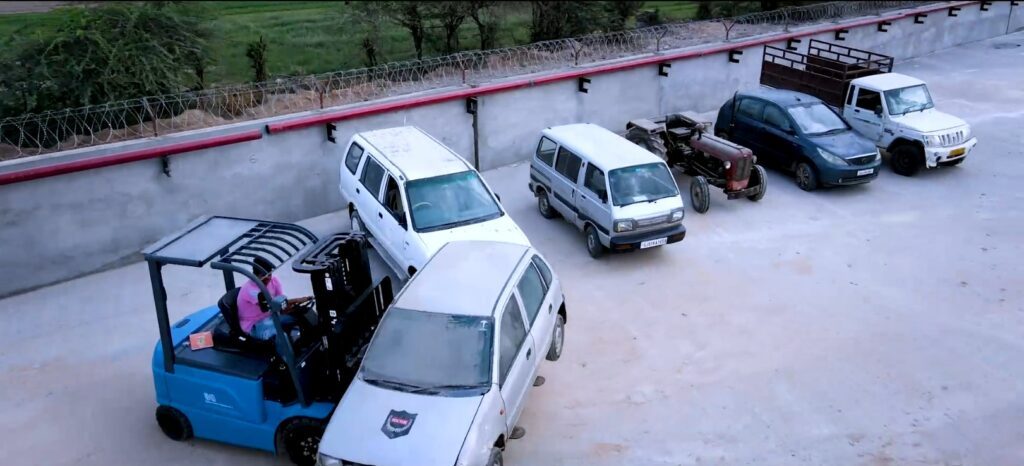
The car kabadi market plays a vital role in India’s automobile and recycling ecosystem. Often overlooked, this market is much more than just a place for scrapped vehicles. It is a structured network where old, damaged, or end-of-life cars are dismantled, recycled, and reused in an environmentally responsible way. With rising vehicle ownership and stricter environmental regulations, the importance of the car kabadi market has grown significantly in recent years.
What Is a Car Kabadi Market?
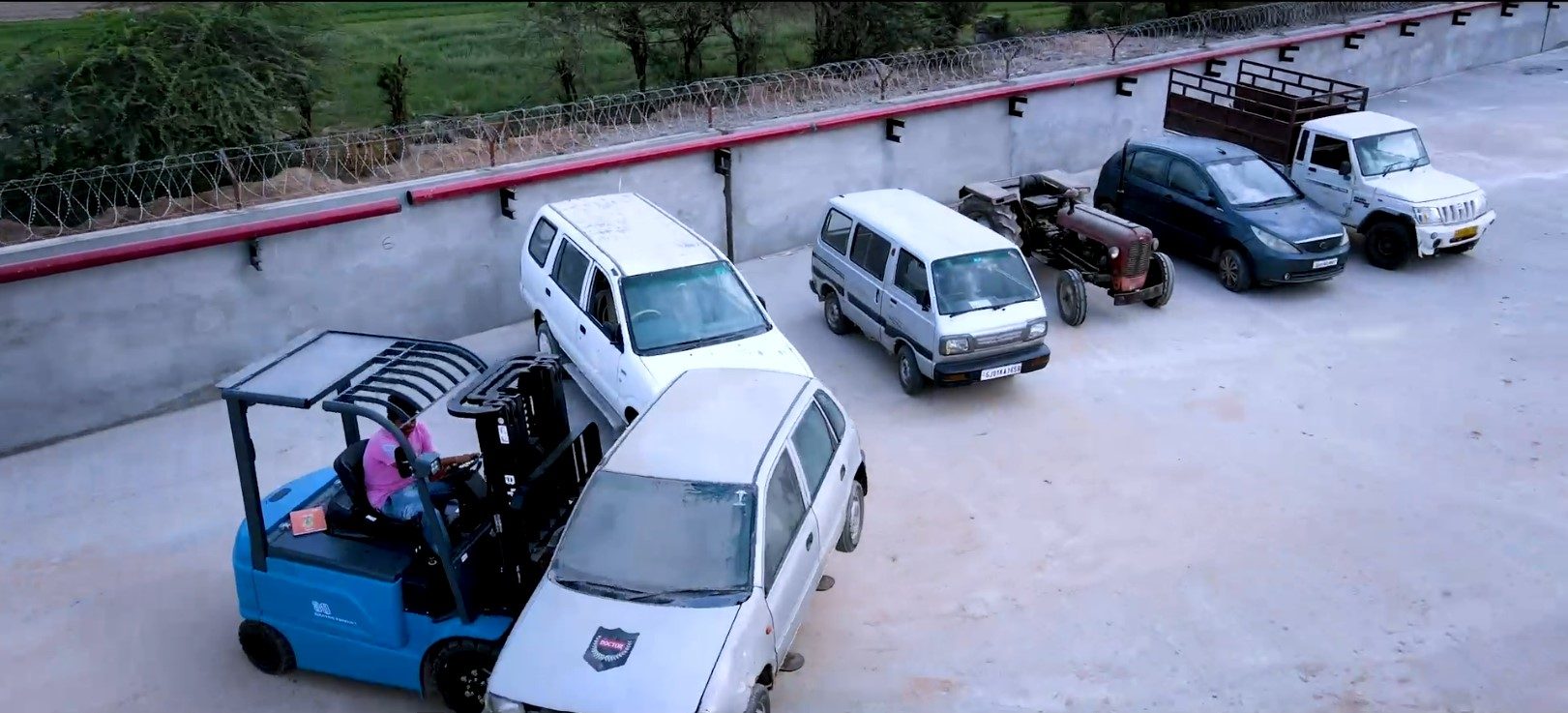
A car kabadi market is a specialized hub where scrap cars are bought, sold, dismantled, and recycled. These markets deal with vehicles that are no longer roadworthy due to age, accidents, or mechanical failure. Instead of letting such vehicles rust away or pollute the environment, the kabadi market ensures that usable parts are recovered and waste materials are processed correctly.
Typically, the market includes scrap dealers, dismantlers, parts resellers, and recycling units. Each stakeholder contributes to extending the lifecycle of automotive materials and components.
How the Car Kabadi Market Works
The process usually begins when a vehicle owner decides to dispose of an old or damaged car. The vehicle is sold to a scrap dealer based on its weight, condition, and reusable parts. After purchase, the car is transported to a dismantling yard where it is carefully taken apart.
Reusable components such as engines, gearboxes, alternators, doors, mirrors, and seats are separated and tested. These parts are later sold in the secondary market at affordable prices. Materials like steel, aluminum, copper, rubber, and plastic are sorted and sent to recycling facilities. Hazardous elements such as batteries, oils, and fluids are disposed of following safety and environmental guidelines.
Why the Car Kabadi Market Is Important
The car kabadi market offers several economic and environmental benefits:
-
Environmental Protection
Recycling vehicles reduces landfill waste and minimizes soil and water pollution caused by abandoned cars. Proper disposal of oils, coolants, and batteries prevents toxic leakage into the environment. -
Resource Conservation
Metals recovered from scrap cars reduce the need for mining new raw materials. Recycling steel and aluminum saves energy and lowers carbon emissions. -
Affordable Auto Parts
Reused spare parts from kabadi markets provide cost-effective solutions for vehicle repairs, especially for older car models where new parts may be expensive or unavailable. -
Employment Generation
The market creates jobs for mechanics, transporters, recyclers, and traders, supporting local economies.
Legal and Regulatory Aspects
In India, vehicle scrapping policies have brought more structure to the car kabadi market. Regulations encourage the scrapping of old vehicles to reduce pollution and improve road safety. Authorized scrapping centers are required to follow specific guidelines for dismantling and recycling.
Vehicle owners are advised to deal with registered scrap dealers to ensure proper documentation and legal compliance. This also helps avoid misuse of vehicle registration numbers or illegal resale.
Things to Know Before Selling a Scrap Car
If you plan to sell your old car in the kabadi market, keep these points in mind:
-
Remove personal belongings from the vehicle.
-
Cancel the vehicle registration with the local transport authority.
-
Compare prices from multiple scrap dealers to get a fair deal.
-
Ensure you receive a sale receipt or certificate of destruction.
-
Verify that hazardous materials will be disposed of responsibly.
Challenges Faced by the Car Kabadi Market
Despite its importance, the car kabadi market faces several challenges. A large portion of the market still operates informally, leading to unsafe dismantling practices and environmental risks. Lack of awareness among vehicle owners also results in improper disposal of old cars.
However, increasing government oversight and the rise of organized recycling centers are gradually improving standards across the industry.
Future of the Car Kabadi Market in India
The future of the car kabadi market looks promising. With growing emphasis on sustainability, electric vehicles, and circular economy practices, vehicle recycling will become even more critical. Modern scrapping facilities equipped with advanced machinery are expected to replace traditional methods, ensuring higher recovery rates and better environmental compliance.
Digital platforms are also making it easier for car owners to connect with scrap dealers, track processes, and receive transparent pricing. This shift will bring greater trust and efficiency to the market.
Conclusion
The car kabadi market is an essential yet underappreciated part of the automotive value chain. It supports recycling, reduces environmental impact, and provides affordable spare parts to millions of vehicle owners. By choosing responsible scrapping options and supporting organized recycling practices, individuals can contribute to a cleaner environment and a more sustainable future. As awareness and regulations continue to improve, the car kabadi market is set to evolve into a more transparent, efficient, and eco-friendly industry.