Every time you board a train or drive on a highway, you trust what’s beneath you. You expect tracks to stay strong and roads to remain safe. But traffic is growing fast, and much of today’s infrastructure is getting older.
Manual checks alone can’t keep up anymore. Small problems can turn into serious risks if they go unnoticed. This is where fiber optic sensors come in. They work quietly in the background, watching for early signs like vibration or stress.
By catching issues early, they help prevent accidents and keep travel safer for everyone. Now, let’s see how this technology works and why it matters.
So, What Are Fiber Optic Sensors Really Doing?
Think of fiber optic sensors as smart listeners. They use light to notice small changes in vibration, heat, or pressure. When something feels off, the system sends an alert right away. There’s no waiting and no need for manual checks.
This is why proper planning through fiber optic sensing consultation is so important. It helps place sensors in the right areas across railways and highways that stretch for miles. Instead of guessing where a problem might be, safety teams get clear location data. They know exactly where to look, which saves time and helps fix issues faster.
Why Real-Time Alerts Matter So Much
Small problems can turn dangerous fast. A loose rail. A weak bridge joint. A stressed road surface. These issues don’t always show clear signs at first.
Fiber optic sensors watch everything in real time. If something changes, alerts go out instantly. Crews can act early, fix the issue, and keep traffic moving safely. This quick response helps prevent derailments, accidents, and unexpected closures.
- Catching Trouble Before It Gets Serious
Tiny cracks and vibrations are easy to miss during manual inspections. But fiber optic sensors don’t miss them.
On rail tracks, they detect unusual movement that may point to wear or damage. On highways, they sense pressure changes from heavy vehicles or surface stress. Spotting these signs early means repairs happen sooner and costs stay lower. Most importantly, people stay safe.
- Built for Tough Weather and Rough Conditions
Rain. Heat. Snow. Dust. Transport routes face it all. Fiber optic sensors are designed to handle these conditions without losing accuracy.
They don’t react to electrical noise and keep working in extreme temperatures. This makes them reliable for tunnels, bridges, remote highways, and long rail lines where regular checks are hard to manage.
- Less Guesswork, Faster Maintenance
Traditional inspections take time. Teams travel long distances, inspect manually, and then report findings. Fiber optic sensing changes that.
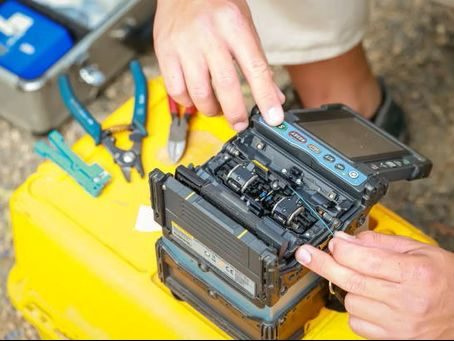
Data is collected all the time. When a problem shows up, crews know the exact location. This speeds up repairs and reduces shutdown time. When maintenance is planned well, searching for a fiber optic cable repair service near me becomes part of routine care instead of an urgent scramble.
- Helping Build Smarter Transport Systems
Modern railways and highways rely on data to manage traffic and improve safety. Fiber optic sensors fit right into this setup.
They feed live data to control centers. This helps teams manage speeds, plan repairs, and reduce congestion. Over time, this leads to smoother travel and fewer surprises for commuters and drivers.
Why Planning Makes All the Difference
Installing sensors is only one part of the work. Where they are placed and how they connect matters just as much. That’s why fiber optic sensing consultation is important. Good planning helps avoid blind spots and ensures full coverage across tracks and roads.
When sensors are set up the right way, safety teams can respond faster, make clear decisions, and handle issues before they turn into serious problems.
Why More Cities Are Paying Attention
Traffic continues to rise, and roads and railways are under more pressure than ever. At the same time, much of the infrastructure is getting older. Safety teams need smarter tools to keep people protected. Fiber optic sensors offer a practical solution.
They monitor conditions around the clock, work reliably in tough environments, and cover long distances without needing constant human checks. This helps reduce risks and improve overall safety.
Final Words
Fiber optic sensors are quietly changing how railways and highways stay safe. They spot problems early, reduce accidents, and help teams respond faster. With steady monitoring and smart planning, transport systems become safer for everyone.
By keeping networks maintained with a reliable fiber optic cable repair service and planning systems through fiber optic sensing consultation, authorities can protect lives and reduce risks. Sometimes, the biggest safety upgrades are the ones most people never see—but benefit from every single day.
Visit Us : https://maps.app.goo.gl/BwgTbKa5mhFtinYb6