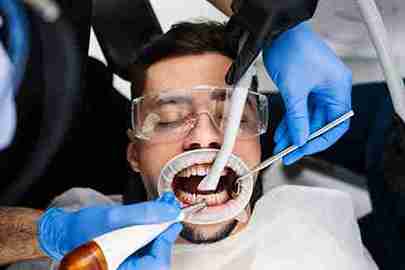
Mini dental implants offer a minimally invasive option for replacing missing teeth or stabilising dentures, with immediate loading providing rapid restoration of function and aesthetics. Immediate loading works best when primary implant stability is achieved, bone quality is adequate, and occlusal forces are well controlled. Careful patient selection, precise surgical placement, and comprehensive treatment planning are essential to reduce failure risks. While not suitable for all cases, immediate loading can significantly enhance patient satisfaction when clinical conditions are favourable. By assessing anatomical factors and following evidence-based protocols, clinicians can optimise outcomes and ensure predictable, long-term success with mini dental implants.
Understanding Mini Dental Implants
Mini dental implants are narrow-diameter implants, usually less than 3 mm wide, designed to support crowns, bridges, or dentures in areas with limited bone volume. Their smaller size often allows placement without the need for bone grafting, reducing both surgical complexity and recovery time.
Key Benefits of Mini Dental Implants:
- Less invasive surgical procedure with smaller incisions
- Reduced healing time and faster restoration
- Suitable for patients with limited bone volume
- Cost-effective alternative to conventional implants
- Immediate stabilisation of removable dentures
For dental clinics offering dental implant Edinburgh treatments, mini implants provide an attractive option for patients who want quick, minimally invasive solutions with predictable results.
What Is Immediate Loading?
Immediate loading refers to placing a provisional or permanent restoration on a dental implant within 48 hours of its insertion. Unlike traditional protocols, which require several months of healing before attaching a restoration, immediate loading allows patients to regain function and aesthetics almost immediately.
Loading Protocols Include:
- Immediate Functional Loading: Implant is fully loaded for normal biting
- Immediate Non-Functional Loading: Restoration is placed for aesthetics with minimal contact during chewing
- Early Loading: Restoration attached within 6–8 weeks
- Delayed Loading: Restoration placed after 3–6 months of healing
Immediate loading can improve patient experience, but careful evaluation is essential to ensure that the implant can withstand functional forces without compromising osseointegration.
Biological and Mechanical Considerations
The success of immediate loading depends on a delicate balance between biological healing and mechanical stability. Mini dental implants must achieve primary stability, which is the initial mechanical engagement with the bone, to support early function.
Factors Affecting Immediate Loading Success:
|
Factor |
Clinical Importance |
|
Primary stability |
Prevents micromovement and supports osseointegration |
|
Bone density |
Denser bone allows earlier loading |
|
Implant design |
One-piece implants distribute load effectively |
|
Occlusion |
Minimises excessive forces that could disrupt healing |
|
Patient habits |
Bruxism or clenching can compromise implant success |
Excessive micromovement during the early healing phase can jeopardise osseointegration, increasing the risk of failure. Proper assessment of these factors is crucial for patients undergoing Mini Dental Implants Edinburgh procedures.

Ideal Cases for Immediate Loading
Immediate loading works best in carefully selected patients with the right combination of bone quality, implant stability, and oral health.
Characteristics of Suitable Candidates:
- Adequate bone volume and density at the implant site
- Single tooth replacement or stabilisation of a removable denture
- Healthy systemic and oral conditions
- Controlled occlusion with minimal parafunctional habits
- High primary stability achievable during surgery
Additional Points for Consideration:
- No uncontrolled diabetes or systemic conditions affecting bone healing
- Good oral hygiene and patient compliance
- Low risk of mechanical overload during the initial healing phase
Clinicians providing Dental Implant Edinburgh services often use immediate loading for patients who meet these criteria to shorten treatment time and enhance patient satisfaction.
Situations Requiring Caution
Immediate loading is not universally appropriate. Certain conditions increase the risk of complications, and clinicians must assess these factors before proceeding.
Cautionary Situations Include:
- Poor bone quality or insufficient bone volume
- Multiple adjacent implants or complex full-arch restorations
- Severe bruxism or heavy occlusal forces
- Active infection or compromised soft tissue health
- Uncontrolled systemic conditions that affect healing
Risk assessment is essential to determine whether a delayed loading approach would be safer and more predictable for long-term success.
Clinical Planning and Surgical Considerations
Successful immediate loading begins long before the restoration is attached. Careful surgical and prosthetic planning ensures the implant can tolerate early function without jeopardising osseointegration.
Planning and Surgical Steps:
- Diagnostic imaging, such as CBCT, to evaluate bone volume and anatomical structures
- Selection of flap or flapless surgical technique based on tissue health
- Achieving optimal implant angulation and position for a one-piece mini implant
- Occlusal evaluation to manage functional forces on the provisional restoration
- Clear communication with the patient about limitations and aftercare
By integrating careful planning with precise surgical technique, clinicians can enhance the predictability of immediate loading outcomes.
Post-Operative Care and Monitoring
Even with perfect placement, patient cooperation is crucial for the success of immediately loaded mini implants.
Recommended Post-Operative Guidelines:
- Follow a soft diet during early healing to prevent overload
- Maintain gentle yet thorough oral hygiene around implant sites
- Attend scheduled follow-up appointments for monitoring stability and occlusion
- Adjust provisional restorations early if signs of tissue stress or overload appear
- Monitor for inflammation or discomfort around the implant
Regular monitoring allows early detection of potential issues, ensuring the implant remains stable and the surrounding tissue heals optimally.

Clinical Outcomes and Long-Term Success
When immediate loading is applied to well-selected mini dental implant cases, clinical studies report high success rates comparable to delayed loading protocols.
Key Benefits Observed:
- Faster restoration of chewing function and speech
- Immediate aesthetic improvement for patients
- Reduced overall treatment time and fewer appointments
- Enhanced patient satisfaction and confidence
Success depends on a combination of surgical precision, controlled occlusal forces, high primary stability, and patient adherence to post-operative instructions. Clinics offering mini dental implants Edinburgh increasingly recommend immediate loading for suitable candidates, particularly for single tooth replacement and denture stabilisation.
Conclusion
Immediate loading of mini dental implants can offer significant advantages in terms of speed, function, and patient satisfaction. However, it is most effective in patients with adequate bone density, high primary implant stability, controlled occlusion, and good oral hygiene. Risk assessment, precise planning, and ongoing monitoring are essential to prevent complications and ensure long-term success.For patients seeking expert mini implant solutions with personalised care and predictable outcomes, Smilo Dental Implant Edinburgh provides comprehensive treatment planning and professional expertise to deliver safe, effective, and aesthetically pleasing results.