In today’s highly regulated industries, ensuring that software not only works as intended but also meets compliance standards is no longer optional. Healthcare, finance, insurance, and e-commerce organizations must adhere to strict regulatory requirements such as HIPAA, GDPR, SOX, and PCI DSS. Any gap in documentation, traceability, or accountability can lead to hefty fines, reputational damage, and operational setbacks.
This is where automated test frameworks with built-in audit logging play a critical role. These frameworks not only accelerate testing but also provide verifiable history demonstrating that your application was compliant at every stage in its lifecycle.
Why Audit Logging Matters in Test Automation
Audit logging ensures every action in your testing process is recorded and traceable. Key benefits include:
- Traceability of Tests: Each test performed, whether automated or manual, is traced in relation to its inputs, outputs, and execution context.
- Historical Record for Audit Purposes: Sometimes, a compliance body requests the historical records of tests.Audit logs provide an immutable history, simplifying audit preparation.
- Security and Accountability: With audit logging, there is a clear record of who executed which test, when, and under what conditions, reducing the risk of tampering or error.
- Stakeholder Confidence: Audit-ready logs demonstrate reliability and transparency to regulators, clients, and internal teams.
In essence, audit logging turns your automated testing into a compliance enabler rather than just a productivity tool.
Key Features of a Compliance-Ready Test Automation Framework
A framework designed with compliance in mind should include:
- Immutable Logs — Time-stamped records for every run of a test, along with results and approvals that can’t be altered whatsoever.
- Version Control Integration — It tracks changes made to test scripts and data and environments, keeping track of every history for every change.
- Access Control & Permissions — A role-based access control restricts people who can trigger tests or view results considered sensitive.
- Audit Trails for Test Data — Documentation of how test data is created, masked, and used, ensuring sensitive information remains secure.
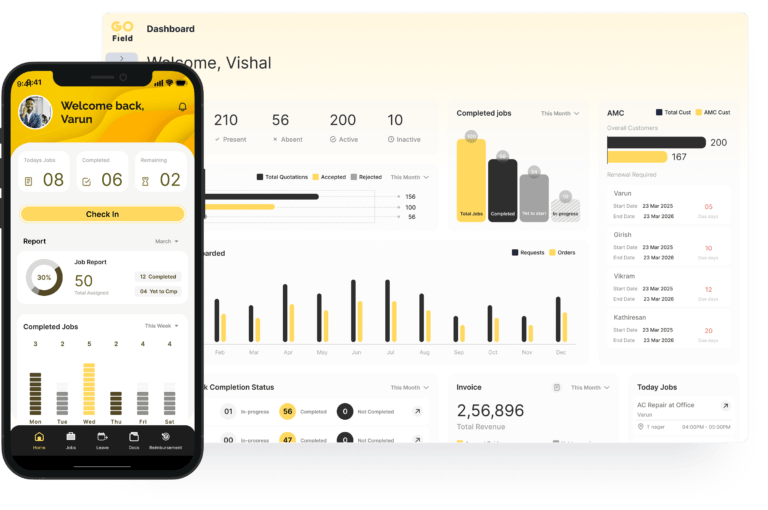
- Automated Reporting — Dashboards that highlight compliance status, test coverage, and anomalies for auditors and management.
By providing these features, organizations stay compliant without affecting the speed of development or QA cycles.
Quality assurance modernization teams can work with testing automation service experts to speed up that process and ensure compliance is built into every pixel of delivery.
How Audit Logging Works in Practice
Audit logging can be implemented naturally alongside CI/CD pipeline automation. A common way is:
- Logging Test Execution: Every test run is logged with details on the user triggering the test, environment used, version of code, and configuration settings.
- Recording Results: Pass/fail results, error messages, screenshots, or logs are captured automatically.
- Capturing Metadata: Timestamps, approvals, and changes applied all prove these activities, ensuring lasting traceability.
- Secure Storage: The provided information is encrypted and stored in a centralized, immutable repository for easy retrieval during audits.
By ensuring that logging is embedded at the framework level, an organization can ascertain that every automated action is traceable with no manual overhead.
Benefits for Compliance-Heavy Industries
1. Healthcare: regulations require patient data to be handled with extreme care. Automated Unframework audit logging systems ensure that test data is anonymized, traced, and compliant.
2. In finance: SOX and GDPR require verifiable processes for software change management, financial reporting, and data handling. Automation that is audit ready provides evidence that these checks are consistently applied.
3. Insurance: Regulators sometimes insist on documented workflows and system validation. Audit logs will assist insurers in providing compliance proof for internal and external audits.
4. Ecommerce: PCI DSS standards for payment processing enforce security testing with strict consistency. In audit logging, one ensures that all vulnerability scans and security tests are properly documented and repeatable.
QA and software testing services merging compliance automation and audit logging into the development lifecycle are a major boon to enterprises in these sectors.
Choosing the Right Tools and Partners
When deciding on tools or vendors for compliance-oriented automation:
- Built-in Audit Features: Seek frameworks or platforms that provide logging, version control, reporting, etc., as fully integrated, out-of-the-box features.
- Integration Capabilities: Logs should integrate with the existing GRC systems to eliminate anything manual in reporting.
- Domain Expertise: Vendors who are working with regulated industries will understand the nuances in compliance requirements.
If your organization is evaluating partners for automation or DevOps consulting services, it’s important to choose a provider that emphasizes compliance and transparency across the entire testing pipeline.
Roadmap to Implementing Audit-Enabled Test Automation
- Map Compliance Requirements: Identify regulatory clauses applicable to a given software and map the clauses onto test cases.
- Integrate Logging Modules: Audit logging is to be configured for every test run, recording metadata, results, and approvals.
- Define Retention Policies: The period of retention and the mode of holding the security of logs should be considered.
- Train Teams: QA, DevOps, and compliance teams should know how to use the framework.
- Pilot and Scale: Begin with a pilot project; gather feedback and scale the approach across systems, as appropriate.
- Continuous Monitoring: Keep looking at the logs and dashboard along with metrics for compliance and further improvement.
Organizations already using custom software development services could extend their DevOps pipelines with audit-ready testing modules to secure agility and compliance posture.
Conclusion
Test automation with embedded audit logging is not just a productivity savior but a compliance strategy in its own right. In simple terms, traceability, security, and reporting are built into the test frameworks, thus helping organizations cut down on risks, aid regulatory compliance, and bolster the overall quality of software.
Investing in an audit-ready test automation framework ensures that compliance becomes an integral part of your development lifecycle rather than an afterthought, giving your organization the confidence to innovate while staying regulator-ready.