Imagine walking through the magnificent halls of an ancient Chinese palace, where silk curtains flutter in the breeze and servants attend to every detail of royal life. Among all the treasures, artwork, and luxuries that filled these palaces, you would find something unexpected sitting on embroidered cushions beside emperors and empresses. Small, charming dogs with expressive faces and curled tails enjoyed privileges that most humans could only dream of. These were the original Chinese pugs, and they held a special place in the hearts of Chinese royalty for over two thousand years.
The bond between Chinese royal families and their beloved pugs wasn’t simply about owning pets. It was a relationship steeped in symbolism, spiritual meaning, cultural significance, and genuine affection. Understanding why these dogs were so treasured gives us insight into ancient Chinese culture and helps explain how the pug breed survived and thrived across millennia to become one of the world’s most recognizable dog breeds today.
The Ancient Origins of Royal Companionship
The history of the original Chinese pug begins during the Han dynasty, which ruled China from approximately 206 BC to 200 AD. This was a golden age of Chinese civilization, marked by advances in art, technology, trade, and culture. During this prosperous period, Chinese nobles and royalty began developing small companion dogs that would become the ancestors of today’s pugs.
These early dogs were known by various names, including “Lo-sze” or “Lo-chiang-sze,” and they were bred specifically for companionship rather than work. While other dogs in China served practical purposes like guarding, hunting, or herding, the original Chinese pug existed purely to provide comfort, entertainment, and emotional connection to their royal owners. This distinction made them special from the very beginning, as they represented a luxury that only the wealthiest and most powerful members of society could afford.
The development of the original Chinese pug coincided with the growth of the Silk Road trade routes, which connected China to the rest of Asia and eventually Europe. However, for many centuries, these precious dogs remained exclusively within China’s borders, carefully guarded as national treasures that were too valuable to share with the outside world.
Symbolism and Cultural Meaning
Chinese culture has always been rich with symbolism, and the original Chinese pug carried several important symbolic meanings that made them particularly appealing to royal families. One of the most significant associations was with the Chinese concept of “fu,” which means good fortune or happiness. These small dogs were believed to bring luck and positive energy to their owners, making them valuable spiritual companions as well as physical ones.
The pug’s facial features also held symbolic importance. The wrinkles on their foreheads were said to resemble Chinese characters, and legend has it that breeders tried to create patterns that spelled out the word “prince” in these wrinkles. Whether or not this legend is entirely accurate, it demonstrates how deeply the Chinese nobility connected these dogs with royalty and noble status. The original Chinese pug wasn’t just a pet; it was a living symbol of imperial power and divine favor.
Additionally, the pug’s compact, sturdy body and confident demeanor were associated with strength and dignity despite their small size. Chinese philosophy valued the concept of inner strength and quiet power, and pugs seemed to embody these qualities perfectly. They carried themselves with an almost regal bearing that matched the environments they lived in.
Connections to Buddhism and Spirituality
The relationship between the original Chinese pug and Chinese royal families also had important spiritual dimensions. Buddhism, which became increasingly influential in China during the Han dynasty and subsequent periods, had a significant impact on how these dogs were viewed and treated. Buddhist monasteries in Tibet and China kept small dogs that were likely related to or influenced the development of pugs, and this religious connection added to their perceived spiritual value.
Monks valued these dogs for their calm, contemplative nature and their ability to provide companionship during long hours of meditation and study. Some historians believe that Buddhist monks may have actually played a role in breeding and refining the original Chinese pug, selecting for traits that aligned with Buddhist values like gentleness, devotion, and peaceful temperament.
For royal families who practiced Buddhism or incorporated Buddhist beliefs into their spiritual lives, owning pugs connected them to this religious tradition. The dogs became associated with enlightenment, wisdom, and spiritual protection. Some royals believed that their pugs possessed special spiritual qualities that could ward off evil spirits and bring blessings to the palace.
The Ultimate Status Symbol
In ancient China, what you owned and how you lived communicated your social standing to everyone around you. The original Chinese pug became one of the ultimate status symbols because owning one required significant wealth, connections, and social position. These dogs were not available to common people, and strict laws sometimes prohibited anyone outside the imperial family or high nobility from owning them.
The expense of keeping pugs properly was considerable. These dogs required special diets, comfortable living quarters, regular grooming, and attentive care. Royal pugs often had their own servants dedicated exclusively to their wellbeing, ensuring they were fed the finest foods, kept clean and comfortable, and protected from any harm. Some pugs even had their own miniature palaces or elaborately decorated rooms within the larger royal residence.
Giving a pug as a gift was considered one of the highest honors one could bestow. When Chinese emperors wished to show favor to loyal officials, military heroes, or foreign dignitaries, presenting them with an original Chinese pug was a gesture of tremendous significance. Receiving such a gift meant you had truly earned the emperor’s respect and trust. This practice helped spread pugs among the Chinese nobility while still maintaining their exclusive, prestigious status.
Loyalty and Companionship in Palace Life
Life within the Chinese imperial court was often filled with political intrigue, competition, and uncertainty. Emperors, empresses, and other royals could never be entirely sure who among their human companions was genuinely loyal and who might be scheming for power or advantage. In this atmosphere of constant vigilance and suspicion, the original Chinese pug offered something invaluable: unconditional love and unwavering loyalty.
Pugs became trusted confidants who would never betray secrets, never seek political advantage, and never judge their owners. Royal family members could relax and be themselves around their dogs in ways they couldn’t always manage with human courtiers. The emotional support these animals provided was genuinely therapeutic, offering stress relief and comfort during difficult times.
Historical records describe emperors who were deeply attached to their pugs, spending hours playing with them, talking to them, and keeping them close during important meetings and ceremonies. Empresses and concubines also treasured their pugs as faithful companions in the often isolated world of the women’s quarters. For royal children, pugs served as beloved playmates and first lessons in responsibility and caregiving.
How Royal Pugs Were Treated
The treatment of the original Chinese pug within royal households was nothing short of extraordinary. These dogs lived in luxury that exceeded what most humans experienced during that era. They slept on silk cushions and fine fabrics, ate specially prepared meals that might include rice, meat, and other delicacies, and received constant attention from dedicated caretakers.
Security for royal pugs was taken seriously. Guards were sometimes assigned specifically to protect valuable dogs from theft or harm. Given that these animals represented significant status and were nearly impossible to obtain outside royal circles, they would have been tempting targets for thieves or rivals. The security measures ensured that the precious dogs remained safe within palace walls.
Veterinary care, while not as advanced as modern medicine, was provided by the best animal healers available. When a royal pug became ill or injured, considerable resources were devoted to their treatment and recovery. The death of a beloved pug was mourned genuinely, and some dogs were given elaborate burial ceremonies befitting their status as cherished companions.
Breeding Programs and Preservation
The Chinese royal families took the breeding of the original Chinese pug very seriously, implementing careful programs to maintain and improve the breed over generations. Breeding decisions were not left to chance; instead, dogs with desirable traits were deliberately paired to produce puppies that met royal standards for appearance, temperament, and health.
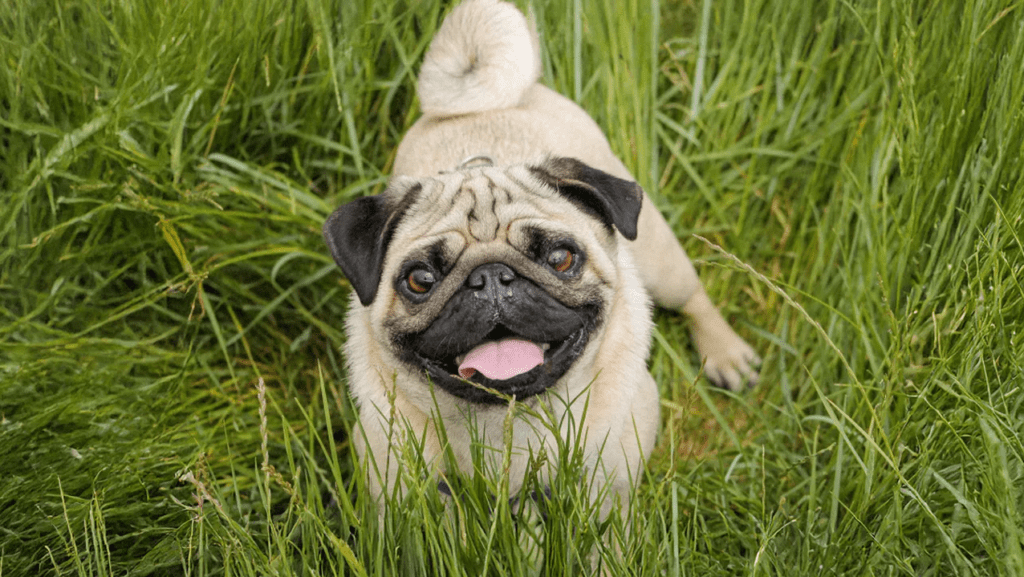
This careful attention to breeding helped establish the consistent characteristics that defined pugs as a distinct breed. The curled tail, the compact body, the expressive face, and the charming personality were all refined through generations of selective breeding within royal kennels. The original Chinese pug that emerged from these programs was a well-defined breed with predictable traits that made them ideal companions.
Interestingly, the royal breeding programs of ancient China focused on creating healthy, functional dogs with good temperaments. While they bred for small size and certain aesthetic features, the extreme physical characteristics seen in modern pugs were not yet present. The original Chinese pug could breathe normally, exercise freely, and live a comfortable, active life. This stands in contrast to some modern breeding practices that have prioritized extreme features over health.
The Legacy Lives On
The value that Chinese royal families placed on the original Chinese pug ultimately ensured the breed’s survival and spread around the world. When trade between China and Europe increased during the 16th and 17th centuries, pugs were among the treasures that made their way westward. Dutch traders are credited with bringing pugs to Europe, where they quickly captured the hearts of European nobility.
The same qualities that made pugs beloved by Chinese emperors appealed to European kings, queens, and aristocrats. The breed’s association with royalty continued in its new home, with pugs becoming favorites of the House of Orange in the Netherlands, Queen Victoria in England, and numerous other royal houses across Europe. The prestige that originated in Chinese palaces followed the pug wherever it went.
Today, pugs remain one of the most popular companion dog breeds worldwide. While they now live in ordinary homes rather than palaces, they continue to provide the same qualities that Chinese royalty valued thousands of years ago. Their affectionate nature, playful personality, and remarkable ability to form deep bonds with their humans make them wonderful companions for people from all walks of life.
Conclusion
The original Chinese pug earned its treasured place in Chinese royal households through a combination of symbolic meaning, spiritual significance, and genuine companionship value. These remarkable little dogs represented good fortune, noble status, and divine favor while simultaneously providing unconditional love and emotional support to their royal owners. They were status symbols, spiritual companions, loyal friends, and sources of joy all wrapped into one small, charming package.
Understanding why Chinese royal families valued pugs so highly helps us appreciate the breed’s incredible heritage and the special qualities that have made them beloved companions for over two thousand years. The bond between humans and pugs that began in ancient Chinese palaces continues today in homes around the world, proving that the appeal of these wonderful dogs truly transcends time, culture, and social status. The legacy of the original Chinese pug lives on in every pug that curls up on a couch, plays enthusiastically with their family, or gazes adoringly at their owner with those expressive, soulful eyes.