In Dubai, air conditioners operate almost year-round due to extreme heat and high humidity levels. While AC systems provide essential comfort, they can also hide a serious and often overlooked threat—mold growth. Mold inside air conditioners is not always visible, yet it can silently affect indoor air quality, health, and system performance. In a humid environment like Dubai, the risk is significantly higher, making awareness and preventive maintenance crucial.
This article explores the hidden dangers of mold in air conditioners, why it is common in Dubai, and how homeowners and businesses can protect themselves.
Why Mold Thrives in Dubai’s AC Systems
Mold requires three things to grow: moisture, warmth, and organic material. Dubai’s climate provides all three.
Air conditioners naturally create moisture as they cool warm air. During periods of high humidity, excess condensation forms on evaporator coils, inside drain pans, and within air ducts. If drainage is blocked or filters are dirty, moisture lingers, creating the perfect breeding ground for mold spores.
Contributing factors include:
- High outdoor humidity, especially during summer and coastal conditions
- Poor ventilation and airflow
- Clogged drain lines
- Dirty filters and coils
- Infrequent professional AC servicing
Once mold develops, it spreads quickly through the ductwork and circulates throughout indoor spaces.
Health Risks of Mold in Air Conditioners
One of the most serious dangers of mold in AC systems is its impact on health. Mold spores become airborne and are inhaled daily, often without occupants realizing the source.
Respiratory Issues
Mold exposure can irritate the respiratory system, causing symptoms such as:
- Persistent coughing
- Wheezing or shortness of breath
- Sinus congestion
- Throat irritation
People with asthma or chronic respiratory conditions may experience more frequent and severe attacks.
Allergic Reactions
Mold is a common allergen. Even healthy individuals may develop symptoms including sneezing, itchy eyes, skin rashes, and fatigue. In Dubai, where AC use is constant, prolonged exposure increases the risk of developing mold-related allergies.
Serious Health Complications
Certain molds produce toxins that can weaken the immune system and, in extreme cases, cause neurological symptoms. Children, elderly individuals, and people with compromised immunity are particularly vulnerable.
Poor Indoor Air Quality and Odors
A musty or damp smell when the AC repair company dubai is running is often one of the first signs of mold growth. Unfortunately, many people ignore this warning.
Mold-contaminated AC systems reduce indoor air quality by:
- Circulating spores and bacteria
- Trapping dust and allergens
- Creating stale, unpleasant indoor air
Poor air quality affects productivity in offices and comfort in homes, making living and working environments unhealthy.
Damage to the AC System
Mold doesn’t just affect health—it damages the air conditioning system itself. Mold buildup restricts airflow by clogging filters, coils, and ducts. As a result, the AC must work harder to cool the space.
Common system-related consequences include:
- Reduced cooling efficiency
- Uneven temperature distribution
- Increased energy consumption
- Higher electricity bills
- Frequent breakdowns
Over time, mold-related strain can shorten the lifespan of the AC unit, leading to expensive repairs or early replacement.
Water Leakage and Property Damage
Mold growth often goes hand-in-hand with clogged drain lines. When condensation cannot drain properly, water backs up and leaks from indoor units.
In Dubai homes and offices, this can cause:
- Damp walls and ceilings
- Peeling paint
- Damage to furniture and flooring
- Additional mold growth in surrounding areas
What starts as a minor AC issue can quickly escalate into widespread property damage if left untreated.
Why Mold Problems Often Go Unnoticed
One of the biggest dangers of mold in air conditioners is that it is hidden. Mold grows inside ducts, behind panels, and on internal components—areas rarely inspected by homeowners.
Because symptoms often develop gradually, many people fail to connect health issues or rising energy bills to their AC system. By the time mold becomes visible or odors worsen, the contamination is already widespread.
Importance of Regular AC Maintenance in Dubai
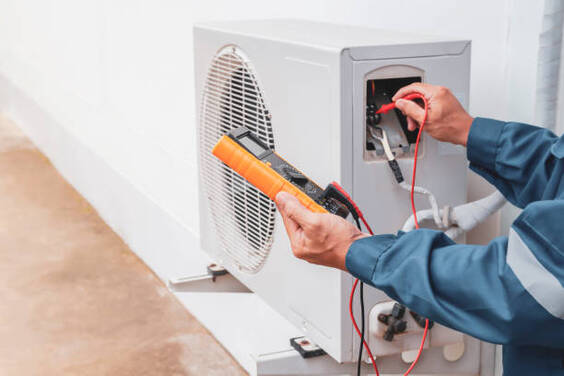
Given Dubai’s climate, regular AC maintenance is not optional—it is essential. Professional inspections help detect early signs of mold and moisture buildup before they become serious problems.
Effective preventive maintenance includes:
- Cleaning or replacing air filters regularly
- Flushing and unclogging drain lines
- Cleaning evaporator coils and ducts
- Checking ventilation and airflow
- Inspecting humidity control performance
Many AC service in Dubai offer affordable maintenance packages designed specifically to combat mold and humidity-related issues.
Simple Steps to Reduce Mold Risk
In addition to professional servicing, occupants can take preventive steps:
- Keep indoor humidity levels below 50%
- Ensure vents are not blocked by furniture
- Use exhaust fans in bathrooms and kitchens
- Address water leaks immediately
- Schedule AC inspections before peak summer and humid seasons
These measures significantly reduce the chances of mold formation.
Conclusion
Mold in air conditioners is a hidden danger that can compromise health, comfort, and energy efficiency—especially in Dubai’s hot and humid environment. From respiratory problems and poor indoor air quality to system damage and property leaks, the risks are too serious to ignore.
Regular AC maintenance, proper ventilation, and timely inspections are the most effective ways to prevent mold growth. By taking proactive steps, Dubai homeowners and businesses can ensure cleaner air, better cooling performance, and a healthier indoor environment year-round.