Cleanrooms are essential environments across pharmaceutical, biotech, semiconductor, aerospace, and medical device industries. Their primary purpose is to maintain strict control over airborne particles, temperature, humidity, pressure, and microbial contamination. Among all aspects of cleanroom design and build, HVAC systems, airflow distribution, and contamination control strategies form the backbone of an efficient and compliant cleanroom. These components ensure a controlled environment that meets ISO 14644 standards and industry-specific regulatory requirements.
This article explores the key HVAC design principles, airflow patterns, and contamination control strategies required to build a high-performance cleanroom.
Understanding the Role of HVAC in Cleanroom Design
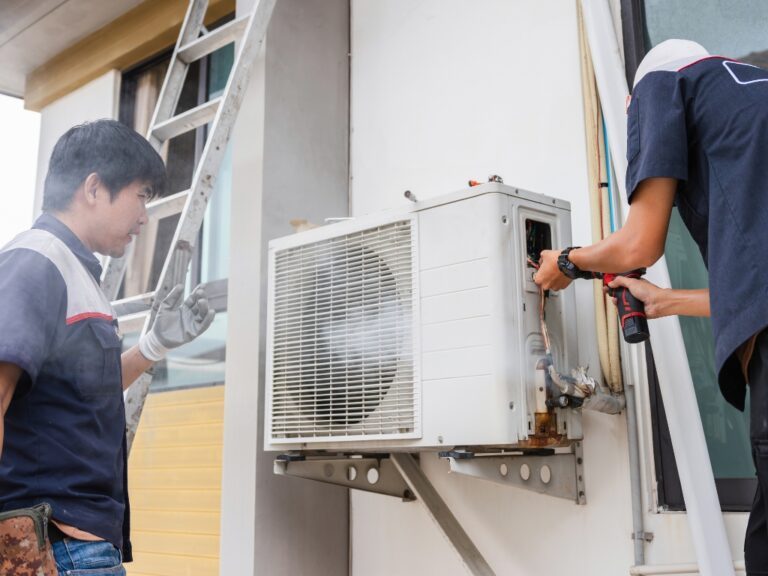
In cleanroom construction, the HVAC system is fundamentally different from standard commercial HVAC systems. It must maintain a precisely controlled environment to ensure product safety, process efficiency, and regulatory compliance. The system is responsible for clean air delivery, particulate removal, pressure stabilization, temperature, and humidity regulation.
1. Air Cleanliness and Filtration Requirements
Cleanrooms use HEPA (High Efficiency Particulate Air) and ULPA (Ultra-Low Penetration Air) filters to achieve specific cleanliness classes:
-
HEPA filters: Capture 99.97% of particles ≥0.3 microns
-
ULPA filters: Capture 99.9995% of particles ≥0.12 microns
Cleanroom classification ranges from ISO Class 1 (most stringent) to ISO Class 9. The HVAC system, equipped with appropriate filtration levels, ensures the correct number of air changes per hour (ACH).
-
ISO Class 5: ~240–360 ACH
-
ISO Class 7: ~60 ACH
-
ISO Class 8: ~20 ACH
These ACH values are crucial in reducing particle loads and ensuring continuous cleanliness control.
2. Temperature and Humidity Control
Different industries require different environmental parameters:
-
Pharmaceutical cleanrooms: 18°C–22°C with 40%–60% relative humidity
-
Semiconductor cleanrooms: Lower humidity to reduce static
-
Biotech facilities: Tight temperature control for biological stability
Maintaining these conditions requires robust HVAC design with advanced sensors, controls, and redundancy systems to avoid fluctuations.
3. Pressure Differential Management
Positive and negative pressure environments play a major role in contamination control.
-
Positive pressure rooms are used in pharma and semiconductor industries to keep contaminants out.
-
Negative pressure rooms are used in handling hazardous materials, such as potent compounds.
A typical pressure differential ranges between 5–20 Pascals, ensuring that airflow moves from the cleanest zones to less clean zones.
Airflow Design: The Heart of Cleanroom Performance
Airflow inside a cleanroom determines how efficiently contaminants are removed. The layout, type of equipment, and room usage directly influence airflow strategy.
1. Unidirectional (Laminar) Airflow
Unidirectional airflow involves air moving in a uniform direction at a constant speed, usually from ceiling to floor or wall to wall.
Used in:
-
Semiconductor manufacturing
-
Iso Class 1–5 cleanrooms
-
Sterile filling lines in pharma
Benefits:
-
Predictable airflow path
-
Efficient removal of particles
-
Minimal turbulence
Vertical laminar flow is the most common configuration, combined with ceiling-mounted HEPA filters that create a downward air stream.
2. Non-Unidirectional (Turbulent) Airflow
Used in ISO Class 6–8 cleanrooms, this approach mixes clean air with room air to dilute contaminants.
Benefits:
-
More cost-effective
-
Suitable for less particle-sensitive environments
However, turbulent airflow requires careful placement of supply and return vents to avoid stagnation zones.
3. Hybrid Airflow Systems
Many modern cleanrooms adopt hybrid systems—laminar flow in critical areas and turbulent flow elsewhere.
Examples:
-
Laminar airflow over a sterile manufacturing line
-
Turbulent flow in adjacent gowning or prep rooms
This approach reduces energy consumption while maintaining compliance for sensitive processes.
Contamination Control Strategies in Cleanroom Design and Build
Contamination control goes beyond airflow and filtration. It must be a holistic approach covering materials, behavior, and engineering design.
1. Zoning and Environmental Segregation
Cleanrooms are designed with environmental zones based on activity level:
-
ISO 5: Critical zones (e.g., filling lines)
-
ISO 6–7: Process rooms
-
ISO 8: Support areas like gowning
Proper zoning ensures contaminants do not spread from high-risk to controlled areas.
2. Material and Surface Selection
Walls, floors, and ceilings must be:
-
Smooth
-
Non-porous
-
Easy to clean
-
Resistant to chemicals
Common materials include cleanroom-grade PVC wall panels, epoxy flooring, and powder-coated steel.
3. Controlled Entry and Exit Procedures
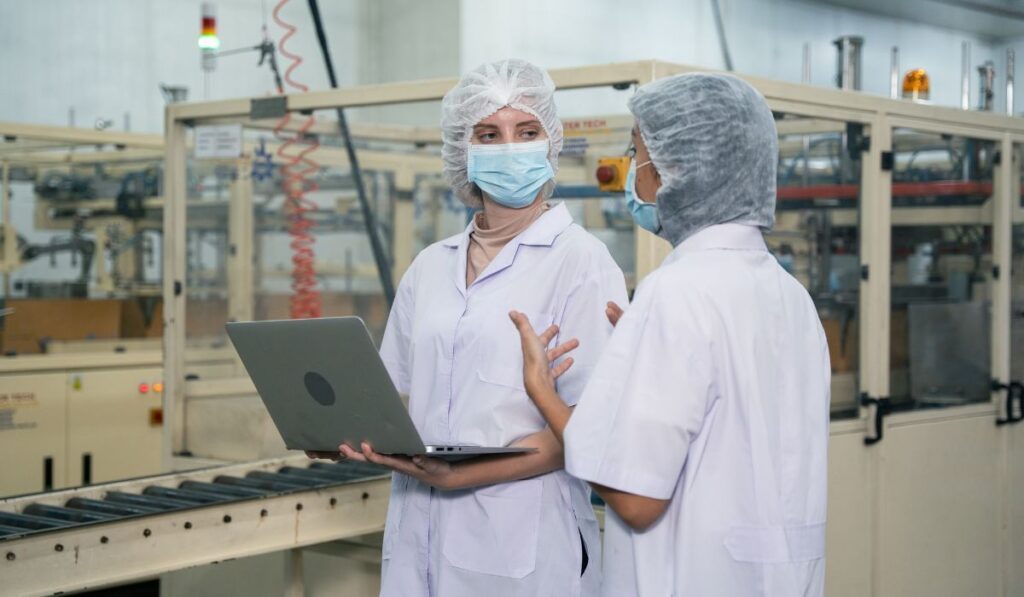
Human activity is the largest contamination source. To minimize particle entry:
-
Air showers remove particles from personnel and equipment
-
Gowning protocols require layered PPE
-
Sticky mats capture particles from footwear
-
SAS (pass-through chambers) streamline equipment transfer
These systems reduce airborne contamination loads significantly.
4. Monitoring and Validation
Continuous monitoring maintains real-time control of:
-
Particle counts
-
Temperature
-
Humidity
-
Pressure
-
Airflow velocity
Validation activities include:
-
Airflow visualization (smoke tests)
-
Filter integrity testing
-
Recovery rate testing
Routine monitoring ensures the cleanroom operates within required limits at all times.
Energy Efficiency in Cleanroom Design
Cleanrooms are energy-intensive due to high ACH requirements and HVAC operation. Modern facilities incorporate energy-efficient strategies such as:
-
Variable Frequency Drives (VFDs)
-
Energy-efficient HEPA fan filter units
-
Recirculation systems
-
Smart building management systems
These reduce operational costs while maintaining environmental control.
Future Trends in Cleanroom HVAC and Contamination Control
Emerging technologies are making cleanrooms more efficient and intelligent:
-
AI-based predictive HVAC control
-
IoT-enabled sensors for real-time contamination tracking
-
Modular cleanroom systems for faster build times
-
Advanced ULPA filtration for nano-level contamination
These innovations are shaping next-generation cleanroom design.
Conclusion
Effective cleanroom design and build rely heavily on robust HVAC systems, engineered airflow patterns, and comprehensive contamination control strategies. Whether constructing a pharmaceutical, biotech, aerospace, or semiconductor cleanroom, achieving ISO compliance and maintaining operational integrity depends on thoughtful planning and precise engineering.
By integrating advanced filtration technologies, strategic airflow design, zoning measures, and energy-efficient HVAC systems, organizations can create cleanrooms that support high-quality, safe, and compliant operations.