
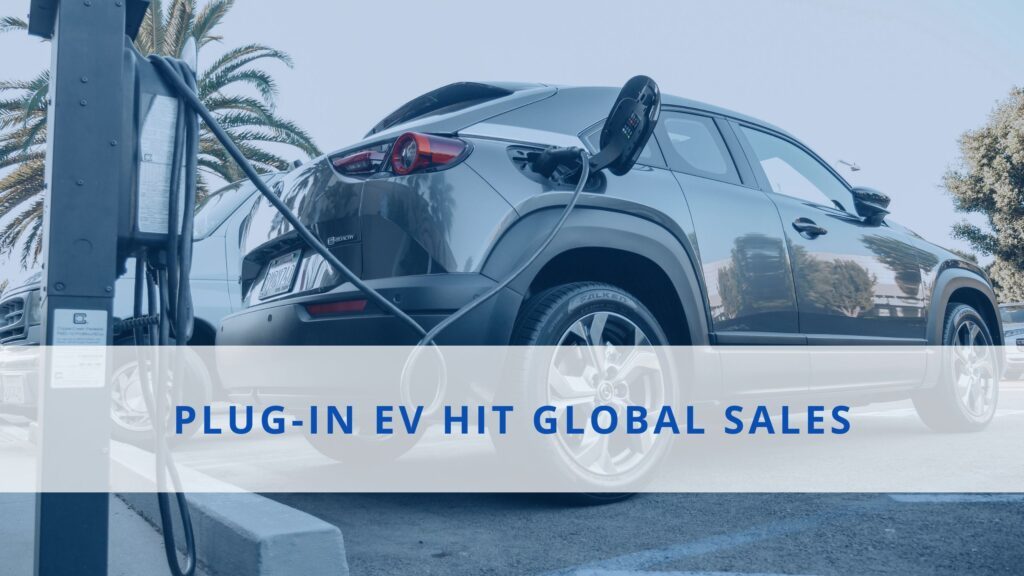
As nations race toward sustainability and lower carbon footprints, the automotive sector stands on the brink of a revolution. Plug-in EVs are rapidly becoming the preferred choice for consumers and governments alike, with experts predicting that these vehicles will make up 25% of all global sales by 2025. This surge represents not just a shift in mobility but a global economic and technological transformation powered by cleaner energy and innovative infrastructure.
Government Policies Accelerating Plug-in EV Adoption
Governments worldwide have implemented strong incentives to make Plug-in EVs more accessible and appealing. Policies include subsidies, tax exemptions, and rebates that reduce the initial cost barrier for consumers. The European Union, for example, has set ambitious emission reduction targets that have forced automakers to prioritize electric vehicles in their lineups. Similarly, the United States has reintroduced EV tax credits and set aggressive goals for electrification under its clean energy initiatives. Meanwhile, China continues to dominate the Plug-in EV market through large-scale investments in manufacturing and consumer incentives, ensuring the global EV supply chain remains robust and efficient.
Global Manufacturers Leading the Charge
The competition among automakers has reached new heights, as traditional companies and EV-focused startups battle for market dominance. Tesla continues to set benchmarks in innovation, but legacy brands like Volkswagen, Hyundai, and General Motors are not far behind. Volkswagen’s commitment to producing millions of Plug-in EVs annually by 2025 underscores the seriousness of this transformation. Chinese manufacturers such as BYD and NIO are also becoming global players, offering affordable and high-performance Plug-in EVs that appeal to a broad audience. This competitive landscape ensures rapid technological advancements, price reductions, and better product diversity for consumers.
The Role of Charging Infrastructure Expansion
Infrastructure remains the backbone of the EV revolution. Countries investing heavily in public charging networks are seeing faster adoption rates of Plug-in EVs. Companies like Shell, BP, and ChargePoint are deploying thousands of fast-charging stations across major highways and cities. Additionally, governments are incentivizing the installation of home and workplace chargers to make EV ownership more convenient. The shift to renewable-powered charging hubs—using solar and wind energy—enhances sustainability while reducing dependence on fossil fuels. This infrastructure development not only supports consumer confidence but also contributes to cleaner, smarter cities.
Battery Innovation and Sustainability Goals
The evolution of battery technology continues to drive the success of Plug-in EVs. Manufacturers are developing batteries with higher energy density, faster charging capabilities, and longer lifespans. Solid-state batteries, in particular, are expected to revolutionize the EV industry by 2025, offering lighter, safer, and more efficient energy storage. Furthermore, the emphasis on recycling and reusing old batteries aligns with global sustainability goals, creating a circular economy that reduces waste. Companies are also exploring local battery production to minimize shipping emissions and geopolitical risks associated with lithium and cobalt supply chains.
Consumer Shift Toward Eco-Friendly Transportation
Modern consumers are increasingly aware of the environmental impact of their choices, and Plug-in EVs offer a tangible solution to reduce carbon emissions. This awareness has led to a cultural transformation where owning an electric car represents not only convenience but also responsibility. The younger generation, in particular, values sustainability and technological sophistication, both of which are central to the Plug-in EV appeal. With improved affordability and better range, consumers now see electric vehicles as practical and desirable alternatives to traditional cars.
Fleet Electrification and Corporate Responsibility
Corporations worldwide are playing a key role in the EV transition by electrifying their vehicle fleets. Companies like Amazon, FedEx, and DHL are investing in thousands of Plug-in EVs to reduce their carbon footprint and operating costs. This trend extends beyond logistics—ride-hailing services such as Uber and Lyft are also committing to electric mobility. These actions demonstrate how corporate responsibility and economic efficiency can coexist, setting an example for others to follow. Fleet electrification not only boosts Plug-in EV sales but also supports secondary industries like battery recycling, maintenance, and energy grid management.
Economic Impact and Job Creation
The rise of Plug-in EVs is not just an environmental win—it’s a massive economic opportunity. The shift toward electric mobility has created millions of jobs in sectors like battery manufacturing, software development, and infrastructure construction. As countries invest in EV technology, new supply chains and research hubs are emerging, strengthening economies and fostering innovation. The EV ecosystem now encompasses everything from raw materials to AI-driven vehicle software, proving that the Plug-in EV boom is a cornerstone of future economic growth.
Challenges and Future Outlook
Despite the progress, several challenges remain before Plug-in EVs fully dominate the global market. Battery production still relies heavily on critical minerals, which raises concerns about sustainability and geopolitics. Charging accessibility in rural areas and developing nations also poses limitations to adoption. However, ongoing technological innovation and global cooperation continue to address these issues. By 2025, as costs decline and performance improves, the global market will witness an unprecedented transformation where Plug-in EVs reshape the transportation landscape forever.
Social and Environmental Benefits
The widespread adoption of Plug-in EVs promises cleaner air, quieter cities, and healthier communities. Reduced tailpipe emissions contribute directly to better public health and lower environmental degradation. Additionally, EVs integrated with smart grids can balance energy loads and support renewable integration, making them part of a broader green ecosystem. The positive ripple effects extend to urban planning, energy management, and climate mitigation efforts, reinforcing the role of Plug-in EVs as a catalyst for sustainable development.
About Us:
At BusinessInfoPro, we empower entrepreneurs, small businesses, and professionals with cutting-edge insights, strategies, and tools to fuel growth. Driven by a passion for clarity and impact, our expert team curates’ actionable content in business development, marketing, operations, and emerging trends. We believe in making complex ideas simple, helping you turn challenges into opportunities. Whether you’re scaling, pivoting, or launching a new, Businessinfopro offers the guidance and resources to navigate today’s dynamic marketplace. Your success is our commitment, because when you thrive, we thrive together.