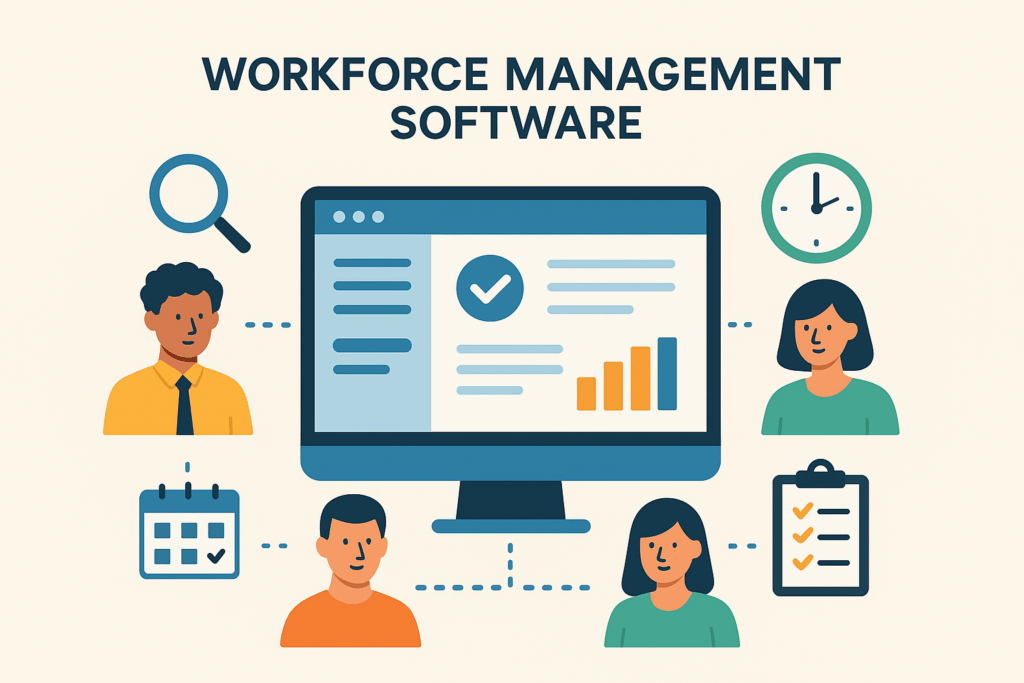
A workforce management system is more than just a tool for tracking time or managing schedules — it’s the backbone of efficient team operations. It connects people, processes, and performance under one platform, ensuring that both managers and employees work in sync. Whether a business operates from one office or across multiple locations, the right features in a workforce management system can make all the difference in productivity, transparency, and employee satisfaction.
Let’s explore the essential features that every workforce management system should include.
1. Smart Time and Attendance Tracking
At the core of any workforce management system lies accurate time and attendance tracking. This feature eliminates the hassle of manual timesheets and ensures every minute of work is recorded precisely. Employees can clock in and out digitally — from desktops, mobile devices, or even biometric systems.
For employers, this means real-time visibility into attendance patterns, shift adherence, and absenteeism. It helps prevent payroll errors and builds a culture of accountability. For employees, it ensures their working hours are recognized and compensated fairly.
2. Efficient Scheduling and Shift Management
Managing employee schedules manually can be stressful, especially for large or hybrid teams. A workforce management system with smart scheduling capabilities allows managers to assign shifts, handle replacements, and balance workloads effortlessly.
The system can even suggest optimal schedules based on employee availability, skill sets, and workload needs. Automated alerts for shift changes or overlaps keep everyone updated and reduce confusion. This leads to smoother operations and happier employees who have better visibility into their work routines.
3. Leave and Absence Management
Leave management can easily become chaotic without proper organization. A reliable workforce management system should provide an automated leave management feature where employees can request time off, and managers can approve or decline requests instantly.
It should also track leave balances, holidays, and compliance with company policies. Automated notifications help prevent understaffing by alerting managers when too many employees are scheduled to be off simultaneously. This level of clarity helps maintain workflow continuity without disrupting productivity.
4. Performance and Productivity Insights
Understanding how employees perform is vital for growth. A workforce management system should offer built-in analytics and performance tracking tools that show how time is spent, which tasks take longer, and where improvements can be made.
Managers can use these insights to identify top performers, allocate resources efficiently, and set realistic goals. Employees benefit too — they can see their progress, understand expectations, and take charge of their own development. This creates a transparent environment where performance is measurable and improvement is ongoing.
5. Integration with Payroll and HR Systems
One of the biggest advantages of a good workforce management system is seamless integration with payroll and HR software. This ensures that all time, attendance, and leave data automatically flow into payroll, reducing errors and saving time.
Employees get accurate, timely payments, and HR teams no longer need to juggle multiple spreadsheets. Integration also helps in maintaining compliance with local labor laws, simplifying audits and reporting.
6. Mobile Accessibility
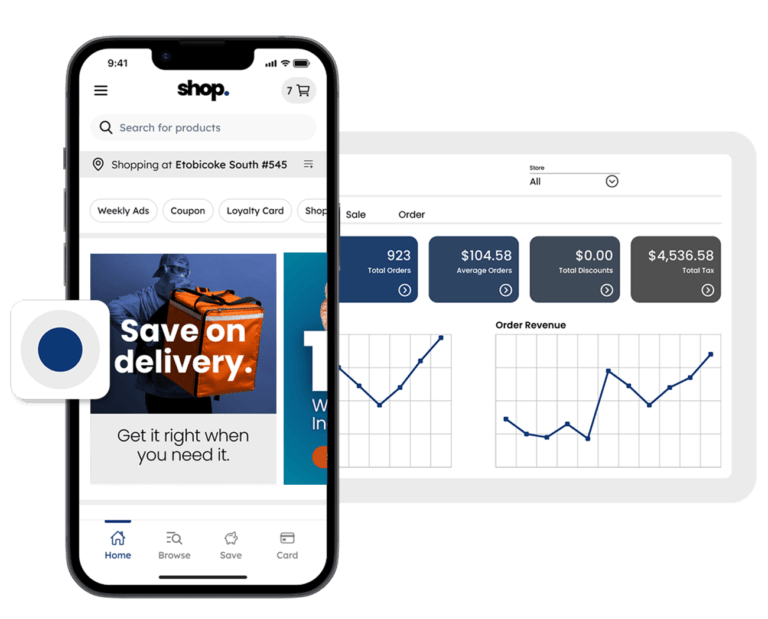
Work isn’t confined to office desks anymore. That’s why mobile access is a must-have feature in any modern workforce management system. A mobile-friendly platform lets employees check schedules, track time, request leaves, or receive updates right from their phones.
Managers can also monitor operations and approve requests on the go. This flexibility makes it easier for teams to stay connected and productive, no matter where they are working from.
7. Data Security and Compliance
Since workforce management systems handle sensitive employee data, strong security is non-negotiable. Features like multi-factor authentication, encrypted databases, and regular backups protect data from breaches or loss.
Additionally, a good workforce management system ensures compliance with labor laws and data protection regulations. This not only safeguards the organization but also builds trust among employees who know their information is secure.
8. Reporting and Analytics Dashboard
A clear view of workforce trends helps in better decision-making. Comprehensive reporting tools within a workforce management system allow leaders to analyze attendance trends, productivity scores, and labor costs.
Visual dashboards make complex data easy to interpret, helping businesses identify challenges and opportunities quickly. These insights support long-term planning and continuous improvement.
Conclusion
A powerful workforce management system is not just a digital upgrade — it’s a foundation for smarter workforce planning and happier teams. With features like accurate time tracking, automated scheduling, performance analytics, and mobile access, organizations can streamline operations while empowering employees to work efficiently.