In today’s fast-paced eCommerce world, packaging isn’t just about protection — it’s also about presentation, sustainability, and cost-effectiveness. That’s where honeycomb paper comes into play. It’s eco-friendly, strong, and a perfect alternative to plastic-based packaging materials. But with so many options available, how do you choose the right type of honeycomb paper for your business needs? Let’s dive into this in a simple, easy-to-understand way.
Understanding What Honeycomb Paper Is
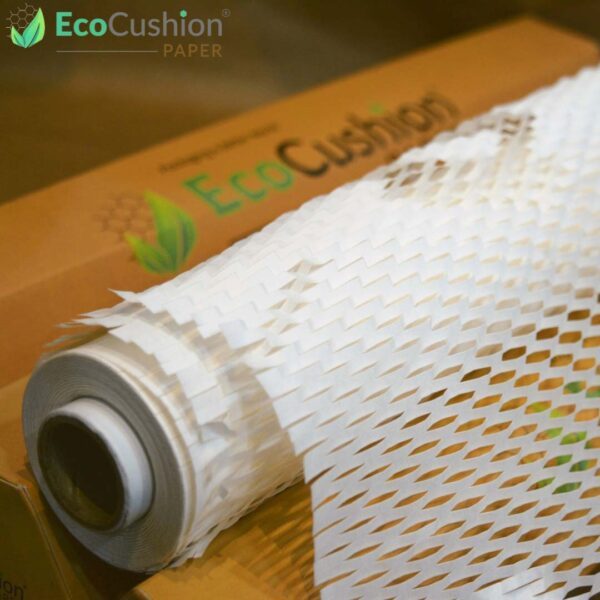
Before choosing the right type, it’s essential to know what honeycomb paper actually is. As the name suggests, it’s a paper material designed in a honeycomb-like structure. This unique pattern gives it excellent flexibility and cushioning properties, making it perfect for wrapping, void filling, and protecting fragile items.
The beauty of honeycomb paper lies in its balance — it’s lightweight yet strong, recyclable yet durable, and cost-effective yet premium-looking. Whether you’re shipping delicate glassware, electronics, cosmetics, or home décor items, honeycomb paper can handle the job efficiently while keeping your packaging eco-friendly.
Why Honeycomb Paper Is Ideal for Businesses
Businesses today are under pressure to reduce plastic waste and adopt sustainable packaging practices. Honeycomb paper solves that problem perfectly. It’s biodegradable, recyclable, and offers the same level of protection as traditional bubble wrap — sometimes even better.
Besides its eco-friendly nature, honeycomb paper also helps businesses save money. Its compact rolls reduce storage space, and its easy-to-tear design saves time in the packing process. Plus, customers love the natural, elegant appearance of paper packaging — it enhances your brand image and makes every unboxing experience memorable.
Factors to Consider When Choosing Honeycomb Paper
Now that you understand its importance, let’s explore how to choose the right honeycomb paper for your business. The ideal type depends on what you’re shipping, how fragile your items are, and the kind of presentation you want to achieve.
1. Product Type and Fragility
If you’re shipping fragile or delicate products like glass bottles, ceramics, or electronics, choose honeycomb paper with thicker cushioning. The expanded paper pattern provides better shock absorption and prevents breakage during transit. For lightweight or non-fragile items, a thinner paper type works perfectly and helps reduce packaging costs.
2. Roll Size and Width
Honeycomb paper comes in various roll sizes and widths. For small to medium-scale businesses, compact rolls are ideal for easy handling and storage. If you’re managing high-volume shipping, go for larger rolls to minimize roll changes and maintain packing efficiency.
3. Paper Strength and GSM (Grams per Square Meter)
The GSM of honeycomb paper determines its thickness and strength. A higher GSM means stronger paper and better protection. For heavy or valuable products, choose honeycomb paper with higher GSM. For lighter items, a mid-range GSM works just fine without adding extra cost.
4. Compatibility with Dispensers
If your business uses a paper dispenser, ensure the honeycomb paper roll fits it perfectly. Dispensers make the packing process faster, neater, and more consistent. Some honeycomb papers are designed to work seamlessly with specific dispensers — a perfect choice for eCommerce businesses focused on efficiency.
5. Aesthetic Appeal
Packaging is the first impression your customer gets. The natural look and feel of honeycomb paper add a premium touch to your brand. You can even customize it with branded stickers, tags, or kraft boxes to enhance the unboxing experience. Remember, good packaging not only protects — it promotes your brand too.
Matching Honeycomb Paper to Your Business Type
Different industries have different packaging demands. Here’s how you can match the right honeycomb paper to your business type:
-
E-Commerce & Retail: Go for standard honeycomb paper rolls for versatility and ease of use. They’re great for wrapping all types of products and protecting them during shipment.
-
Fragile Goods & Home Decor: Choose high-strength, thick honeycomb paper that provides maximum cushioning for delicate items.
-
Cosmetics & Personal Care: Opt for fine-textured paper that looks elegant and complements the brand’s premium image.
-
Food & Organic Products: Use recyclable, food-safe honeycomb paper to keep packaging sustainable and visually appealing.
By matching your packaging material to your business type, you ensure safety, sustainability, and customer satisfaction all at once.
The Environmental Advantage
One of the biggest reasons businesses choose honeycomb paper is its sustainability. Traditional packaging materials like plastic bubble wrap or foam contribute heavily to landfill waste. Honeycomb paper, on the other hand, is made from renewable resources and decomposes naturally without harming the environment.
By adopting eco-friendly packaging, your business not only reduces its environmental footprint but also appeals to modern customers who value sustainability. In today’s market, being green is more than a choice — it’s a responsibility that builds brand trust and loyalty.
Final Thoughts
Choosing the right type of honeycomb paper depends on understanding your products, packaging volume, and brand goals. It’s all about finding the balance between protection, presentation, and sustainability. With the right choice, you can ensure your fragile items reach customers safely while reducing your environmental impact.
As more eCommerce businesses move toward eco-conscious packaging, honeycomb paper continues to stand out as a reliable, cost-effective, and sustainable solution. Whether you’re a small business or a growing online brand, making the switch to honeycomb paper is a smart move — for your business, your customers, and the planet.
So, next time you’re planning your packaging strategy, consider honeycomb paper — a small change that can make a big difference!