Outdoor spaces are often the first impression of any home. A well-designed lawn, garden, or patio can transform not only how your home looks but also how it feels to live there. Landscape renovation is more than just replacing old plants; it’s about creating a balanced, functional, and inviting environment. Whether you want to increase curb appeal, add relaxation zones, or make your yard easier to maintain, thoughtful renovation can bring long-term benefits.
Assessing Your Current Landscape
Before diving into major changes, it’s important to step back and evaluate your existing space. Ask yourself questions like:
- Are there areas that feel underused?
- Do certain parts of the yard have drainage problems?
- Which plants thrive and which struggle?
By identifying strengths and weaknesses, you’ll have a clearer vision of where to focus your landscape renovation efforts. This assessment also helps avoid unnecessary spending by working with what you already have.
Creating a Functional Design Plan
Every renovation should start with a plan. A smart design balances aesthetics with practicality. Consider these elements when planning:
- Zoning – Divide your yard into spaces for entertainment, play, gardening, or relaxation.
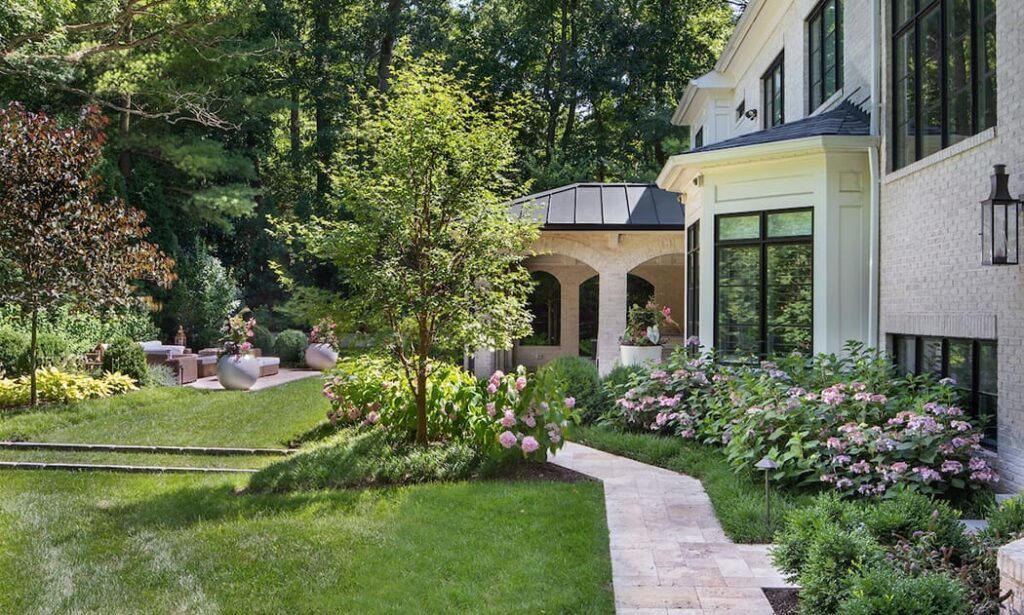
- Traffic Flow – Use pathways, pavers, or stepping stones to guide movement.
- Lighting – Outdoor lighting not only highlights features but also improves safety.
- Seasonal Interest – Choose a mix of plants that bloom or change throughout the year.
A functional plan ensures your yard isn’t just beautiful, it’s enjoyable and easy to use.
Sustainable Choices for Long-Term Results
Modern homeowners are increasingly embracing eco-friendly upgrades. Smart landscape renovation often includes sustainable practices that save time, money, and resources. Examples include:
- Native Plants – These require less water and care while supporting local wildlife.
- Drip Irrigation – More efficient than sprinklers, it conserves water.
- Composting – Recycles yard and kitchen waste into natural fertilizer.
- Rain Gardens – Collect and filter rainwater, reducing drainage issues.
These green solutions lower maintenance costs and help your landscape thrive naturally.
Adding Hardscaping Features for Style and Structure
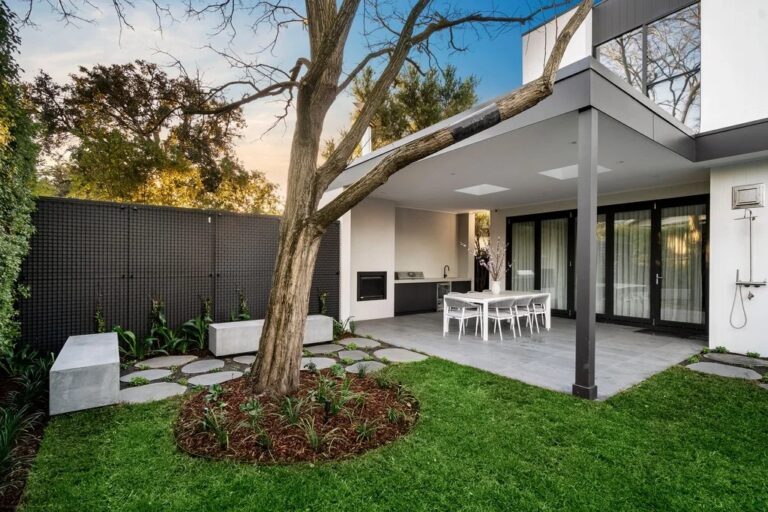
A well-balanced landscape includes more than plants. Hardscaping features such as patios, retaining walls, fire pits, or pergolas provide structure and create welcoming areas. Some homeowners opt for outdoor kitchens or water features, turning their yard into a multifunctional living space.
Hardscaping not only elevates design but also makes outdoor areas more usable throughout the year. With durable materials and clever layouts, these features can become long-lasting focal points.
Enhancing Planting Beds for Visual Impact
Plants remain at the heart of any renovation. Updating planting beds can refresh the entire look of your yard. Consider layering plants of different heights for depth and using color schemes that complement your home’s exterior. Adding perennials ensures beauty that returns year after year, while annuals provide seasonal pops of color.
Don’t forget the power of shrubs and trees for privacy, shade, and structure. With the right mix, your planting beds will feel vibrant and balanced.
Outdoor Living: Extending Comfort Beyond Walls
One of the smartest trends in landscape renovation is creating outdoor living spaces. These areas extend the comfort of your home into the open air. Popular ideas include:
- Dining patios with weatherproof furniture
- Lounge zones with fire pits or heaters for cooler evenings
- Shaded retreats with pergolas or gazebos
- Play spaces for children or pets
Designing these zones adds function and comfort, making your outdoor area a true extension of your lifestyle.
The Role of Professional Help
While DIY landscaping projects are popular, certain tasks benefit from professional expertise. Landscape architects and contractors can provide creative ideas, technical skills, and efficient execution. They are especially helpful for complex installations like drainage systems, stonework, or large-scale planting. Hiring a professional ensures your vision is not only realized but also sustainable.
Long-Term Benefits of a Smart Renovation
Investing in landscape renovation offers rewards that go beyond aesthetics:
- Increased property value
- Better functionality of outdoor spaces
- Lower maintenance costs over time
- A healthier environment for plants, wildlife, and people
When thoughtfully planned, your renovated landscape will serve as a welcoming and enjoyable retreat for years to come.
Frequently Asked Questions
- How often should I update my landscape design?
A full renovation is usually needed every 10–15 years, but smaller updates such as replanting beds or refreshing hardscape areas can be done every few years. - Is landscape renovation expensive?
Costs vary depending on size and features. Simple updates like reseeding grass are budget-friendly, while adding patios, lighting, or water features requires more investment. - Can I renovate my landscape in stages?
Yes. Many homeowners choose a phased approach, starting with planting, then adding hardscaping or lighting later. This allows you to spread out costs and effort.