Short Answer
Dyspraxia affects coordination and motor skills, making everyday activities challenging for both kids and adults. Using specialised tools and toys can help improve fine and gross motor skills, build confidence, and encourage independence.
Understanding Dyspraxia and Motor Skills
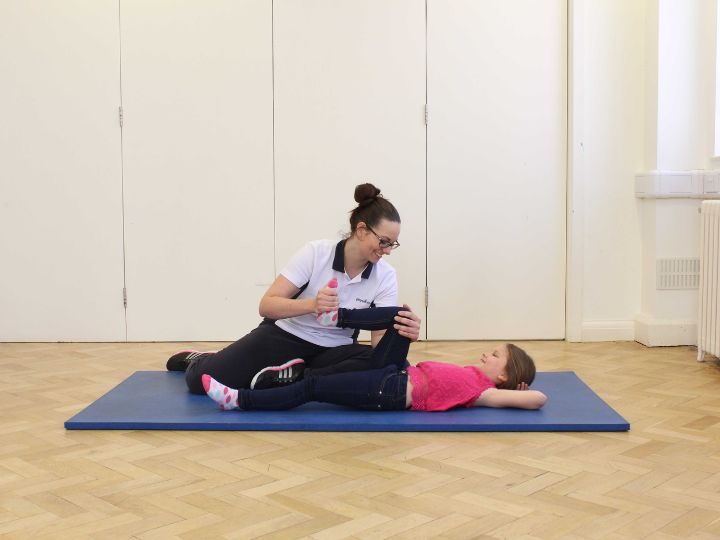
Dyspraxia is a neurological condition that impacts a child’s ability to plan and execute coordinated movements. It often affects fine motor skills, such as writing or buttoning clothes, and gross motor skills, like running or jumping. Early intervention and the use of supportive tools can help children develop these skills more effectively. While dyspraxia in adults presents different challenges, the foundation of motor skill support begins in childhood.
1. Therapy Balls and Balance Discs
Therapy balls and balance discs are excellent for improving core strength and balance. By sitting on a therapy ball or standing on a balance disc, children engage their stabilising muscles, which can improve posture and overall coordination. These tools also encourage fun, interactive exercises that enhance motor planning.
2. Playdough and Modelling Clay
Manipulating playdough or modelling clay strengthens hand muscles and improves fine motor control. Rolling, pinching, and shaping clay can help dyspraxic kids enhance their dexterity, grip strength, and hand-eye coordination. It’s also a creative activity that encourages imaginative play.
3. Pegboards and Bead Mazes
Activities involving pegboards or bead mazes promote precise hand movements and bilateral coordination. Children learn to use both hands together while following patterns or sequences, which is crucial for skills like writing and tying shoelaces. These toys also support cognitive development by teaching problem-solving and sequencing.
4. Scooters and Ride-On Toys
Scooters, tricycles, and other ride-on toys help improve gross motor skills, balance, and spatial awareness. As children push, steer, and navigate, they strengthen leg muscles and practice coordination. Outdoor play with these toys also encourages confidence and social interaction.
5. Stacking and Building Blocks
Building with blocks or stacking toys supports hand-eye coordination and fine motor control. By carefully placing blocks and balancing structures, children develop precision and planning skills. These activities also enhance patience, focus, and cognitive reasoning.
6. Fine Motor Skill Kits
There are specially designed fine motor skill kits that include activities such as lacing, threading, and snap-fastening. These kits are particularly beneficial for dyspraxic kids as they target finger dexterity and bilateral hand use, which are often challenging areas.
7. Jump Ropes and Hula Hoops
Jump ropes and hula hoops improve rhythm, timing, and bilateral coordination. Jumping rope encourages leg strength, endurance, and balance, while hula hooping develops core stability and motor planning. These activities can also be adapted for home or school-based exercises.
8. Sensory Toys and Weighted Equipment
Weighted toys, sensory balls, and textured objects help children with dyspraxia develop tactile awareness and proprioception (the sense of body position). Sensory-rich experiences improve motor planning and control, which can make everyday tasks more manageable.
Incorporating Tools and Toys into Daily Life
Consistency is key when using these tools. Professionals often recommend integrating motor skill activities into daily routines, such as morning exercises or play sessions. Encouraging children to try different toys helps identify what works best for them while making learning enjoyable. Additionally, online resources can guide parents and carers in using these tools effectively.
Final Thought
Supporting motor development in dyspraxic kids through specialised tools and toys can create lasting benefits, enhancing independence and confidence. While early intervention is ideal, even adults with dyspraxia can experience improvements with targeted activities and practice. Investing in these supportive tools can make everyday tasks easier, helping both children and adults thrive in their daily lives.