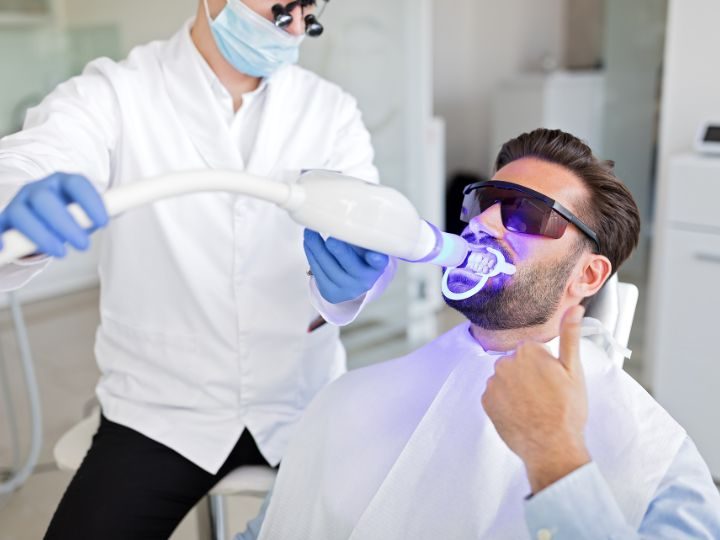
Teeth whitening has become a popular cosmetic dental treatment in Australia, helping people achieve brighter, more confident smiles. Whether you’re preparing for a special event or simply want to refresh your appearance, professional teeth whitening can deliver impressive results in just one session. However, the journey to whiter teeth doesn’t end once the treatment is complete. To preserve your sparkling smile, it’s important to know how long after whitening you should avoid staining foods — and why.
Why Are Teeth More Vulnerable After Whitening?
After a professional teeth whitening treatment, your teeth are more porous than usual. The whitening agents used (typically hydrogen peroxide or carbamide peroxide) work by opening the pores in your enamel to remove deep-set stains. While this makes your teeth look significantly whiter, it also makes them more susceptible to new stains — at least temporarily.
This vulnerable period can last anywhere from 24 to 72 hours, depending on the individual and the type of whitening treatment used. During this time, your enamel is more absorbent, which means it can easily pick up colours from foods and beverages that are deeply pigmented.
Staining Foods and Drinks to Avoid
The general rule is to steer clear of anything that would stain a white shirt. If it could leave a mark on fabric, it can likely stain your freshly whitened teeth.
Common staining culprits include:
- Coffee and tea (especially black or green tea)
- Red wine
- Soft drinks and sports drinks with strong colouring
- Tomato-based sauces
- Soy sauce and balsamic vinegar
- Beetroot
- Curries and turmeric-heavy dishes
- Blueberries, cherries, and dark berries
- Chocolate
Smoking or using tobacco products should also be avoided, as nicotine is a major contributor to tooth discolouration.
How Long Should You Avoid Staining Foods?
It is generally recommended to avoid staining foods and beverages for at least 48 hours after professional teeth whitening. Some dental professionals suggest extending this period to up to 72 hours, especially if you’ve had an intensive treatment or have naturally porous enamel.
The first 24 hours are the most critical, as this is when your teeth are most vulnerable. Even after this window, it’s best to be cautious and try to limit exposure to strongly pigmented foods and drinks for the next few days.
If you must consume any staining liquids (like coffee), consider drinking them through a straw to reduce contact with your front teeth. Rinsing your mouth with water immediately afterward can also help minimise potential staining.
What Can You Eat After Whitening?
To avoid undoing your whitening results, dentists often recommend sticking to the “white diet” for the first couple of days. This includes foods and drinks that are light in colour and low in acidity.
Safe foods include:
- White rice and pasta
- Chicken and turkey (no marinades or sauces)
- Eggs
- Cauliflower and potatoes (without butter or spices)
- Bananas and apples (peeled)
- Yoghurt and milk
- Cottage cheese
Not only are these options safe for your freshly whitened teeth, but they also support overall oral health and reduce the risk of sensitivity.
Benefits of Professional Teeth Whitening
While over-the-counter products can offer some level of whitening, professional teeth whitening provided by a qualified dentist yields more consistent and longer-lasting results. The process is tailored to your individual needs and often uses higher-strength whitening agents than those available at home. Professional treatments also include protective measures to reduce gum irritation and tooth sensitivity.
Another benefit is speed. In-office treatments can make your teeth several shades whiter in just one session, with results that can last months with proper care.
What Is the Professional Teeth Whitening Cost in Australia?
The professional teeth whitening cost in Australia can vary based on the dental clinic, location, and type of treatment used. On average, you can expect to pay between $300 to $800 for an in-chair treatment. Some clinics offer take-home kits under supervision for a slightly lower cost, ranging from $200 to $500.
Although this may seem like a significant investment, many people find the boost in confidence and appearance well worth the expense — especially when compared to ongoing purchases of less effective over-the-counter options.
Tips to Maintain Your Whitened Smile
To extend the results of your whitening treatment, consider the following:
- Brush and floss regularly, at least twice a day
- Avoid smoking or vaping
- Use a whitening toothpaste (recommended by your dentist)
- Visit your dentist for regular cleanings and touch-ups
- Drink plenty of water, especially after meals or consuming dark-coloured drinks
- Use a straw when drinking staining beverages
Summary
Achieving a whiter, brighter smile with professional teeth whitening is a fantastic way to enhance your appearance and boost your confidence. However, to maintain those brilliant results, it’s essential to avoid staining foods and beverages — especially in the first 48 to 72 hours after treatment. By following a white diet and practising good oral hygiene, you can protect your teeth during their most vulnerable stage and enjoy your whiter smile for longer. Given the benefits and long-term results, many Australians find that the professional teeth whitening cost is a worthwhile investment in their personal and professional lives. So, if you’re considering whitening your teeth or have just had a treatment done, be mindful of what goes on your plate — your smile will thank you for it.